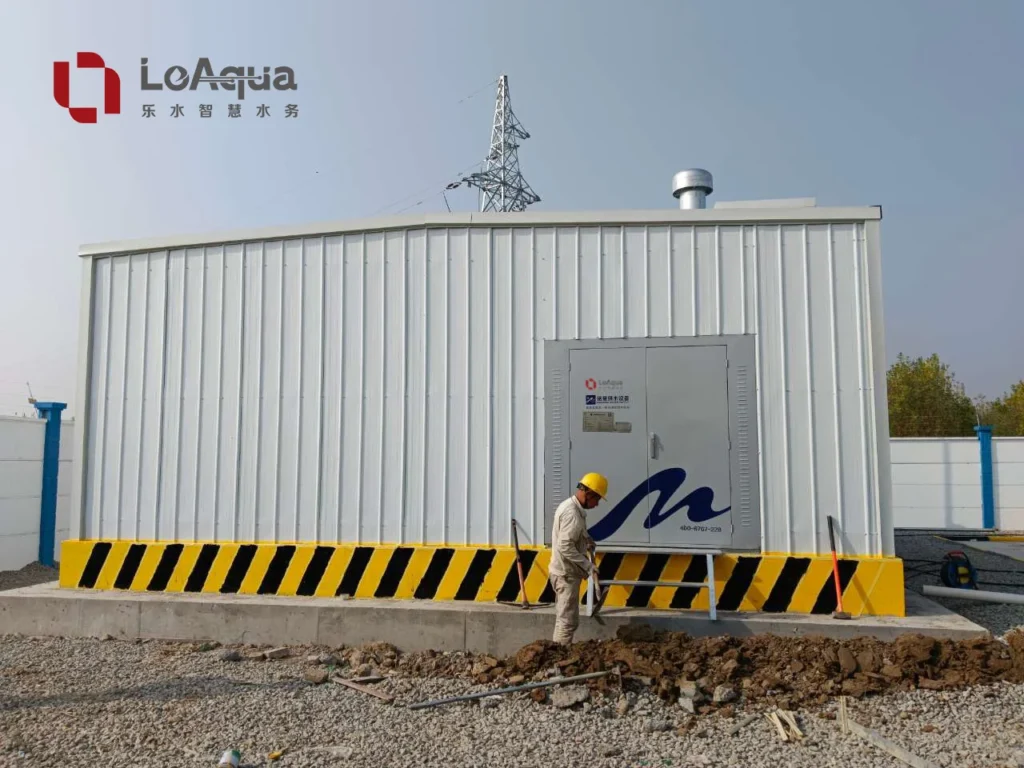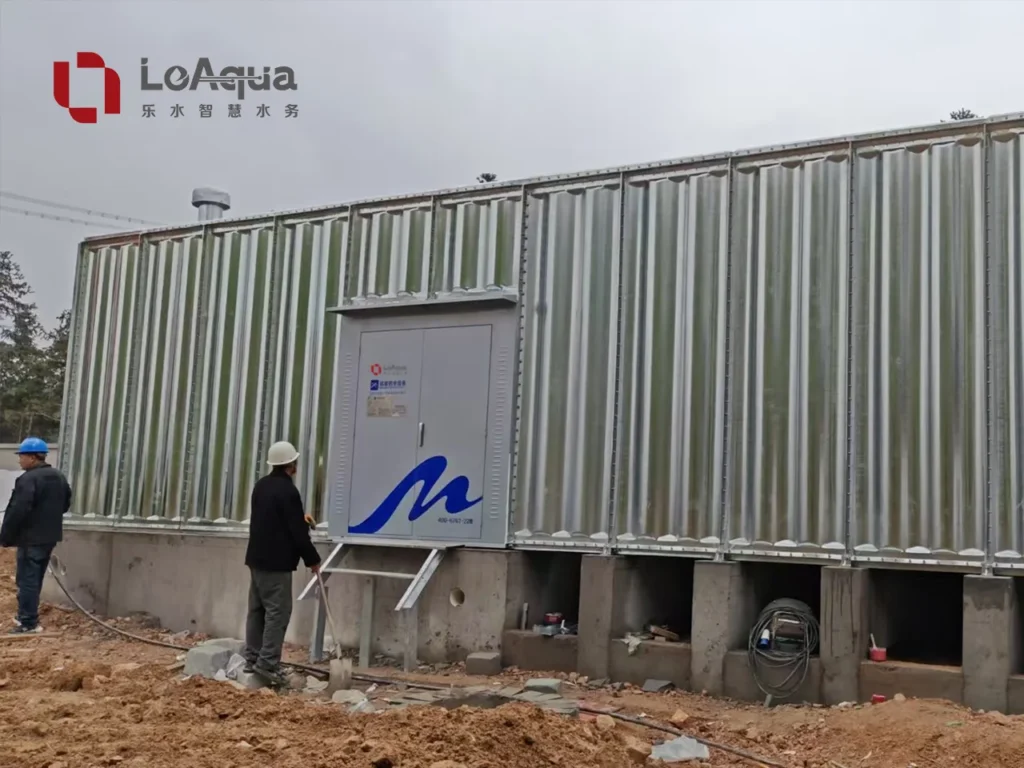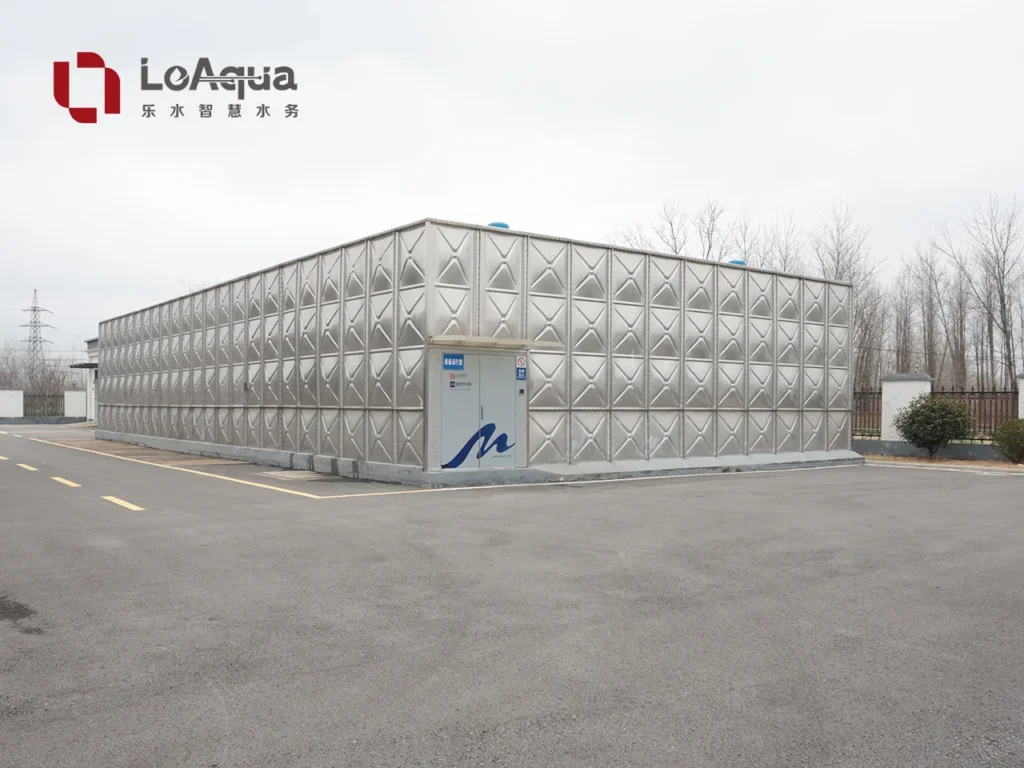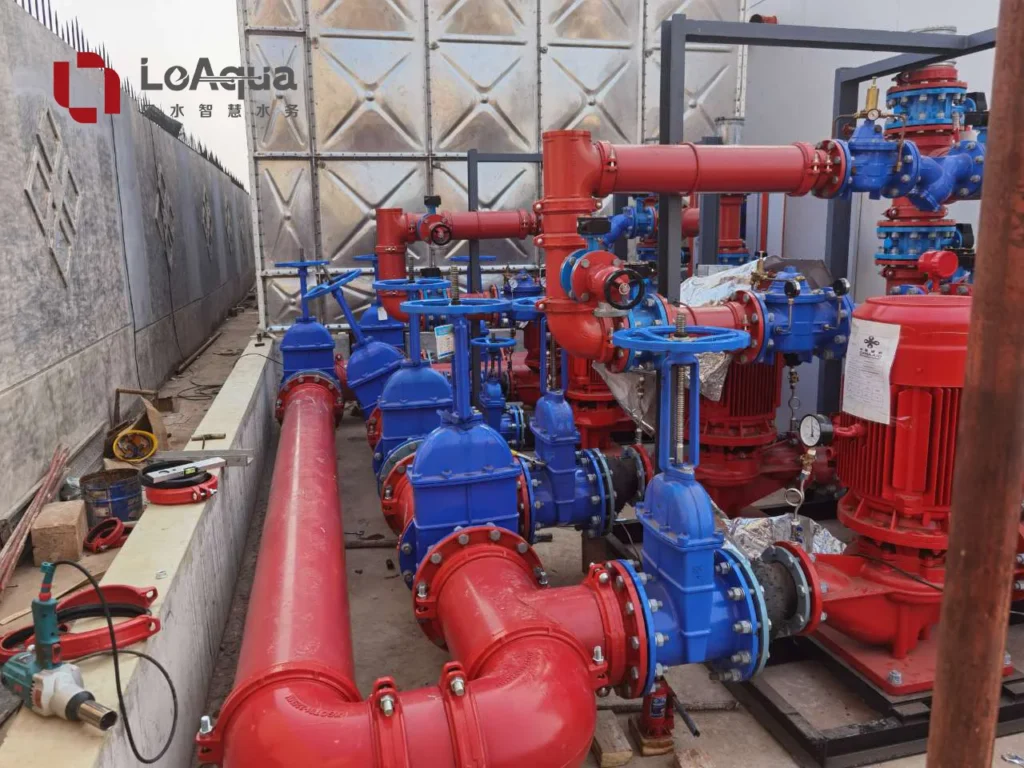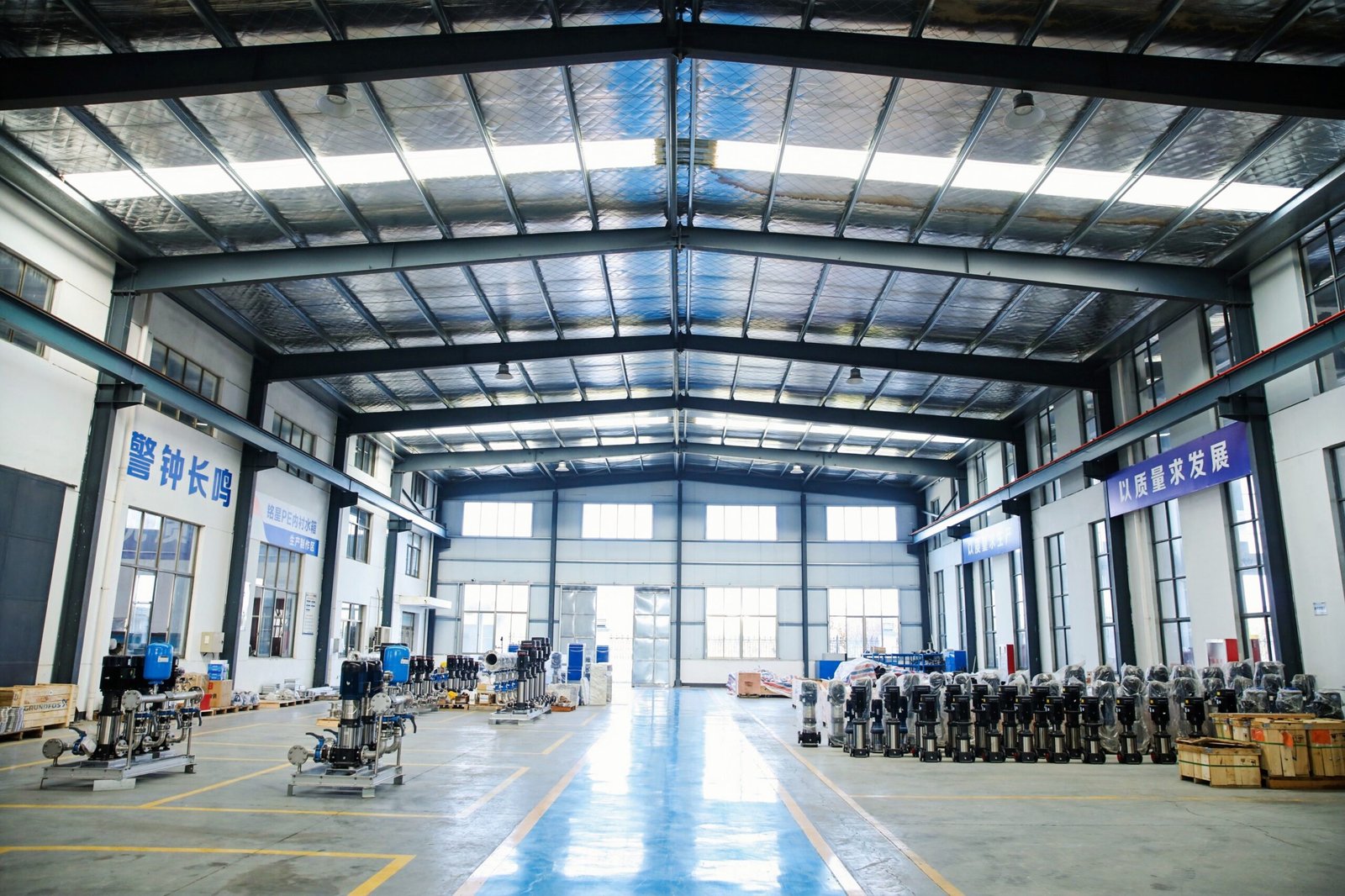
Choosing a water storage system is not only about selecting a tank with sufficient capacity.
For commercial buildings, municipal infrastructure, industrial facilities, and fire protection projects, long-term operational reliability often matters more than the initial purchase cost.
Modern infrastructure projects increasingly focus on:
-
Long-term maintenance costs
-
Structural durability
-
Corrosion resistance
-
Installation efficiency
-
Future expansion flexibility
Because of these requirements, modular composite water tanks are becoming a more widely adopted solution for long-term infrastructure applications.
LeAqua composite water tank systems are designed to improve operational reliability while supporting modern modular infrastructure requirements.
Why Long-Term Performance Matters More Than Initial Cost
Many traditional water storage systems may appear cost-effective during the initial construction stage.
However, long-term operational issues may gradually increase total project costs through:
-
Maintenance interruptions
-
Corrosion repairs
-
Leakage problems
-
Structural aging
-
Difficult cleaning procedures
For projects designed to operate continuously for decades, lifecycle performance becomes one of the most important selection factors.
Modern composite water tanks increasingly focus on reducing long-term operational risks rather than only lowering initial installation cost.
Corrosion Resistance Is One of the Most Important Factors
Water storage systems often operate in environments exposed to:
-
Humidity
-
Temperature variation
-
Chemical exposure
-
Underground moisture
-
Coastal air conditions
Poor corrosion protection may eventually affect both structural safety and water quality.
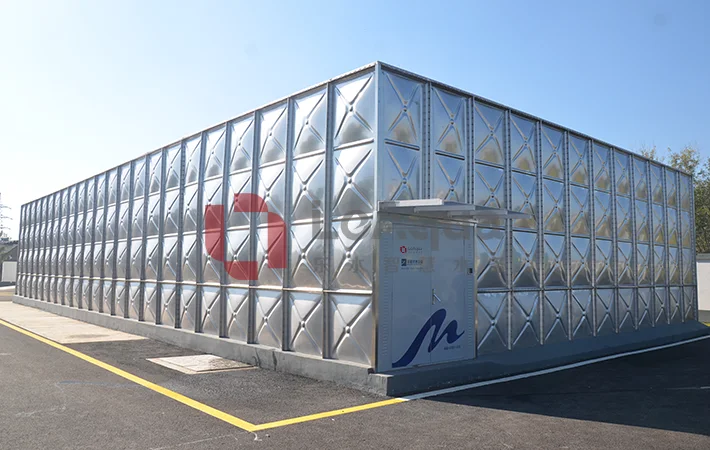
LeAqua composite water tank systems combine modular engineering with anti-corrosion structural design to improve long-term durability.
Modern systems may include:
-
Stainless steel water-contact surfaces
-
Galvanized structural supports
-
Protective coating systems
-
Reduced welding structures
This integrated engineering approach helps improve long-term reliability for demanding infrastructure projects.
Why Modular Structures Improve Future Flexibility
Many infrastructure projects eventually require:
-
Capacity expansion
-
Equipment upgrades
-
System relocation
-
Future maintenance access
Traditional concrete reservoirs and welded tanks often create limitations during future modifications.
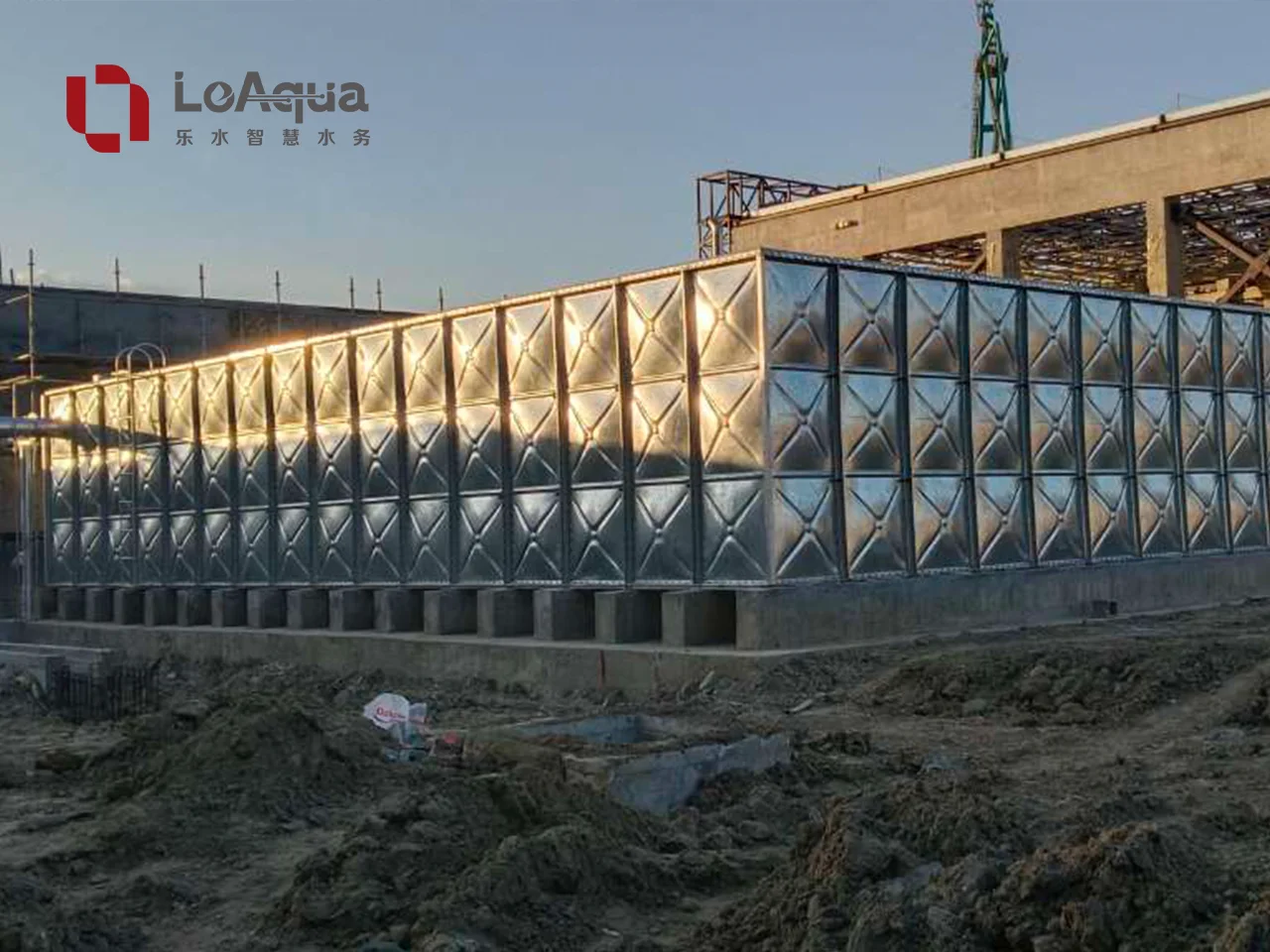
Modular composite water tanks provide better adaptability because prefabricated panel systems simplify future expansion and structural adjustments.
LeAqua modular composite water tanks are designed to support long-term infrastructure flexibility for commercial and municipal applications.
Maintenance Accessibility Affects Long-Term Operating Costs
Maintenance efficiency directly affects the operational cost of water storage systems.
Complicated internal structures may create:
-
Cleaning difficulties
-
Inspection blind areas
-
Sediment accumulation
-
Longer maintenance downtime
Modern composite water tanks increasingly adopt simplified structural layouts that improve accessibility and reduce maintenance complexity.
For long-term infrastructure projects, easier maintenance often leads to better operational stability and lower total ownership costs.
Why Structural Engineering Matters
Tank lifespan depends not only on material quality but also on structural engineering.
Factors such as:
-
Panel geometry
-
Load distribution
-
Structural rigidity
-
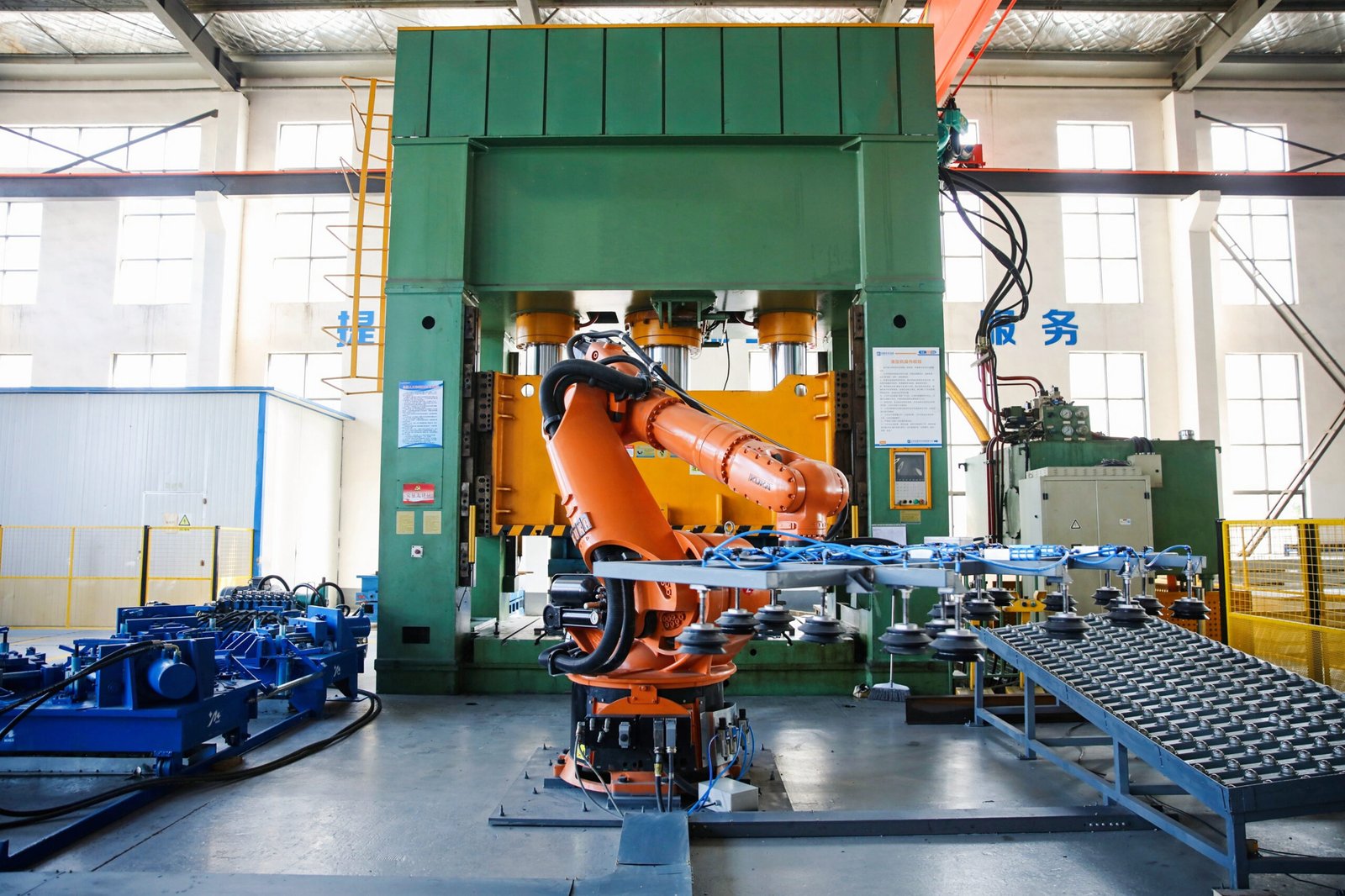
Manufacturing precision
all affect long-term operational reliability.
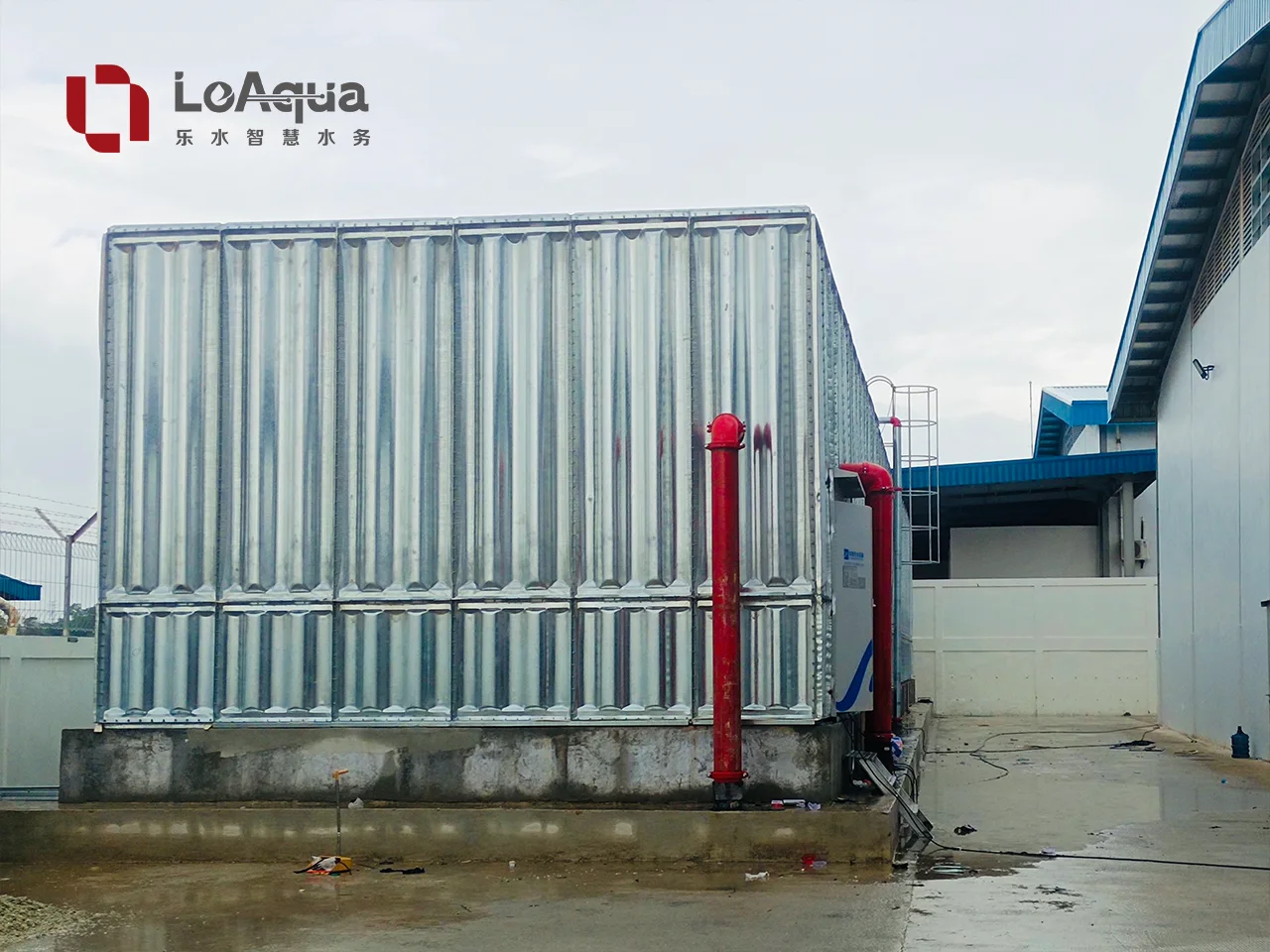
Modern reinforced modular panel structures improve deformation resistance and structural stability under continuous water pressure.
Advanced corrugated structural geometry can also improve stress distribution across the tank body.
LeAqua composite water tank systems are engineered to improve structural durability for modern infrastructure applications.
Intelligent Monitoring Supports Long-Term Operation
Modern infrastructure projects increasingly require intelligent operational management.
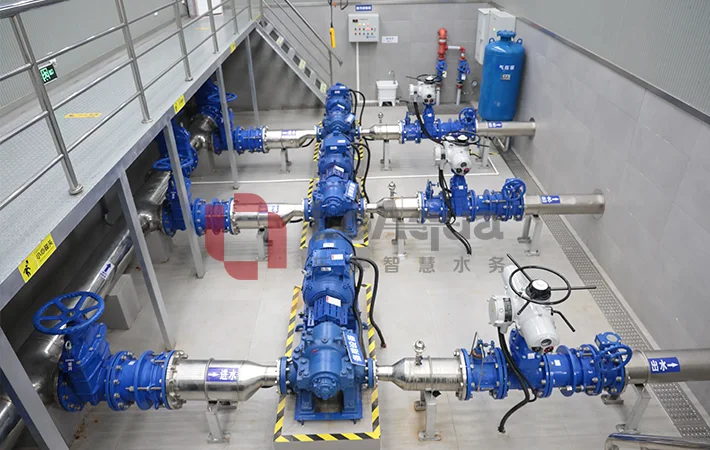
LeAqua composite water tank systems may support:
-
Water level monitoring
-
Pressure monitoring
-
Remote alarm systems
-
Intelligent pump integration
-
Real-time operational management
These intelligent features help reduce operational risks and improve maintenance efficiency over time.
Conclusion
Choosing the right composite water tank requires evaluating more than initial construction cost.
Long-term durability, corrosion resistance, maintenance efficiency, structural engineering quality, and future flexibility all affect the total operational value of a water storage system.
LeAqua composite water tank systems are designed to support modern commercial, municipal, industrial, and fire protection projects with modular water storage solutions optimized for long-term reliability and operational efficiency.