A high-pressure water mist system needs more than a pump and a nozzle network. Its water supply must provide suitable water quality, usable storage, reliable filtration, stable pressure, coordinated pump operation and clear monitoring. If any one of these interfaces is treated as an afterthought, the system may become difficult to approve, maintain or troubleshoot.
This guide explains the main water supply decisions for engineers, fire protection contractors and project buyers. It focuses on the tank, filters, make-up pump, pressure stabilization pump, high-pressure main pump and control interfaces. The values quoted from LeAqua and Jiangsu Mingxing product materials are reference values, not universal design rules for every hazard or project.
For a product overview, see the High Pressure Water Mist System. For tank material and installation decisions, the Water Tank Selection Guide should be used together with the project water data and fire engineering basis.
What Water Supply Does a High-Pressure Water Mist System Need?
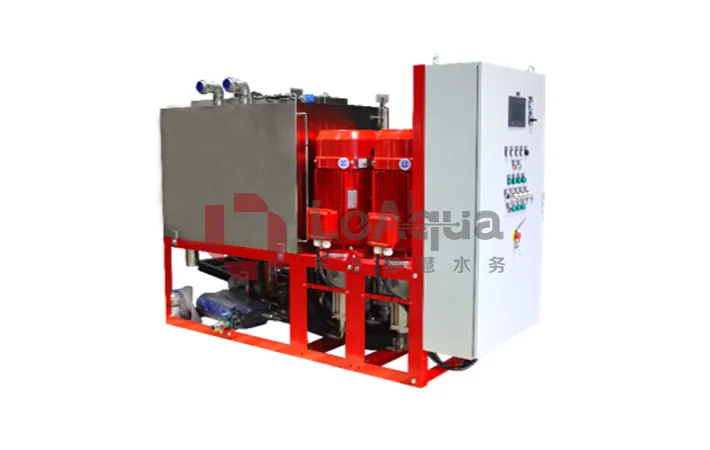
A typical high-pressure water mist water supply includes a water source or storage tank, water filtration, a make-up water pump, a pressure stabilization pump, one or more high-pressure main pumps, zonal control valves, water mist nozzles, sensors and a control system. The exact arrangement depends on the protected hazard, system type, number of zones, discharge duration, approval basis and project utility conditions.
- A clean water source that is compatible with the system design and project requirements
- A tank or other approved storage arrangement sized from the design demand, not from pump nameplate flow alone
- Filtration that protects pump components, valves, pipework and nozzle passages
- Pumps that maintain the required pressure and flow for the design operating condition
- Level, pressure and alarm monitoring with defined normal, fault and emergency states
- Inspection and maintenance access for filters, sensors, valves, pumps and the tank
Open systems, closed wet systems and closed pre-action systems do not necessarily use the same control sequence or water storage logic. The system type should therefore be confirmed before the tank and pump package is finalized.
Why Water Quality and Filtration Matter
Water mist nozzles are designed to produce fine droplets through small flow passages. Suspended solids, rust, scale or debris can restrict a filter or nozzle and change the intended discharge pattern. The Mingxing English operation manual describes clean water that meets the relevant project requirements as the extinguishing medium and identifies filter condition as part of normal inspection.
This does not mean that every project can use any water described as clean. The engineering team should confirm the source, water analysis, temperature, storage condition, treatment method and any restrictions on additives. Potable-water quality, fire-water suitability and compatibility with a specific nozzle or pump package are related questions, but they are not automatically the same approval.
| Water supply input | Why it should be confirmed |
| Water source | Municipal, dedicated tank, process source or another approved source may create different reliability and treatment conditions. |
| Water analysis | pH, suspended solids, hardness, chloride and other project-specific data can affect material and filtration decisions. |
| Temperature and climate | Freezing, high ambient temperature and outdoor exposure can change storage, drainage and protection requirements. |
| Treatment or additives | Any chemical treatment should be accepted by the system designer and equipment manufacturer before use. |
| Storage cleanliness | The tank, pipework and commissioning process should prevent debris from reaching filters and nozzles. |
How Filtration Protects the Water Mist System
Filtration should be planned as a system function rather than added as a single accessory at the pump inlet. A project may need a precision filter in the water supply assembly and additional filtration at the nozzle. The location, filtration rating, flow capacity, differential-pressure monitoring, isolation arrangement and cleaning method should follow the selected system design.
The LeAqua/Mingxing design material states that the nozzles include an internal filter and that the maximum filter mesh opening is 35% of the smallest waterway opening in the nozzle. This is a product design value from the supplied material; it should not be copied as a universal filter selection rule for other manufacturers or models.
- Confirm the filter position and access before finalizing the pipework layout.
- Confirm the required filtration rating and flow capacity against the selected nozzle and pump data.
- Provide a practical way to isolate, inspect and clean the filter without creating an uncontrolled impairment.
- Define how filter clogging or high differential pressure will be detected and recorded.
- Keep replacement elements and cleaning instructions in the maintenance documentation.
A finer filter is not automatically a better filter if it restricts flow, increases pressure loss or cannot be maintained. The correct selection balances nozzle protection, hydraulic performance, cleanability and the approved system design.
The Role of the Water Storage Tank
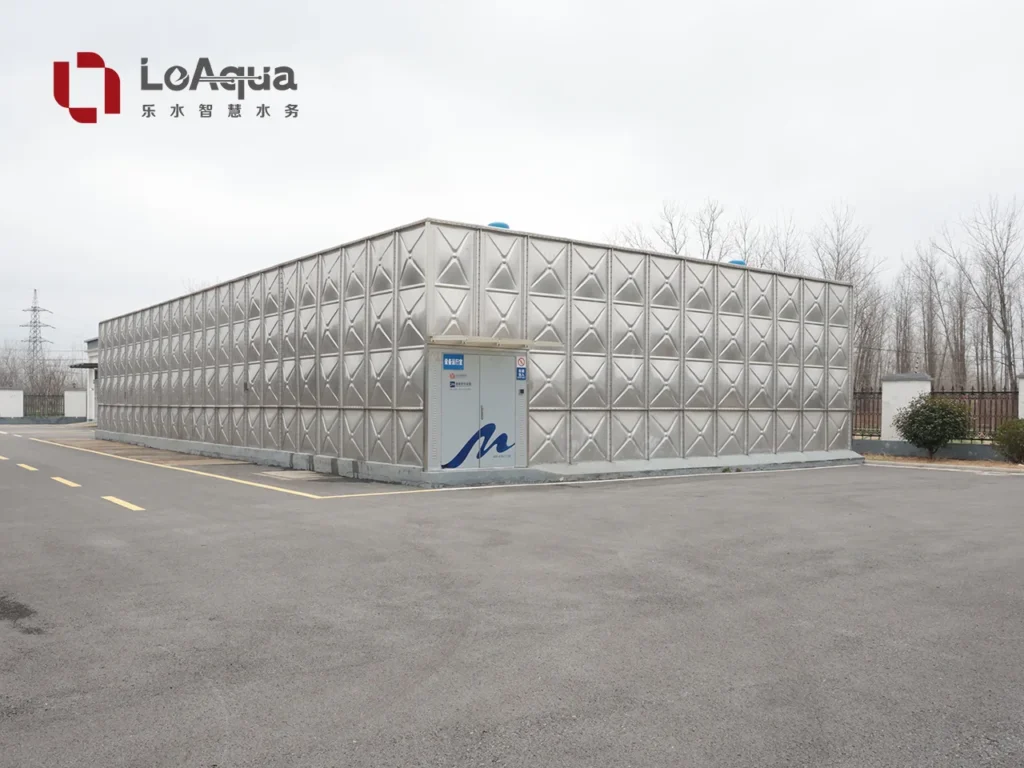
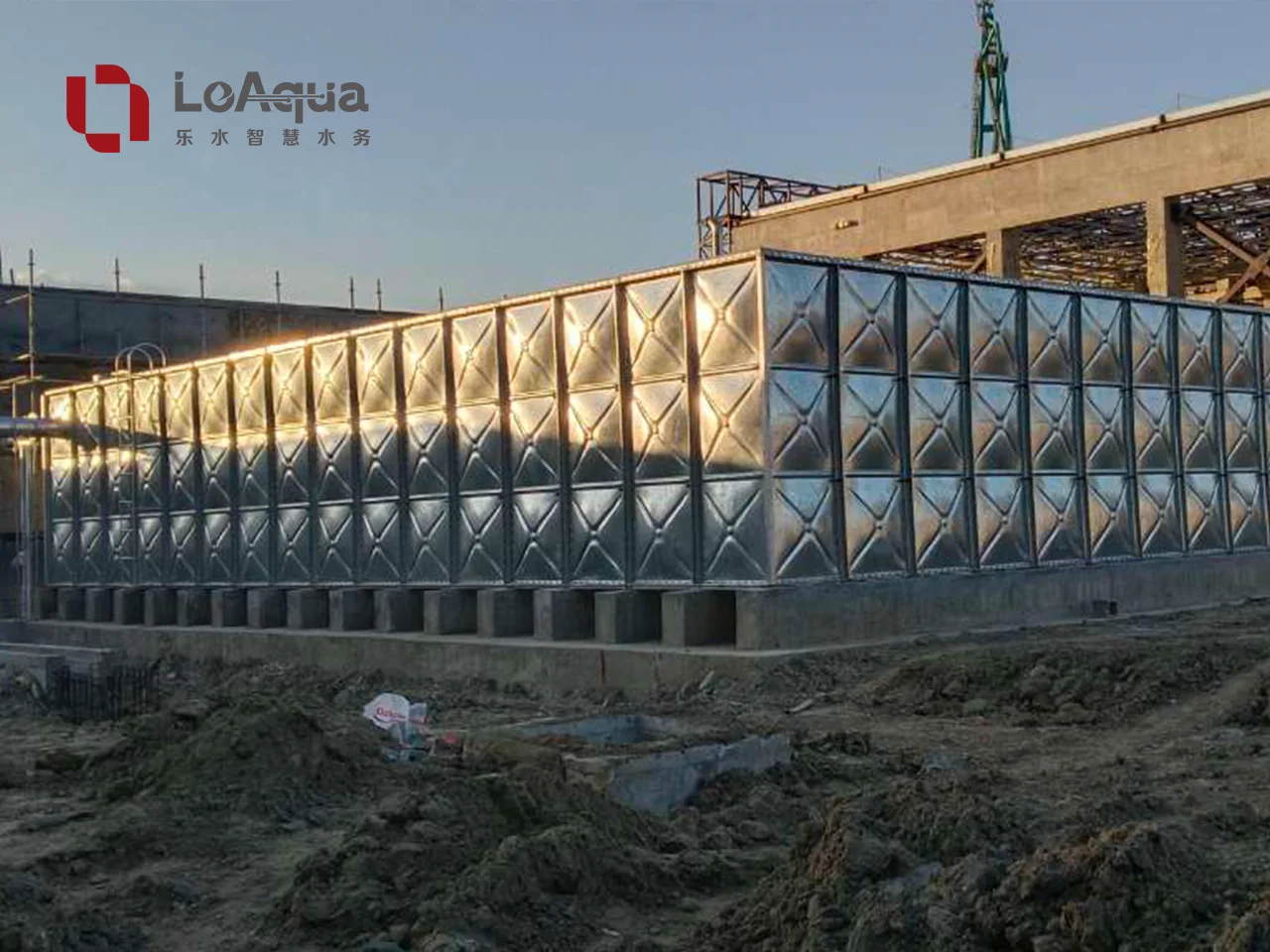
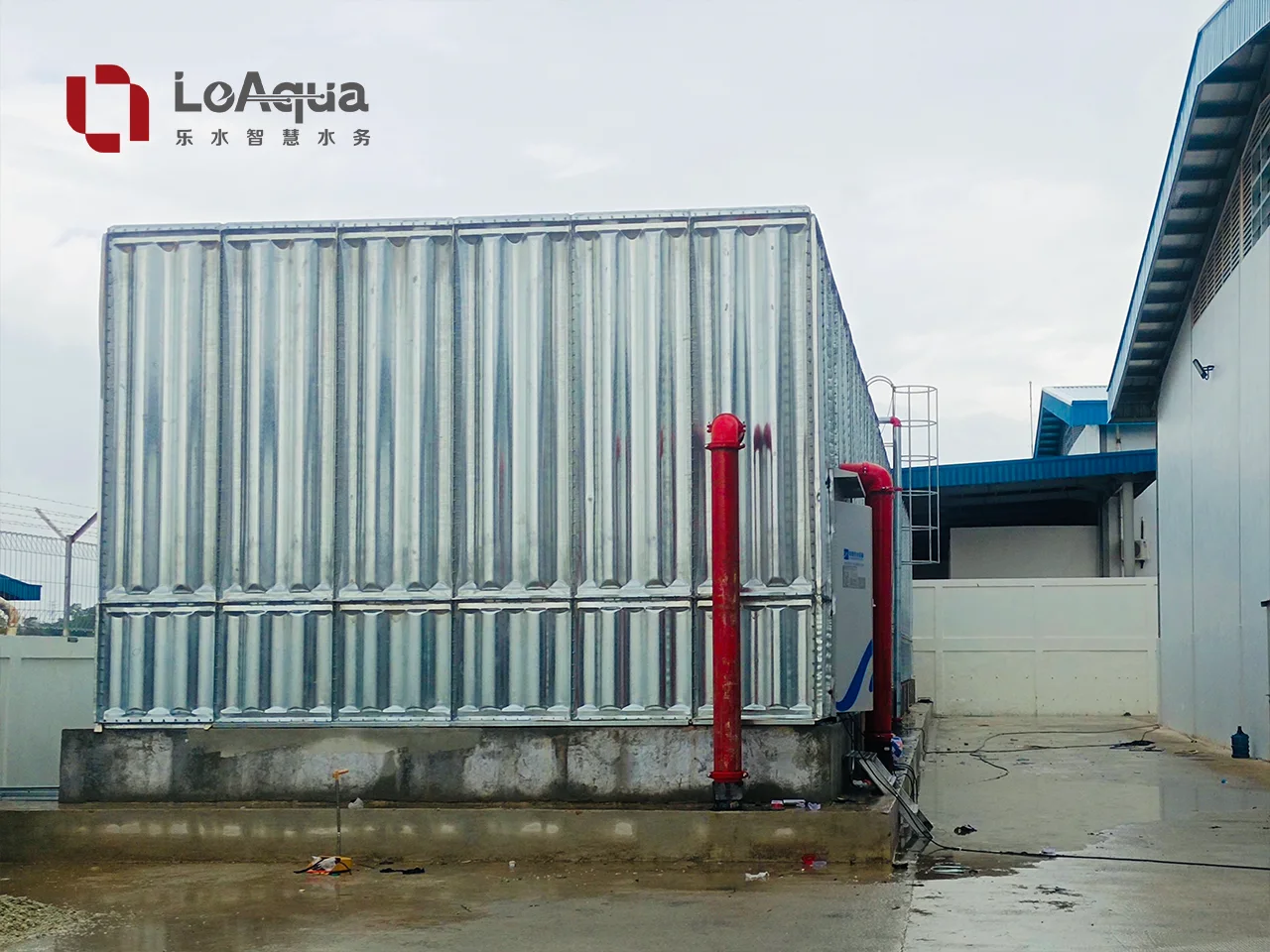
The water mist tank provides a controlled reserve and a stable source for the pump assembly. It should be sized and configured from the required discharge scenario, protected zones, operating sequence, refill arrangement and any required reserve. A tank volume copied from a similar project is not a substitute for the system design calculation.
What the Tank Design Should Address
- Required usable water volume and any separate reserve or minimum operating level
- Pump suction arrangement, inlet geometry and protection against air entry or vortexing
- Tank material compatibility with the water, environment and project documentation requirements
- Inlet, outlet, drain, overflow, vent, manhole and level instrument connections
- Cleaning, inspection, isolation and maintenance access
- Refill time and the reliability of the upstream water source
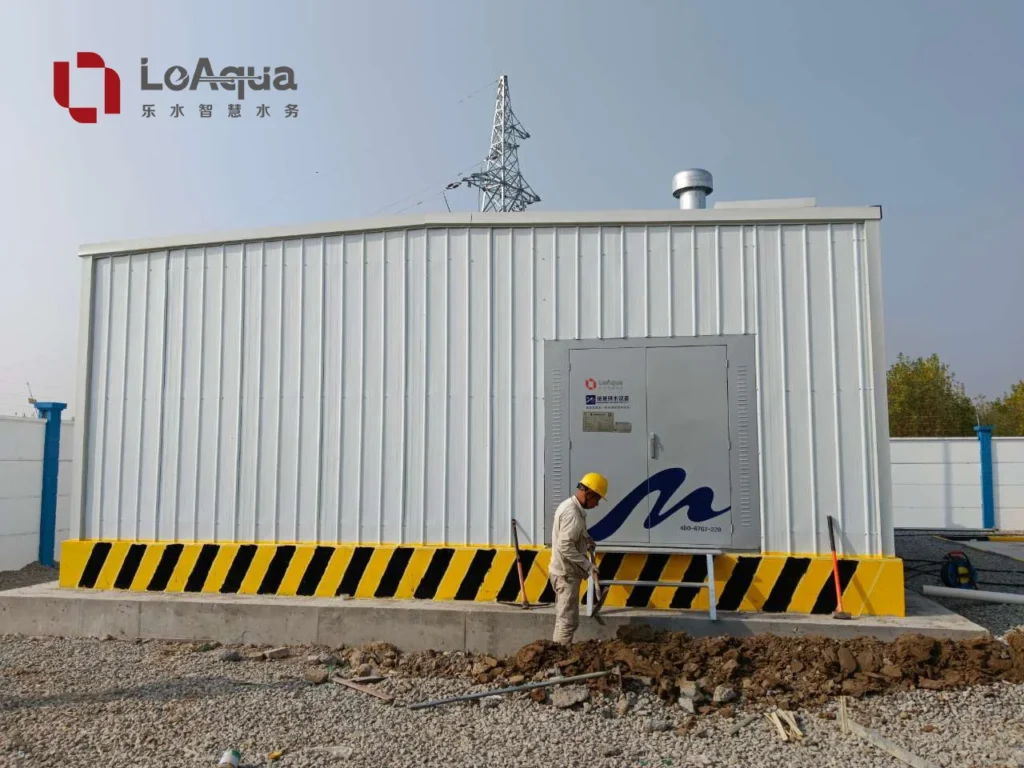
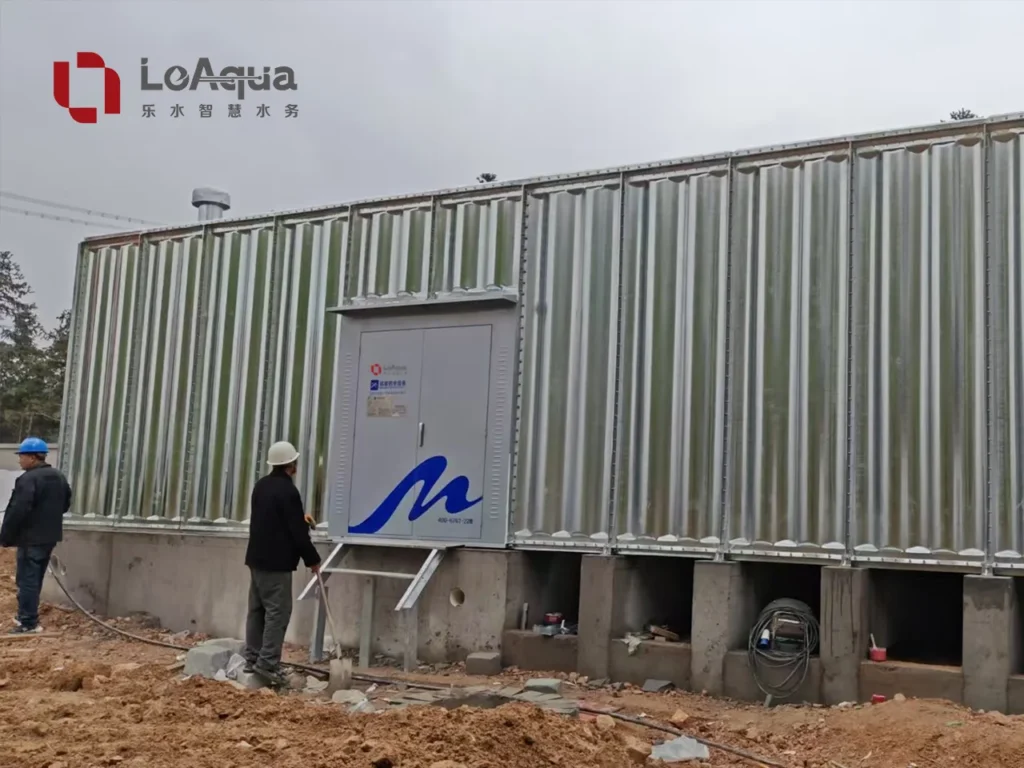
The tank should also be coordinated with the pump room. A technically adequate tank can still create site problems if the pump suction, filter access, control cabinet, drainage and maintenance clearances were not considered together. LeAqua’s water tank supply scope guide provides a useful procurement framework for separating included accessories, documents and by-others work.
How the Make-Up Pump, Pressure Stabilization Pump and Main Pump Work Together
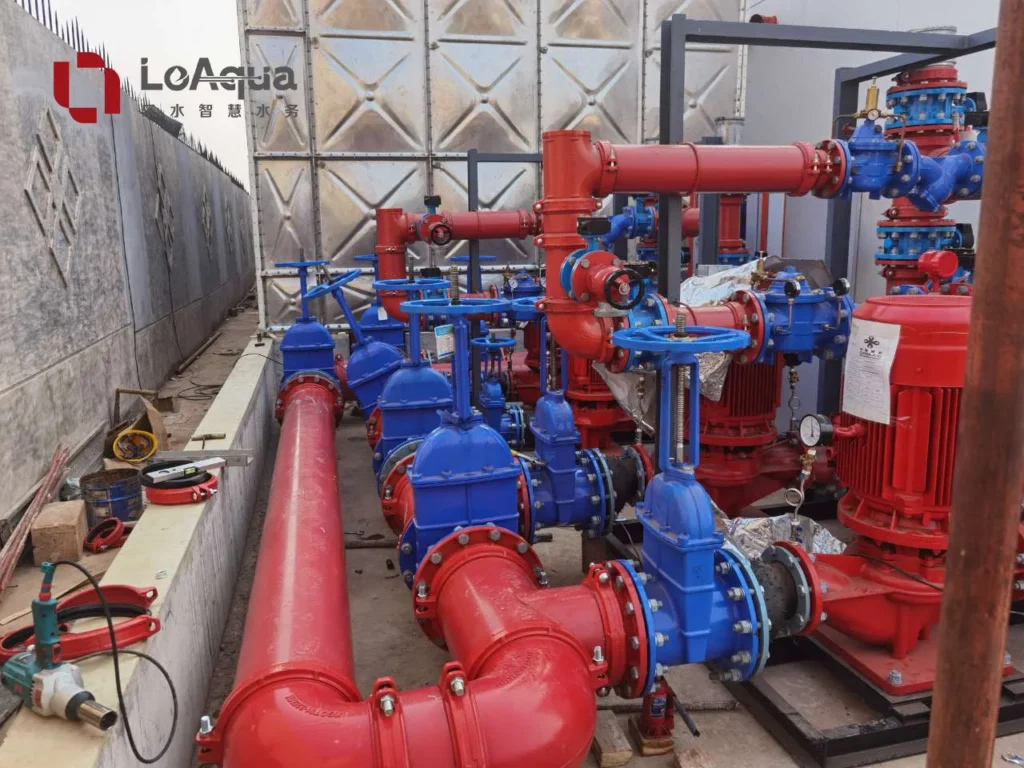
The pump package should be understood as a sequence, not just a list of pump names. The make-up pump supports replenishment or water transfer according to the system arrangement. The pressure stabilization pump maintains the standby pressure within the designed range and helps prevent unnecessary starts of the main pump. The high-pressure main pump supplies the flow and pressure required when the system operates.
| Component | Project question |
| Make-up water pump | What source does it draw from, what level or pressure starts it, and how is refill reliability confirmed? |
| Pressure stabilization pump | What standby pressure range is required, and how are small pressure losses distinguished from a real system demand? |
| High-pressure main pump | What flow, pressure, duration and zone combination define the design duty? |
| Pump controls | How are automatic, manual and emergency start functions arranged and tested? |
| Standby or redundancy | Does the project approval basis require duty/standby equipment, independent power or another reliability measure? |
The supplied LeAqua/Mingxing materials state the following reference values for the described high-pressure water mist equipment: main pump rated working pressure of approximately 12-16 MPa, single-pump flow of approximately 115 L/min, standby pressure of approximately 1.0-1.2 MPa, and a minimum nozzle working pressure of 10 MPa. The design material also states Dv0.99 at or below 100 micrometres and Dv0.5 at or below 65 micrometres.
These figures describe the referenced product materials and should be checked against the selected model, nozzle arrangement, simultaneous operating zones and approved hydraulic calculation. They should not be presented as a guaranteed value for every water mist installation.
For related pumping equipment and integrated water supply arrangements, see LeAqua’s pump systems page. The final water mist pump package should still be engineered specifically for the fire scenario and project approval basis.
Instrumentation, Monitoring and Emergency Operation
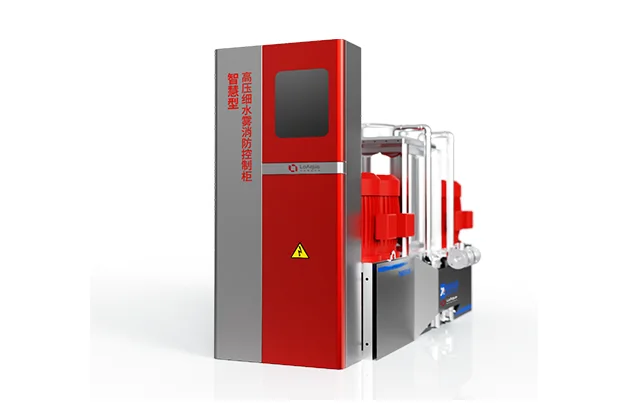
A water mist water supply is easier to operate when the control system shows the condition of the tank, pumps, filters and protected zones. The Mingxing operation manual identifies level sensors, pressure sensors, valves, filters, safety relief arrangements and monitoring instruments as part of the system. It also describes automatic, manual and mechanical emergency start modes.
- Tank level: normal, low-level alarm and any low-low protection state
- Pump pressure: standby pressure, operating pressure and abnormal pressure conditions
- Filter condition: inspection status and, where designed, differential-pressure alarm
- Valve position: especially zonal control valves and isolation valves
- Pump status: available, running, fault, local/manual and remote/automatic modes
- Emergency start: a documented method that remains available if automatic control is unavailable
- Alarm records: clear signals for low water, pump fault, pressure fault and system impairment
Monitoring is useful only when the project defines the response to each alarm. The commissioning and handover documents should identify who checks the signal, what temporary impairment controls are required and how the system is returned to service.
What Engineers Should Confirm Before Selecting the Equipment
Before a supplier selects the tank, filters and pumps, the project team should prepare a concise design input sheet. The following questions usually reveal the information that is missing from an early inquiry:
| Design input | Information to confirm |
| Protected hazard | Equipment, enclosure, fuel or fire scenario, ventilation and expected fire behavior. |
| System type | Open, closed wet, closed pre-action or another approved arrangement. |
| Protected zones | Number of zones, zone control method and whether more than one zone can operate together. |
| Discharge basis | Required flow, pressure, operating duration and the approved design method. |
| Water storage | Usable volume, reserve, refill source, refill time and operating levels. |
| Water quality | Source, analysis, treatment, temperature and contamination controls. |
| Filtration | Filter locations, filtration rating, pressure loss, access and spare elements. |
| Power and controls | Voltage, frequency, starting method, emergency power and control interfaces. |
| Environment | Indoor/outdoor location, freezing risk, corrosion exposure, seismic or other site conditions. |
| Approval | Local fire authority, consultant specification, required test records and applicable standard. |
If several inputs are not available, the quotation should list them as open points and state the assumptions used. A low price based on an unstated flow, storage duration or filter arrangement is not a reliable basis for comparing suppliers.
Water Mist Water Supply Checklist
- Confirm the hazard, protected equipment and system type before discussing tank volume.
- Define the required flow, pressure, discharge duration and simultaneous operating zones.
- State the water source, water analysis and any treatment or additive restrictions.
- Calculate usable tank volume and identify the minimum operating and reserve levels.
- Coordinate the tank outlet, pump suction, filter location and maintenance clearances.
- Select filtration from the approved nozzle and pump data, including access and cleaning.
- Define the make-up, pressure stabilization and main pump sequence.
- Confirm level, pressure, valve, pump and filter monitoring points.
- Confirm power supply, emergency start method and any standby or redundancy requirement.
- List drawings, test records, manuals, certificates and commissioning responsibilities in the quotation.
Maintenance Points for Tanks, Filters and Pumps
The water supply should be maintainable throughout its service life. The operation manual requires periodic attention to the level sensor, pressure transmitter, valves and filters. Filter clogging can affect normal operation, so inspection intervals should be set from the system instructions, water condition and operating environment rather than copied from an unrelated installation.
- Record tank level and pressure readings during routine inspection.
- Inspect and clean filters according to the approved maintenance procedure.
- Check that valves move to the required position and that alarms are reported correctly.
- Test automatic, manual and emergency start functions under an approved impairment procedure.
- Inspect the tank interior, connections, drainage and visible signs of leakage or corrosion as required.
- In a cold climate, follow the system instructions for draining or protecting the pump and pipework during long shutdowns to prevent freeze damage.
Maintenance records should show the date, equipment condition, action taken, person responsible and return-to-service confirmation. This is more useful than stating only that the system was checked.
Standards, Testing and Project Approval
Water mist fire protection is a life-safety application. The tank, pumps, filtration, pipework, nozzles and controls should be reviewed as one approved system. The project team should identify the applicable local fire code, consultant specification, authority requirements and product approval route before equipment selection.
A manufacturer’s operating manual and product data can explain a system configuration, but they do not automatically prove compliance with every national code or authority requirement. Likewise, a management-system certificate should not be treated as product approval unless its scope explicitly covers the relevant product and application. The responsible fire engineer and authority having jurisdiction should confirm the final basis.
Before handover, the project documents should define the inspection and test plan, pump test method, alarm test, valve test, filter condition, tank level, pressure stability and any required discharge or acceptance test. Test values should be recorded against the approved design, not against a generic marketing number.
How LeAqua Can Support a Water Mist Water Supply Project
LeAqua’s water mist materials describe an integrated package that includes a high-pressure main pump, make-up water pump, pressure stabilization pump, water storage tank, filter, zonal control valves, nozzles, control system and monitoring instruments. This integrated view is useful when the project needs the tank, pump and control interfaces to be coordinated instead of purchased as unrelated items.
For an engineering review, provide the protected hazard, system type, number of zones, design flow and pressure, discharge duration, water source, tank location, water quality, power supply, applicable requirements and required documents. LeAqua can then identify which values are confirmed, which depend on the selected model and which require approval from the project fire engineer.
Use the contact page to send the project information. The inquiry should request a clear scope of supply, assumptions, exclusions, technical documents and commissioning responsibilities.
Conclusion
A high-pressure water mist system water supply should be designed as a coordinated package of clean water, storage, filtration, pumps, controls and maintenance access. The tank provides the usable reserve, filters protect the small water passages, the make-up and pressure stabilization pumps support system readiness, and the high-pressure main pump supplies the required operating condition.
The most reliable procurement process starts with a defined hazard, hydraulic basis, water source, storage requirement, filter arrangement and approval path. Product reference values can support the discussion, but the final selection must be confirmed for the actual project, selected model and local fire protection requirements.