A stainless steel water tank is chosen for more than its material. Panel design, surface finish and internal reinforcement also affect how the tank looks, how its structure handles water pressure and how easily the inside can be inspected and cleaned.
Quick answer: For projects considering an arc-ribbed stainless steel water tank, the specification should review three things together: the stainless steel grade and finish, the panel geometry and structural reinforcement, and the access required for inspection and cleaning. A mirror finish can improve visual presentation where it is specified, while an arc-ribbed design may reduce the need for horizontal internal tie rods in an appropriately engineered configuration.
What makes an arc-ribbed stainless steel tank different?
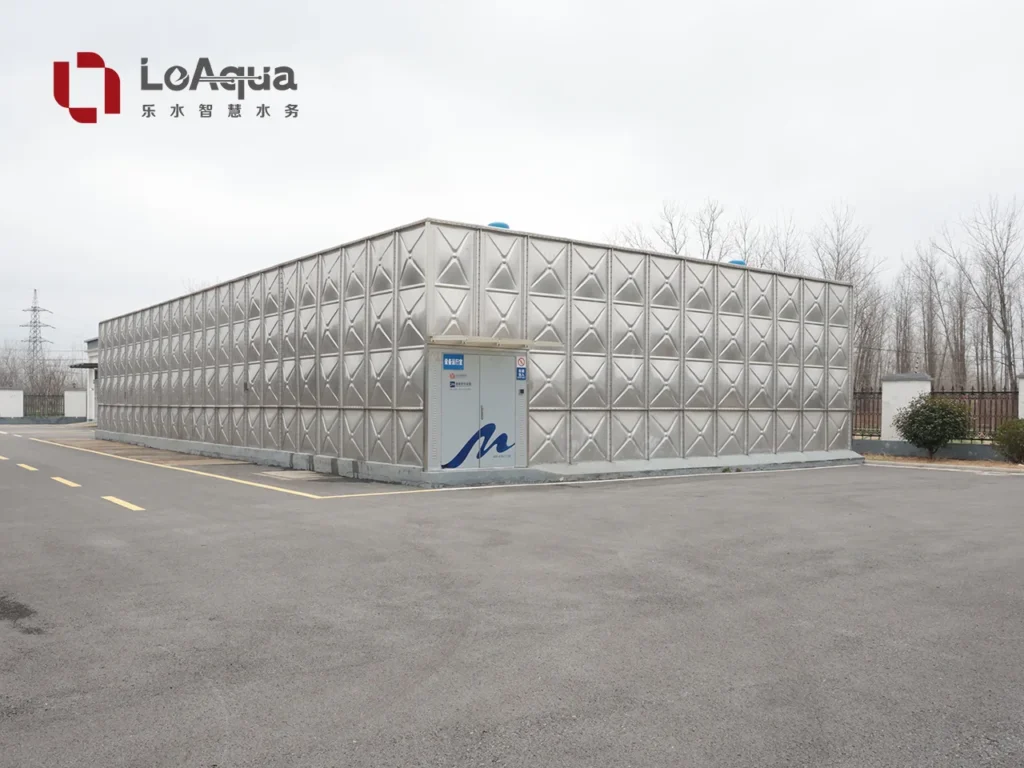
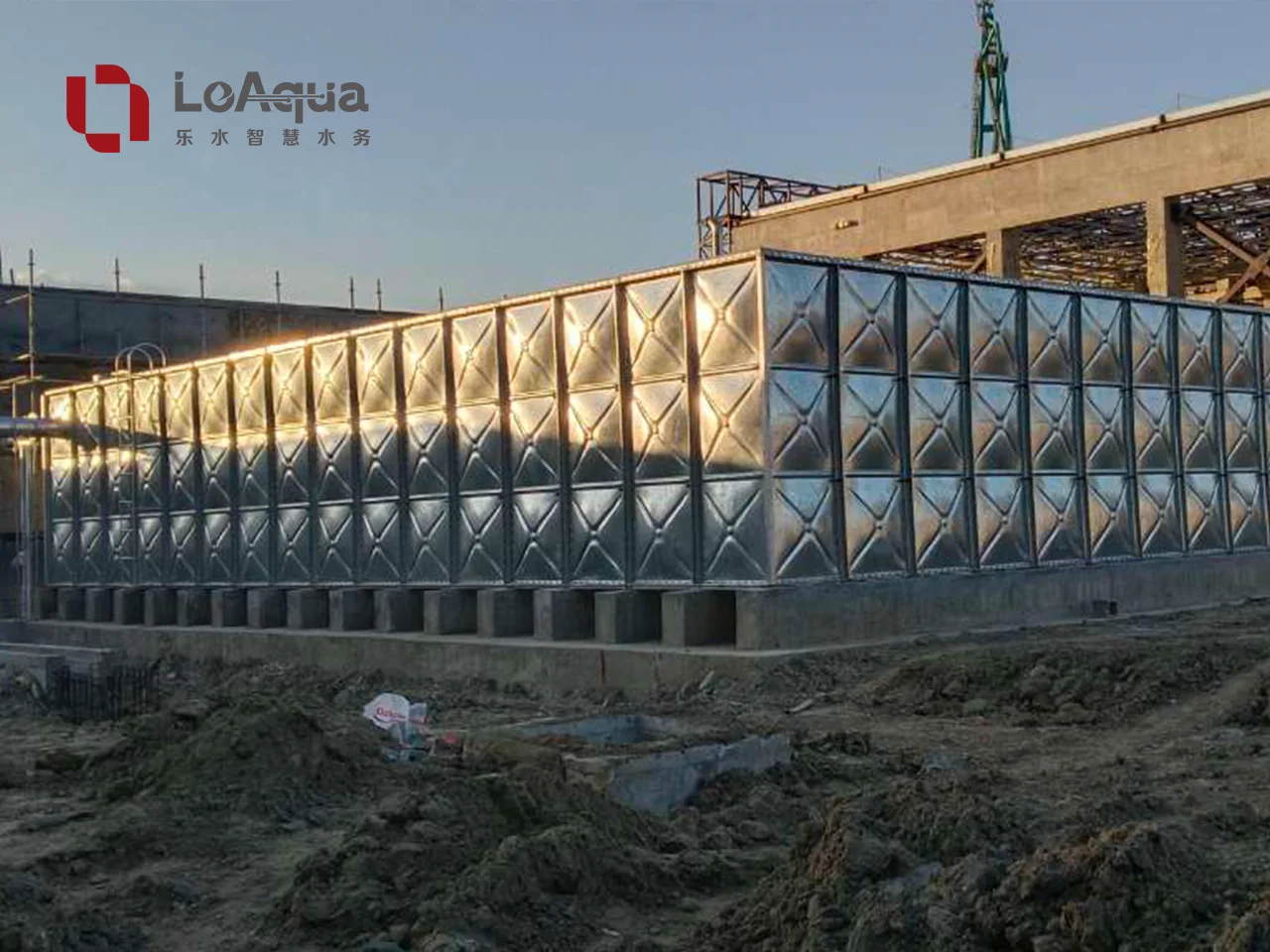
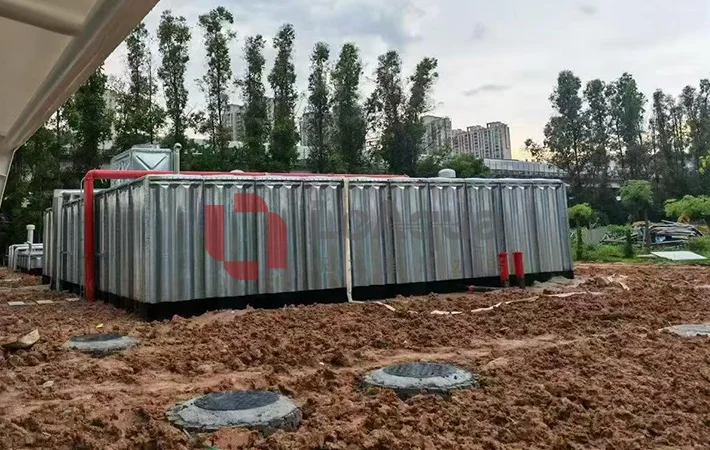
A conventional flat panel relies mainly on its thickness and reinforcement arrangement to resist the pressure of stored water. An arc-ribbed panel adds formed geometry to the plate. The curved ribs help distribute loads across the panel and increase its stiffness.
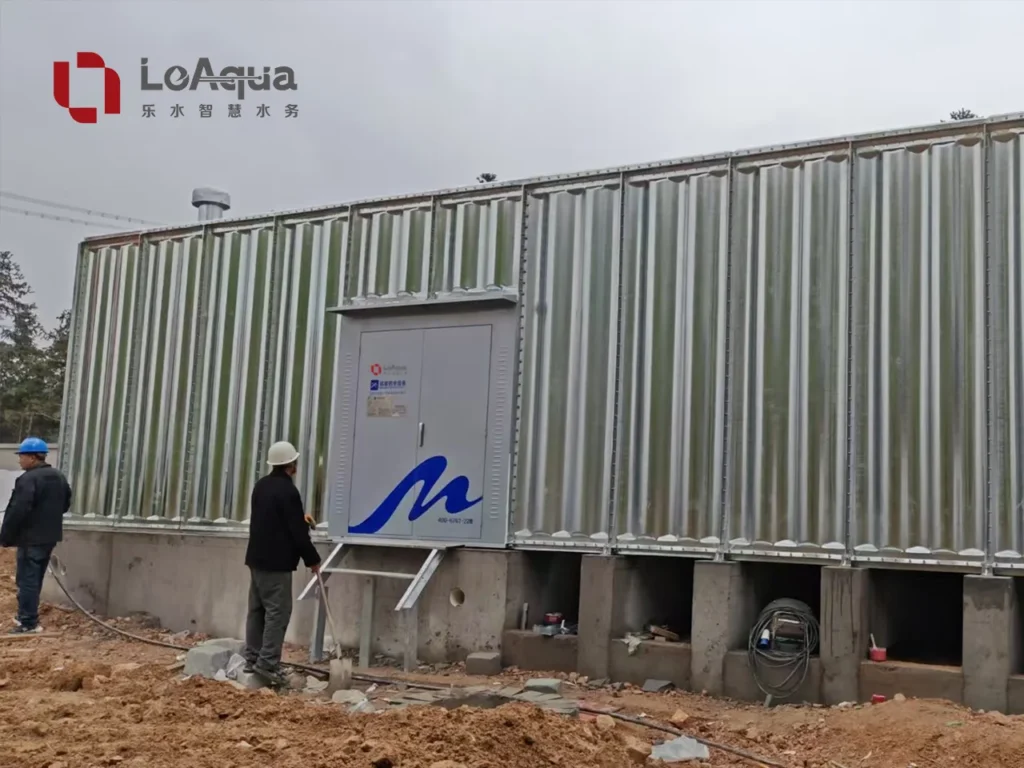
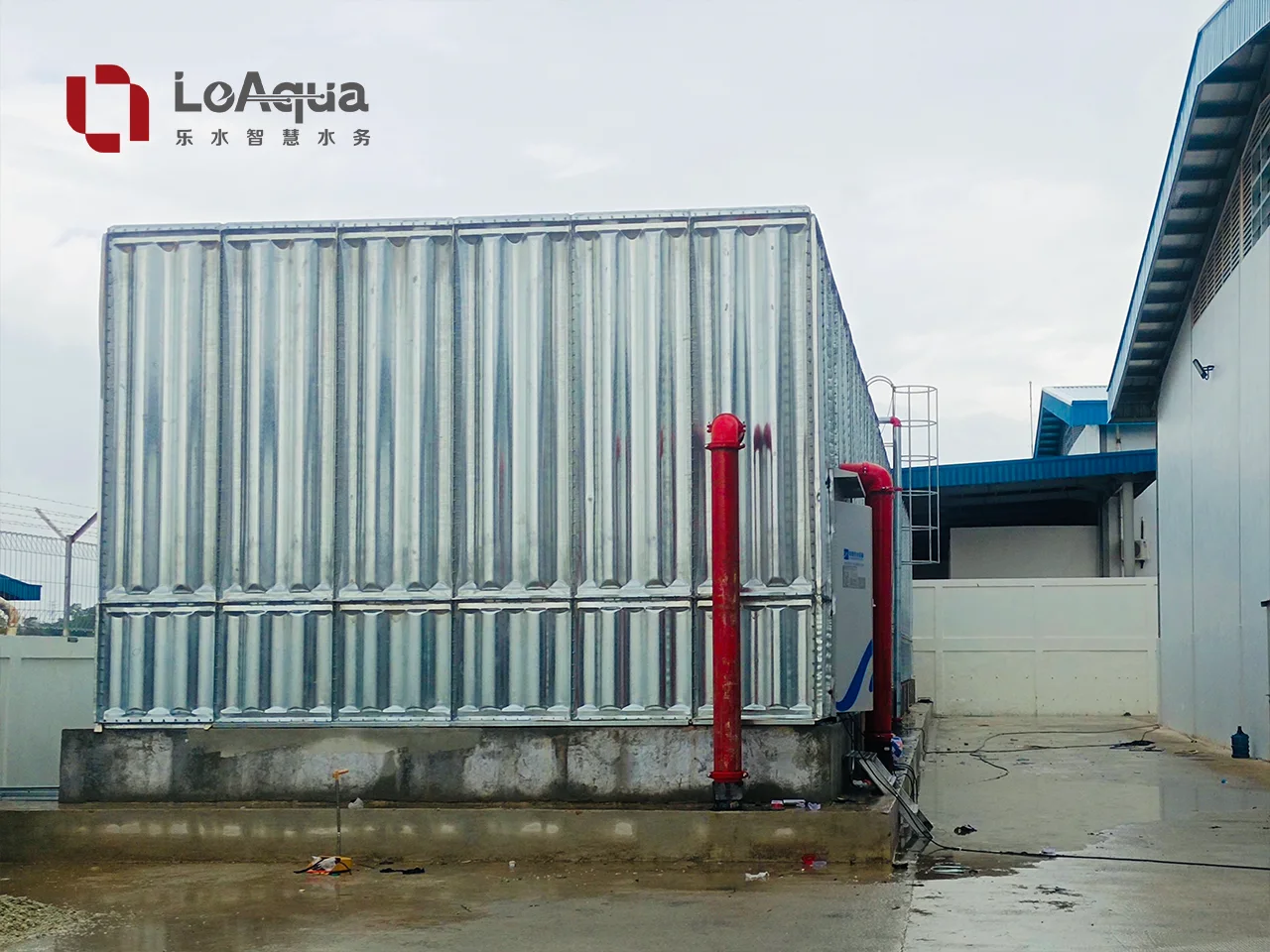
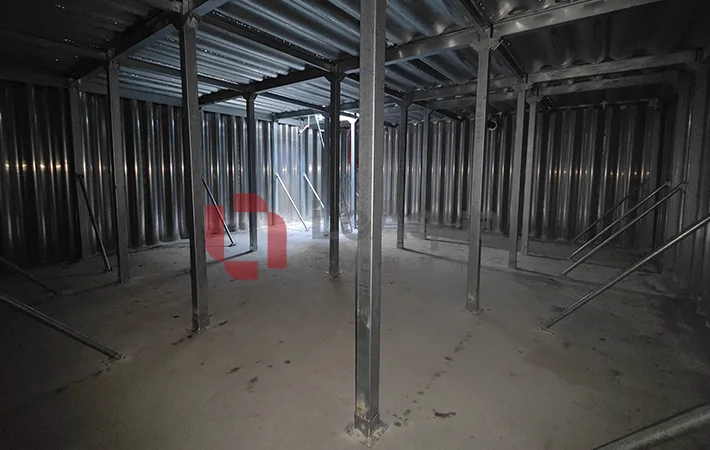
LeAqua’s double-sided arc-ribbed water tank uses formed panels with ribs on both sides. The design is intended to improve panel rigidity and can reduce or eliminate horizontal internal tie rods, depending on the tank configuration and structural design.
That qualification matters: “no tie rods” should not be interpreted as “no internal supports of any kind.” The final arrangement depends on the tank dimensions, water depth, panel layout and engineering design.
Why does internal structure matter for maintenance?
Internal tie rods can obstruct access to panel surfaces and make inspection or cleaning more involved. Where the structural design allows fewer or no horizontal tie rods, the interior can be more open and easier to access.
This may be useful for projects where inspection and cleaning access are important. However, cleaning performance also depends on the tank’s access openings, internal layout, drainage and maintenance procedures. The panel design alone does not guarantee a particular cleaning result.
For a deeper explanation of the structural question, see how a no-tie-rod water tank design affects internal access.
What does a mirror finish add to a water tank?
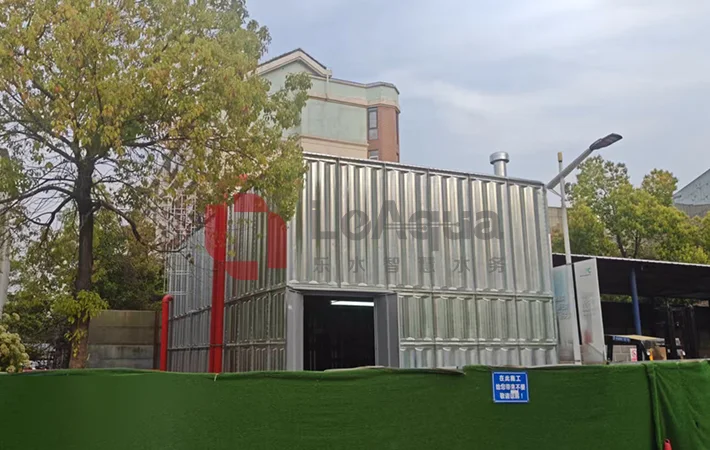
Where a mirror-finish stainless steel surface is specified, it can give the tank a cleaner and more reflective appearance. That may suit visible installations where the equipment’s appearance matters, such as some commercial, architectural or public-facing settings.
The finish is an appearance choice, not a substitute for structural design or material selection. A reflective surface does not by itself establish a tank’s strength, corrosion resistance or suitability for a particular water quality. Buyers should confirm the actual finish, stainless steel grade and panel construction in the project specification.
In practical terms, the visual benefit is strongest when the tank is located in a visible plant area or when the project wants exposed equipment to look orderly and well-finished. For a concealed tank room, the extra finish may be less important than access, drainage, connection layout and installation cost.
Stainless steel benefits beyond appearance
Stainless steel is widely used for water storage because it combines corrosion resistance, mechanical strength and a smooth surface that can be cleaned and inspected. The correct grade still depends on the water, environment and project requirements.
- Corrosion resistance: the selected grade should suit the water quality and surrounding environment, especially in coastal or industrial locations.
- Hygienic internal surfaces: smooth stainless steel surfaces are generally easier to inspect and clean than rough or damaged surfaces.
- Structural reliability: material grade, panel thickness, formed geometry and reinforcement all contribute to the final design.
- Project flexibility: modular stainless steel panels can support different tank dimensions and site access conditions when the layout is properly designed.
LeAqua’s stainless steel water tank page describes both welded and bolted stainless steel options. The final choice should be based on the project’s capacity, installation method, water conditions and required technical documentation rather than on the material name alone.
Appearance and structure should be specified separately
A useful tank specification should distinguish between the following items:
| Specification item | What should be confirmed |
|---|---|
| Material | Stainless steel grade required for the stored water and environment |
| Panel design | Flat, formed or double-sided arc-ribbed construction |
| Surface finish | Finish required on visible surfaces and water-contact surfaces |
| Structural arrangement | Internal reinforcement, support columns and any horizontal tie rods |
| Maintenance access | Manholes, inspection openings, drainage and working clearance |
Keeping these items separate makes supplier quotations easier to compare. Two tanks may both be described as stainless steel water tanks while differing in panel geometry, finish, reinforcement and supply scope.
For broader selection factors such as application, capacity and supply scope, see LeAqua’s water tank selection guide.
Questions to ask before ordering
Before approving a tank proposal, ask the supplier:
- What stainless steel grade and surface finish are included?
- Is the mirror finish standard, optional or limited to specific surfaces?
- What panel geometry is used?
- Does the design use horizontal tie rods or other internal supports?
- What drawings or calculations show the proposed structural arrangement?
- How are inspection, cleaning and drainage access provided?
Answers should be reflected in the quotation and technical submittal. If a particular finish or internal arrangement is important to the project, it should be written into the agreed specification rather than left as a verbal expectation.
Choosing the right balance
A stainless steel tank’s appearance, structure and maintenance access are related, but they are not interchangeable benefits. A mirror finish may improve the visual presentation where specified. Arc-ribbed panels can provide a different structural approach and may reduce the need for horizontal internal tie rods in an appropriately engineered configuration.
The right choice depends on the project’s water, environment, capacity, layout and maintenance needs. LeAqua offers double-sided arc-ribbed tank designs alongside other stainless steel tank options; project drawings and specifications should confirm the exact material, finish and reinforcement arrangement before production.
For a project-specific recommendation, send the required capacity, application, installation location, water conditions and preferred finish to the LeAqua engineering team.