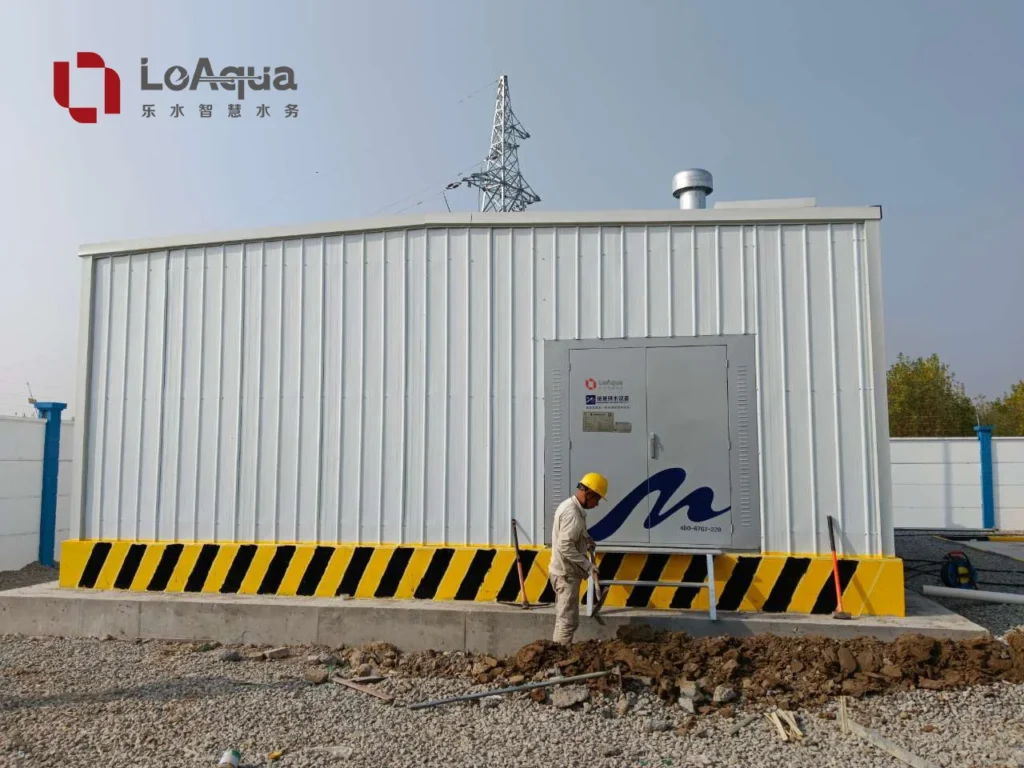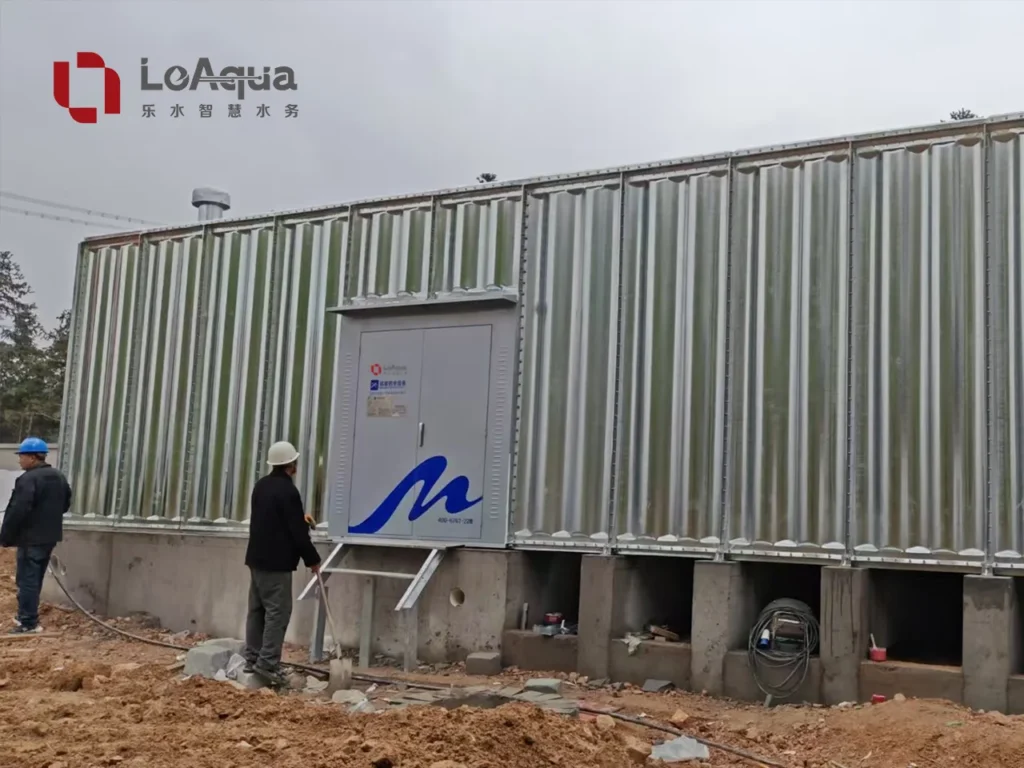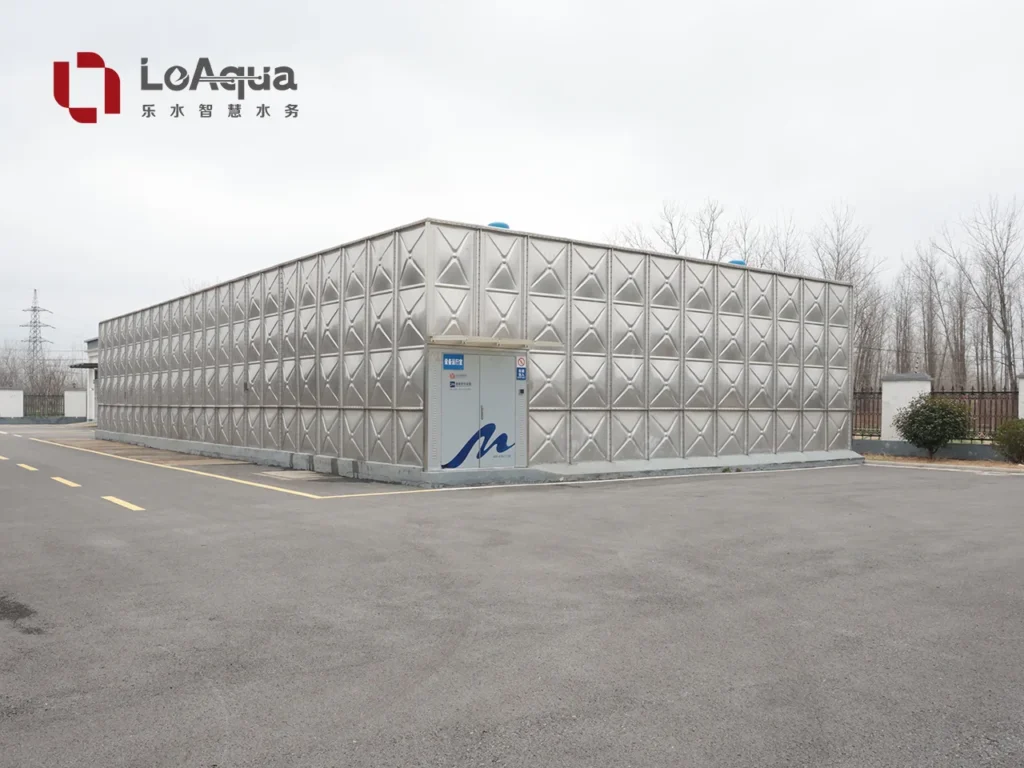
Yes, some modular water tanks can be expanded after installation, but expansion is not automatic. It depends on the tank’s original design, panel compatibility, structural capacity, foundation and the way the tank connects to the water system.
Quick answer: A modular tank may be suitable for later expansion when its manufacturer confirms that compatible panels and connections are available and an engineer verifies the revised structure, foundation and system interfaces. Do not assume that every sectional tank can be enlarged safely just because it is made from panels.
What determines whether a water tank can be expanded?
Before planning a water tank expansion, identify the existing tank type, model, dimensions, material grade, panel thickness, installation date and original drawings. The supplier should also confirm whether matching panels, fasteners, gaskets and accessories are still available.
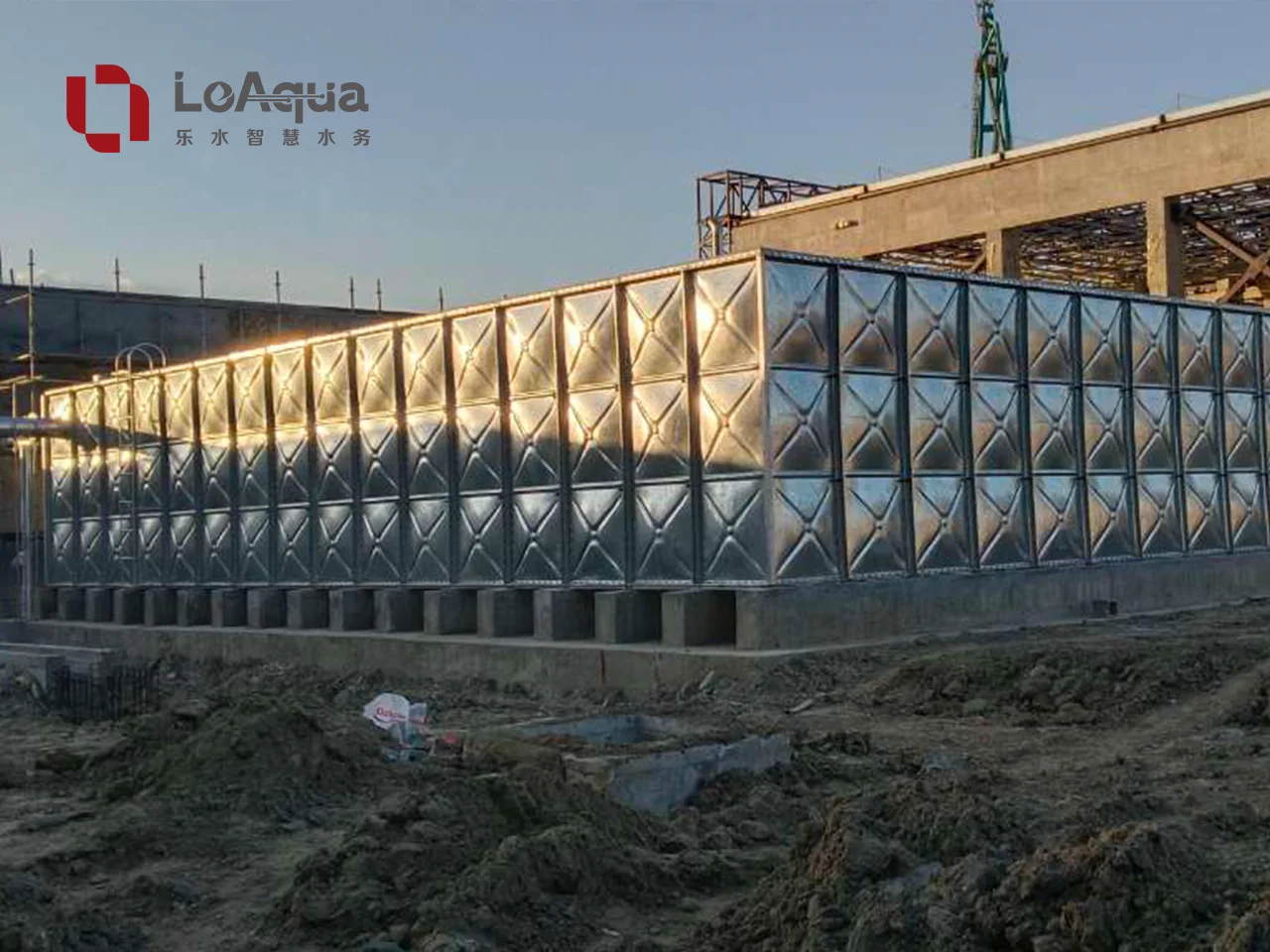
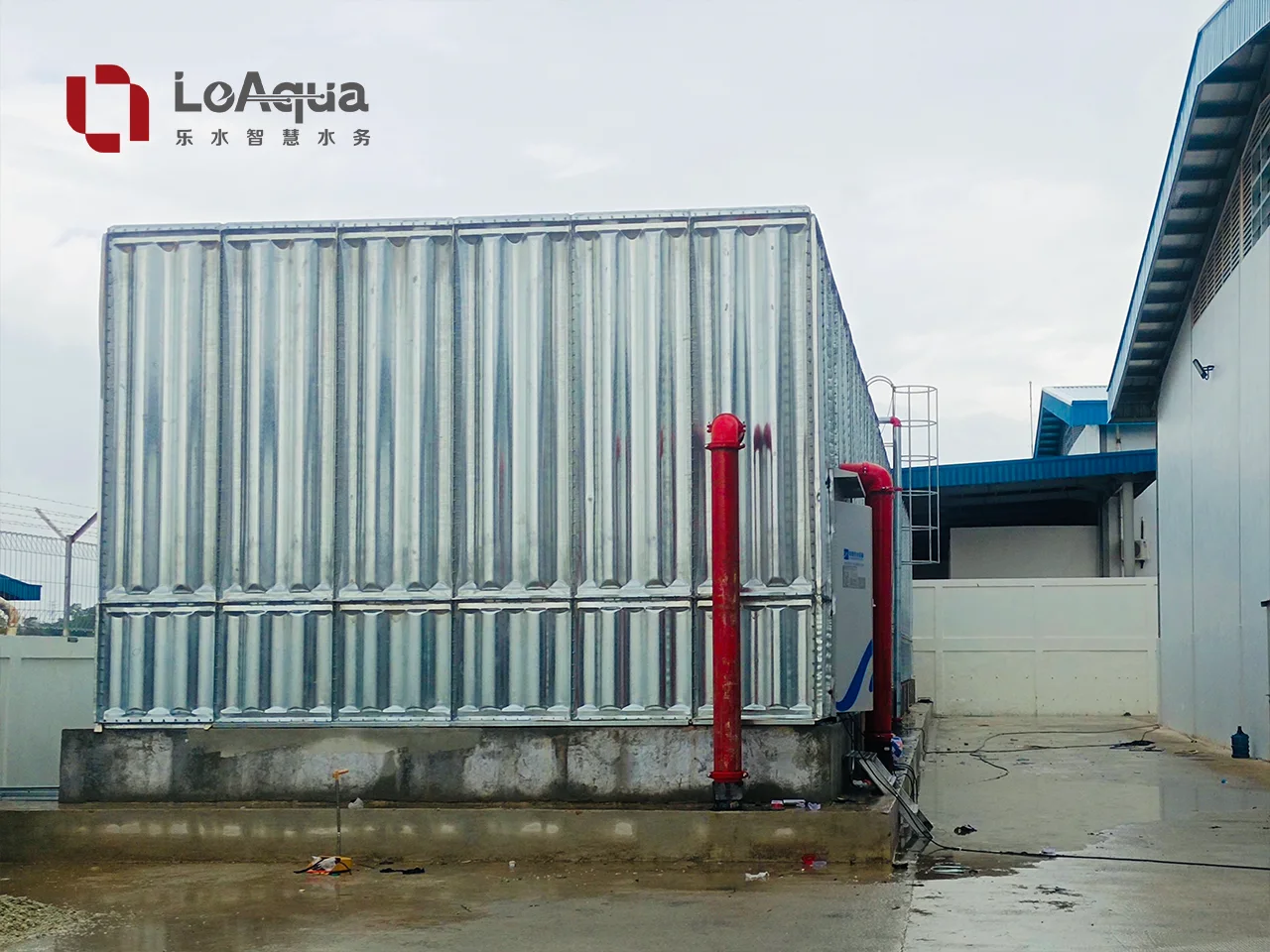
Modular construction can make changes more practical, but the tank must be reviewed as a complete structure. LeAqua’s water tank range includes modular options, and its stainless steel water tank information describes flexible installation and expansion for modular designs. This does not mean every existing tank or configuration can be extended without modification.
Checks to make before adding capacity
| Check | Why it matters |
|---|---|
| Tank model and panel compatibility | New panels, seals, bolts and accessories need to match the existing system. |
| Structural design | Changes to length, width or height affect water loads and the load path differently. |
| Foundation and support frame | The revised tank footprint and operating load may exceed the existing base or frame capacity. |
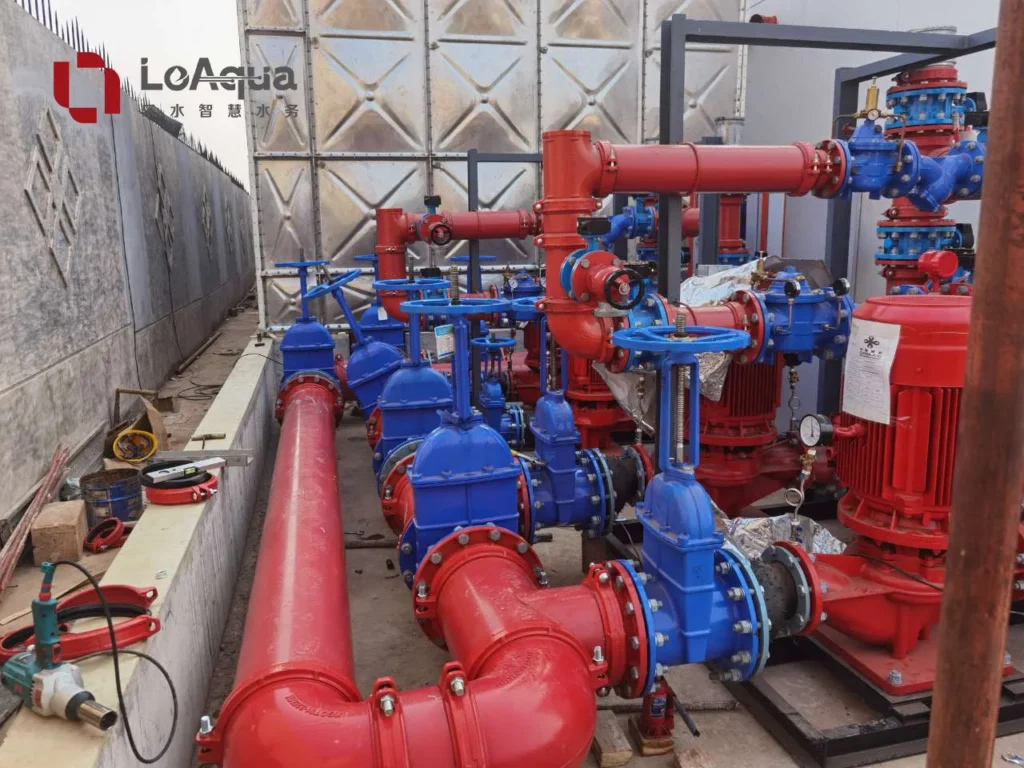
| Pipework and controls | Inlet, outlet, overflow, drain, pump duty and level controls may need to be revised. |
| Site access and operating plan | Panel delivery, assembly space, shutdown time and temporary water supply can affect feasibility. |
1. Confirm the original tank design
Start with the as-built drawings, equipment schedule and any structural calculations. If these are unavailable, record the tank dimensions, panel layout, material, connection locations and visible condition before requesting an assessment.
Older tanks may use a panel profile or joining system that is no longer produced. Even when a new panel appears similar, differences in dimensions, material, bolt pattern or gasket design can prevent a reliable connection.
2. Recheck the structure and foundation
Increasing the tank footprint is not the same as increasing its height. A change in width or length affects the footprint and foundation layout, while a greater water depth increases pressure on the tank walls and can change reinforcement requirements.
The foundation or support frame should be reviewed for the revised geometry and operating load. The original base should not be assumed adequate simply because it supported the smaller tank.
For sectional tanks, see LeAqua’s guide to foundation, load and site coordination. The final structural assessment should be completed by the project engineer using the actual tank and site information.
3. Review the water system around the tank
More storage can change how the connected system operates. Review whether the existing inlet can refill the larger volume within the required time and whether the outlet, pump, controls and distribution network can support the intended demand.
Overflow, drain and vent arrangements may also need adjustment. If pumps are connected to the tank, check the duty point and suction arrangement rather than assuming the existing pump remains suitable.
LeAqua’s water tank selection guide can help frame the capacity and application requirements before the revised configuration is specified.
4. Plan installation and service continuity
Expansion work may require draining or partially dismantling the tank. For buildings or facilities that need continuous water, plan temporary storage, bypass connections or a phased installation where technically feasible.
Also confirm access for delivering panels and tools, working clearances around the tank, leak testing, cleaning and return-to-service procedures. These site constraints can determine whether expansion is more practical than installing a separate tank.
When is a separate tank the better option?
A separate tank may be more practical when the existing structure is damaged, its original design cannot be verified, compatible panels are unavailable, the foundation cannot be extended or the work would create unacceptable service interruption.
The choice should compare the full scope: structural modifications, foundation work, pipework, controls, downtime and future maintenance—not just the cost of additional panels.
What information should you send for an expansion review?
To get a useful preliminary assessment, provide:
- existing tank drawings, model and installation date;
- current and desired storage capacity;
- tank dimensions, panel layout and material grade;
- foundation or support-frame drawings and site photographs;
- water application and required operating levels;
- existing inlet, outlet, overflow and drain details;
- pump and control information, if connected;
- site access, shutdown limits and target schedule.
LeAqua can review project requirements for its modular tank configurations and coordinate tank, connection and system information for a project-specific proposal. The feasibility of modifying an existing tank must be confirmed against its original design and site condition; final structural approval remains with the project engineer.
Frequently Asked Questions
Can any sectional water tank be expanded later?
No. Expansion depends on the tank design, compatible components, structural condition, foundation capacity and project requirements. A sectional construction alone does not guarantee that a tank can be enlarged.
Is it easier to make a tank wider or taller?
Neither option is automatically easier. Widening or lengthening changes the footprint and foundation arrangement, while increasing height changes the water pressure and structural requirements. The existing design must be checked for the proposed change.
Can the existing pump serve the expanded tank?
Possibly, but storage capacity and pump duty are different design questions. Confirm refill demand, operating levels, flow, head, suction conditions and control sequence before reusing the existing pump.
Conclusion
A modular water tank may be expandable, but only when the original structure, compatible components, foundation and connected systems support the change. Check those items before ordering additional panels or assuming an expansion will be straightforward.
For an initial review, send the existing tank drawings, photographs, current capacity and target capacity to the supplier and project engineer.