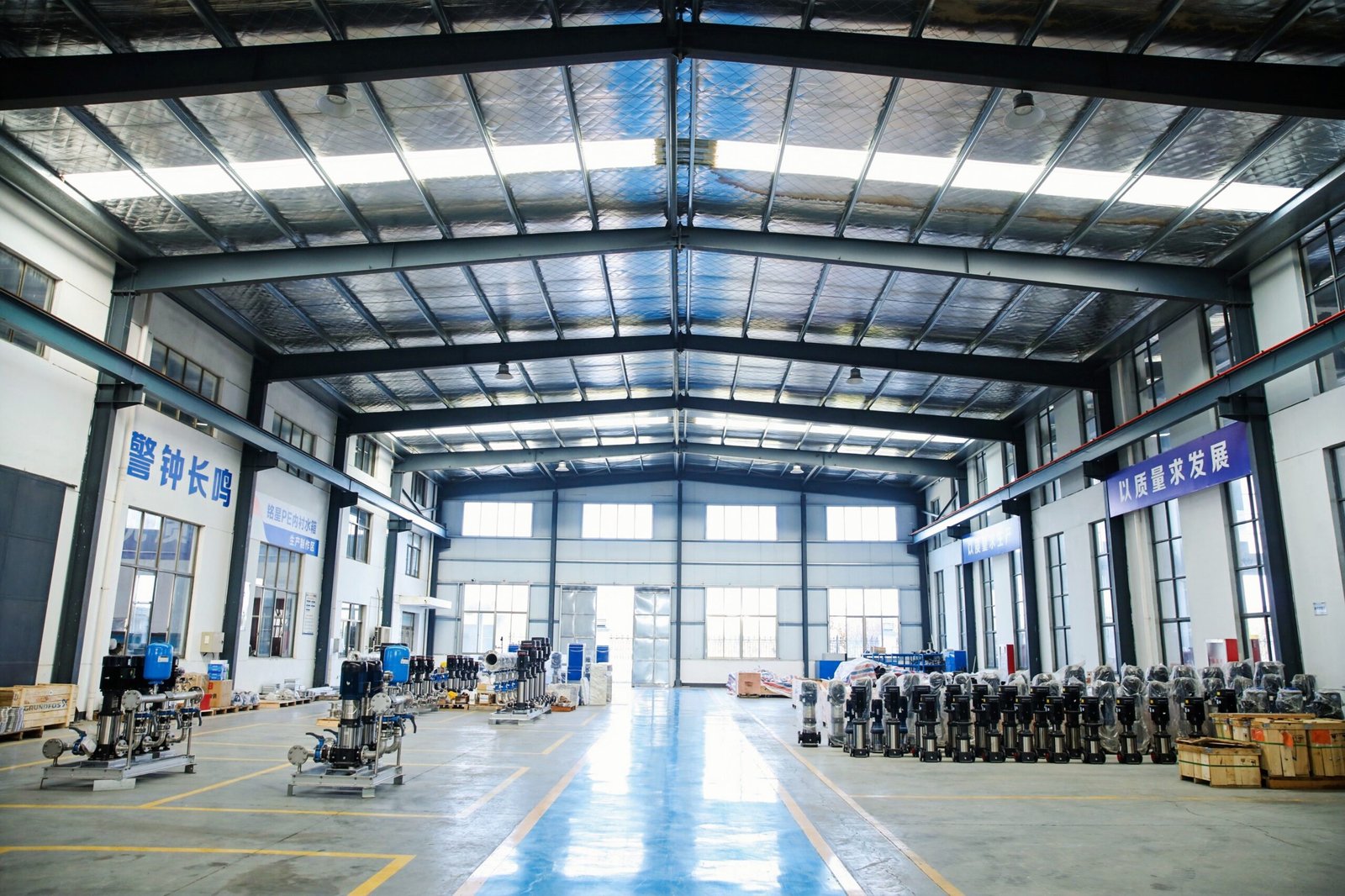
Water tank insulation for cold climates should be selected as part of the tank-and-pipework package, not as a material choice in isolation. The right build-up depends on the project’s weather exposure, tank configuration, operating conditions, outer protection requirements and maintenance plan. Insulation slows heat loss; it does not, by itself, guarantee that stored water or exposed connections will not freeze.
Quick answer: LeAqua uses three external insulation configurations on cold-region projects: rubber-plastic foam with color steel sheet, rock wool with color steel plate, and polyurethane with 201 stainless steel casing. Compare them against the project conditions and complete assembly—not by insulation name alone.
How do the three water tank insulation systems differ?
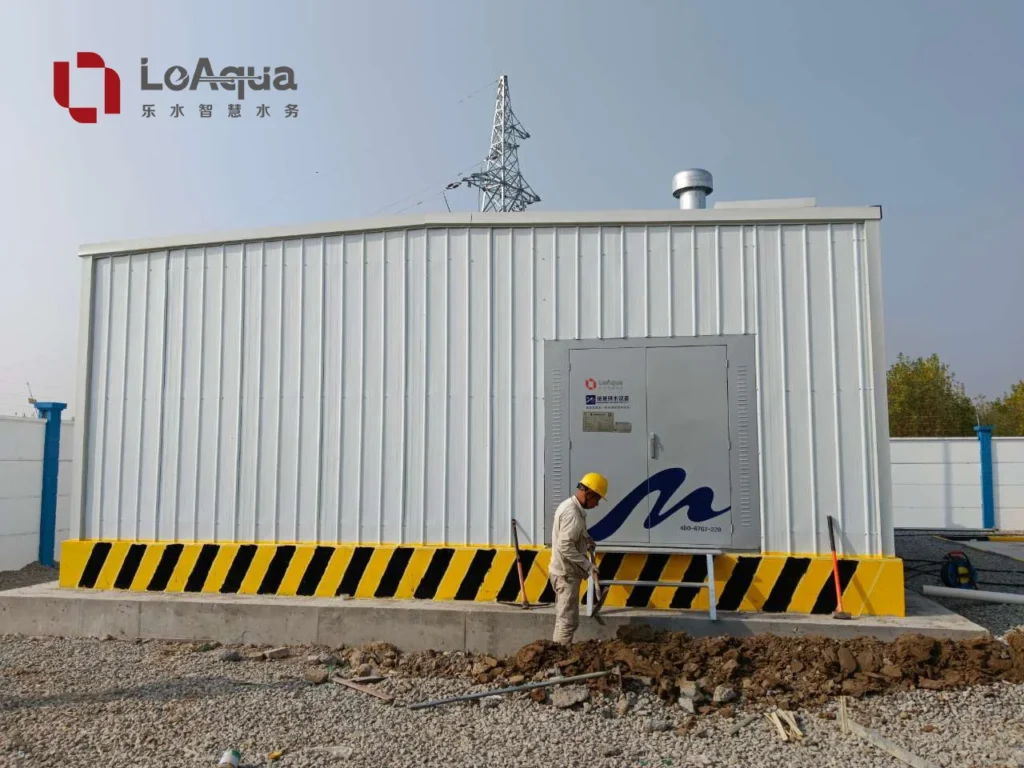
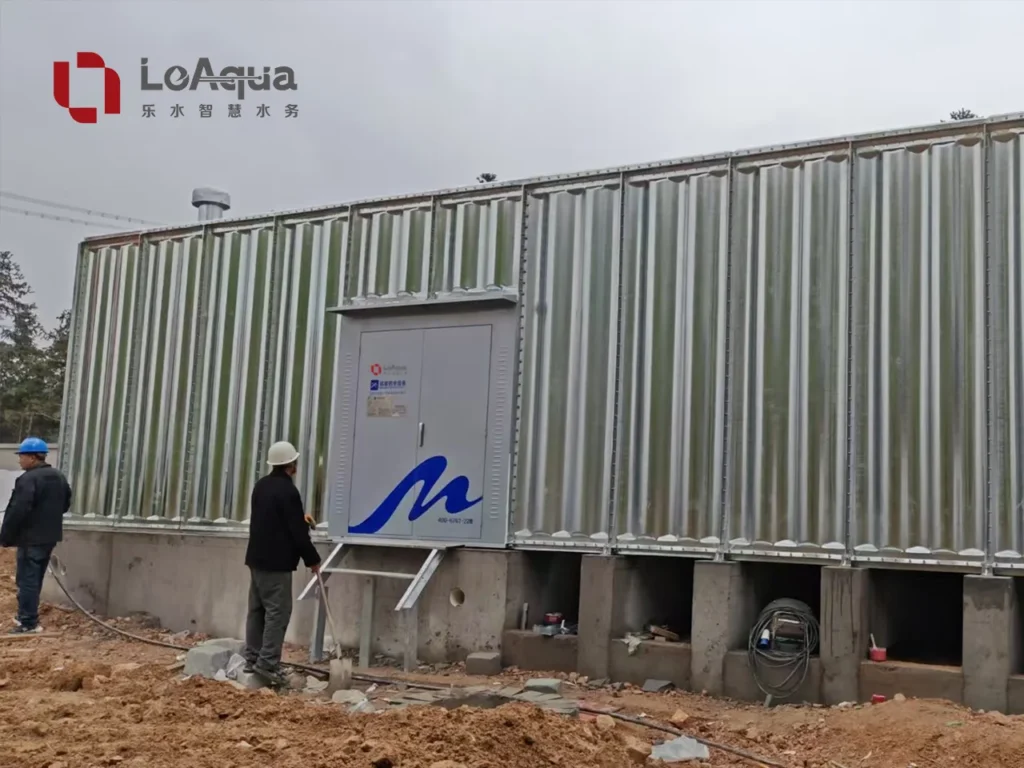
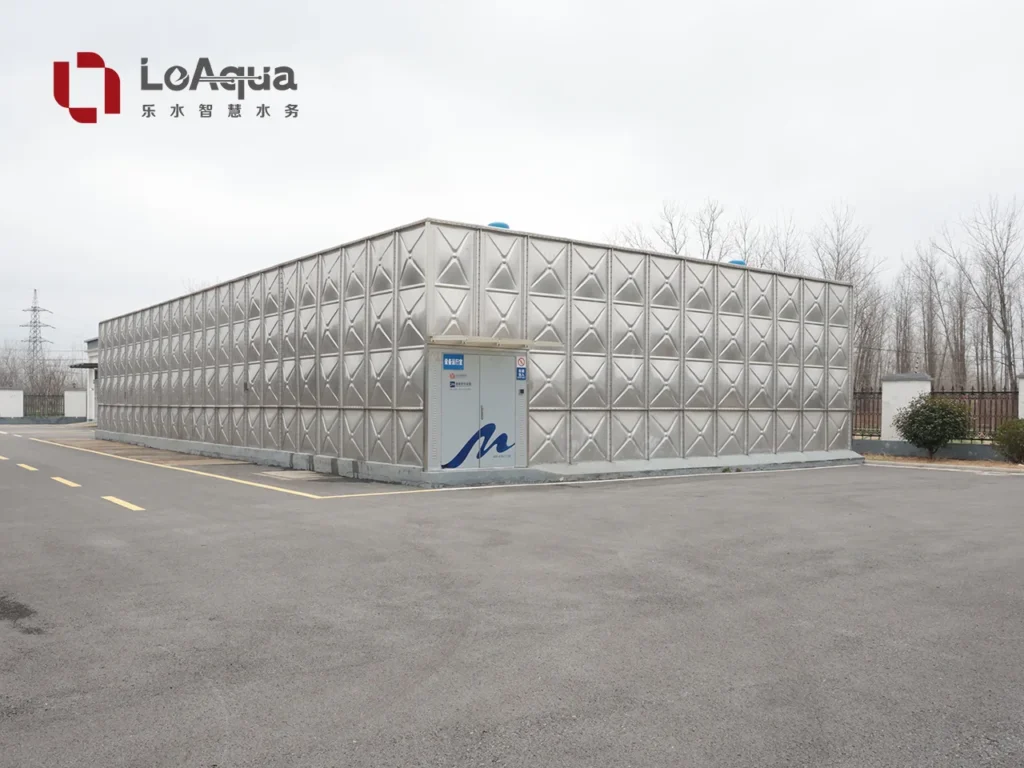
| Configuration | What it combines | What to confirm for the project |
|---|---|---|
| Rubber-plastic foam + color steel sheet | External flexible insulation with a color steel protective facing | Continuity at seams and corners, weather sealing, attachment details and access to fittings |
| Rock wool + color steel plate | External rock wool insulation protected by a color steel plate | Support and retention, moisture protection, joint detailing, project fire requirements and maintenance access |
| Polyurethane + 201 stainless steel casing | Polyurethane insulation panels with a 201 stainless steel outer casing | Panel joints, casing connections, exposure conditions, support details and how the casing can be inspected or repaired |
These are system descriptions, not a performance ranking. The insulation core and outer casing do different jobs: the core limits heat transfer, while the outer layer protects and finishes the assembly. Actual thermal performance depends on specified materials, thickness, workmanship, joints, exposure and the operating design basis.
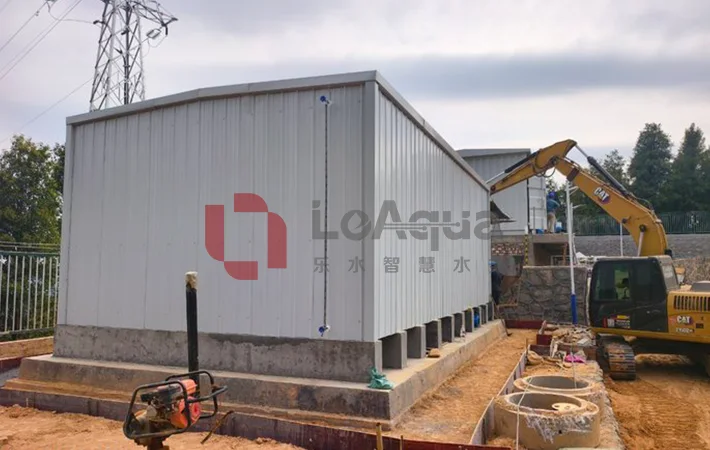
Three external insulation options
1. Rubber-plastic foam with color steel sheet
This arrangement pairs flexible rubber-plastic foam insulation with an external color steel sheet. When reviewing a proposal, check how the insulation is kept continuous around corners, panel joints, nozzles and supports, and how the sheet is fixed and sealed against the site environment. The connection details matter as much as the broad wall area.
2. Rock wool with color steel plate
Rock wool can be used as the external insulation layer, with color steel plate as the protective facing. The project team should confirm the specified product data, retention method, moisture-management details and any fire-related requirements that apply to the site. Do not assume a material label alone establishes suitability; the assembly and installation detail need review.
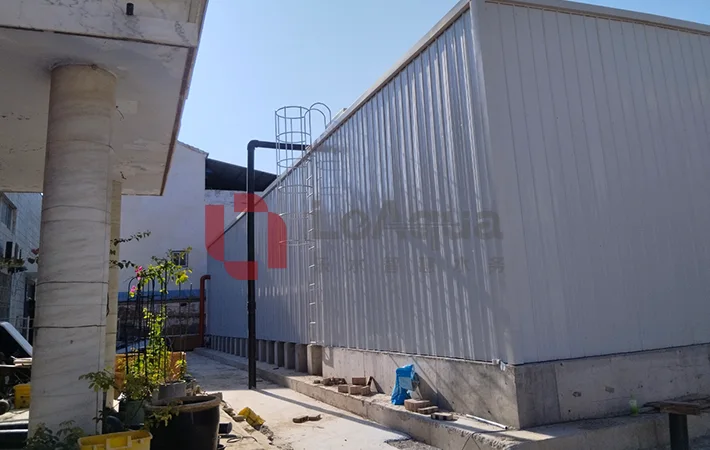
3. Polyurethane with 201 stainless steel casing
This option uses polyurethane insulation with 201 stainless steel as the external casing. The casing is the outer covering, not the tank’s water-contact panel material. Confirm how panel joints meet, how the casing is supported and connected, and whether its finish and material are suitable for the project’s exposure and maintenance expectations.
What should be checked before specifying tank insulation?
- Design conditions: Confirm the project’s design weather conditions, indoor or outdoor location, wind and precipitation exposure, and expected tank operating pattern with the responsible engineer.
- Whole-system coverage: Review the tank panels together with the roof, base, corners, access hatch, nozzles and supports. Breaks or gaps may reduce the benefit of insulating only the main walls.
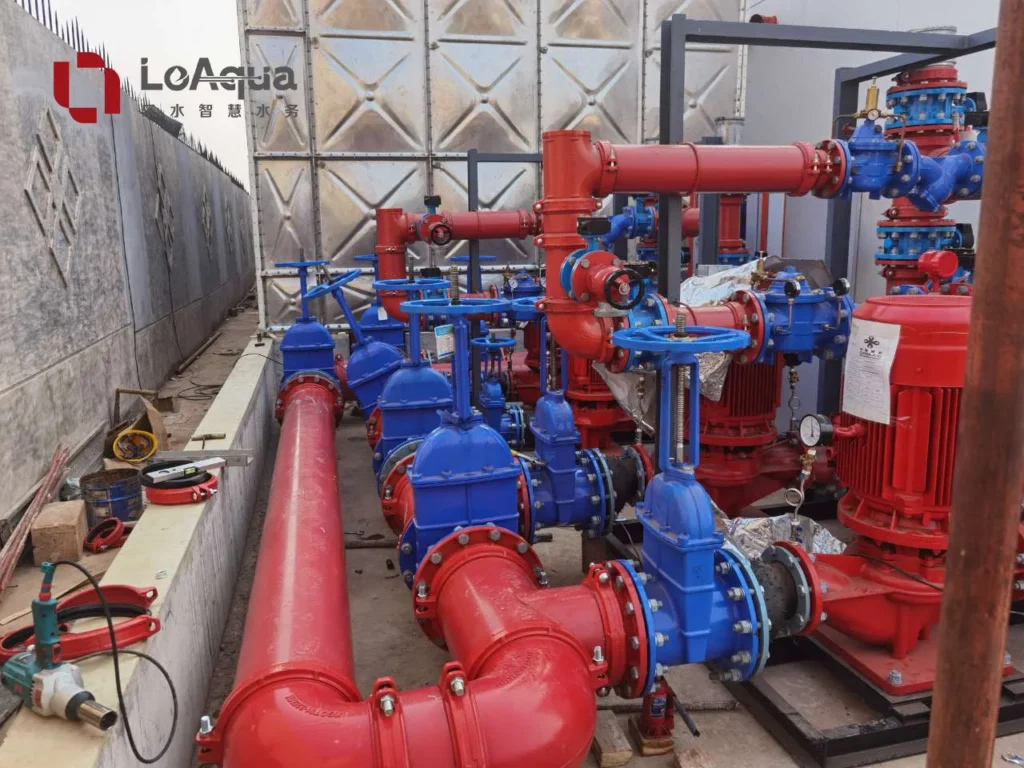
- Pipework and accessories: Coordinate exposed inlet and outlet pipes, valves, drains, vents, level instruments and pump connections. Their insulation, heat tracing or enclosure—if needed—should be addressed separately in the project scope.
- Moisture and outer protection: Confirm how the assembly handles rain, condensation, cleaning, corrosion exposure and damage during operation or maintenance.
- Access and repair: Keep required access to hatches, valves, instruments and inspection points. Establish how the outer casing can be opened, repaired or replaced without compromising adjacent insulation.
- Performance evidence: Ask for the proposed insulation product data, thickness, joint details and design assumptions. Have the project’s qualified designer review any required heat-loss or freeze-protection calculation.
Tank insulation and exposed pipework need coordinated design
A tank can have an insulated shell while a nearby valve, drain leg or pipe remains exposed. That is why the tank drawing and the pipework layout should be reviewed together. The U.S. Department of Energy’s Building Science Education resource on insulated hot-water lines discusses continuity, fittings, jacketing and maintenance for pipe insulation. It is useful background for adjacent pipework, not a tank-jacket specification.
For potable, fire-water, process or other storage duties, confirm the insulation and casing arrangement does not obstruct inspection, cleaning, identification, safe operation or required clearances. The project specification and applicable local requirements should govern final details.
Cold-region project experience
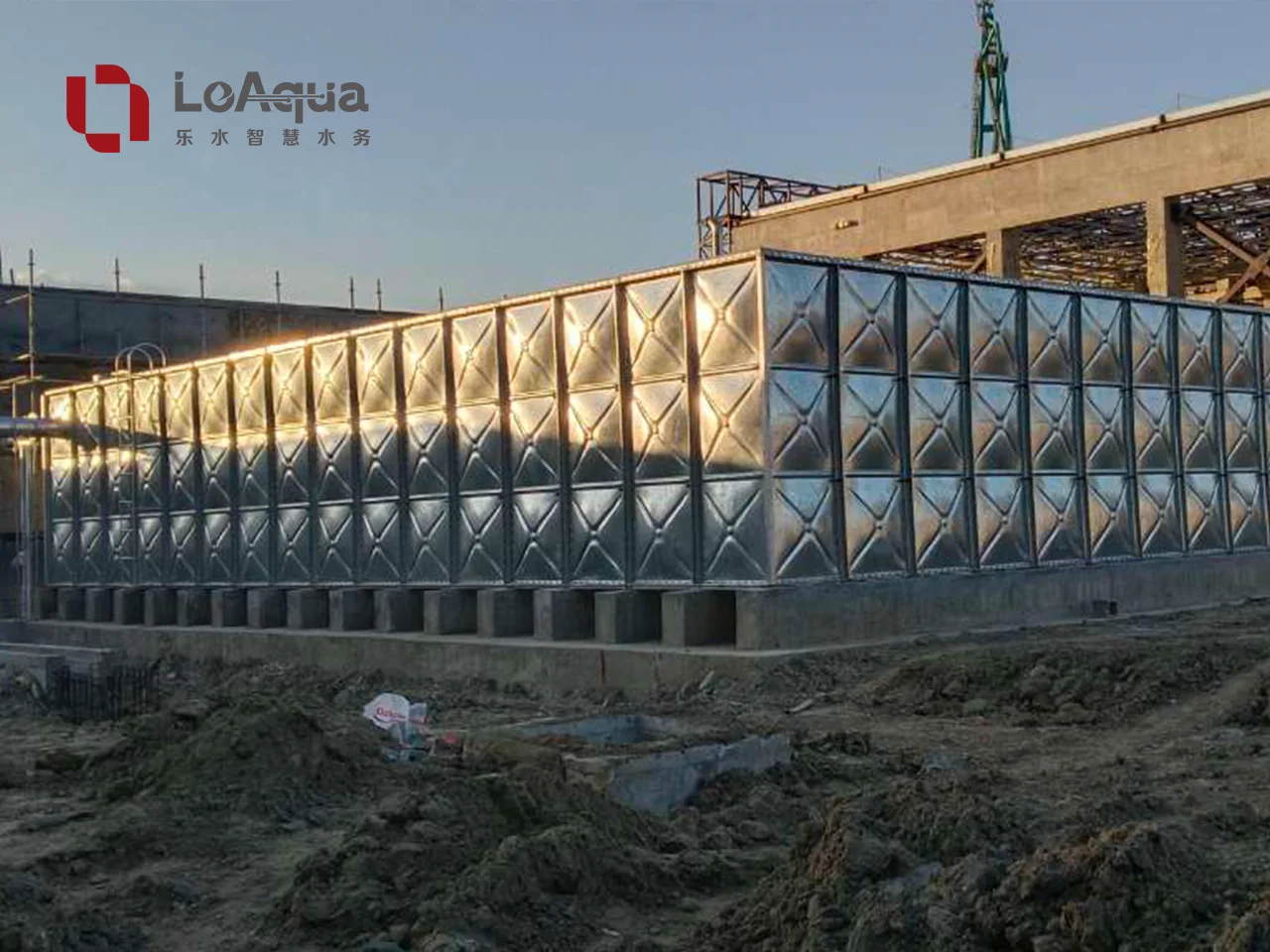
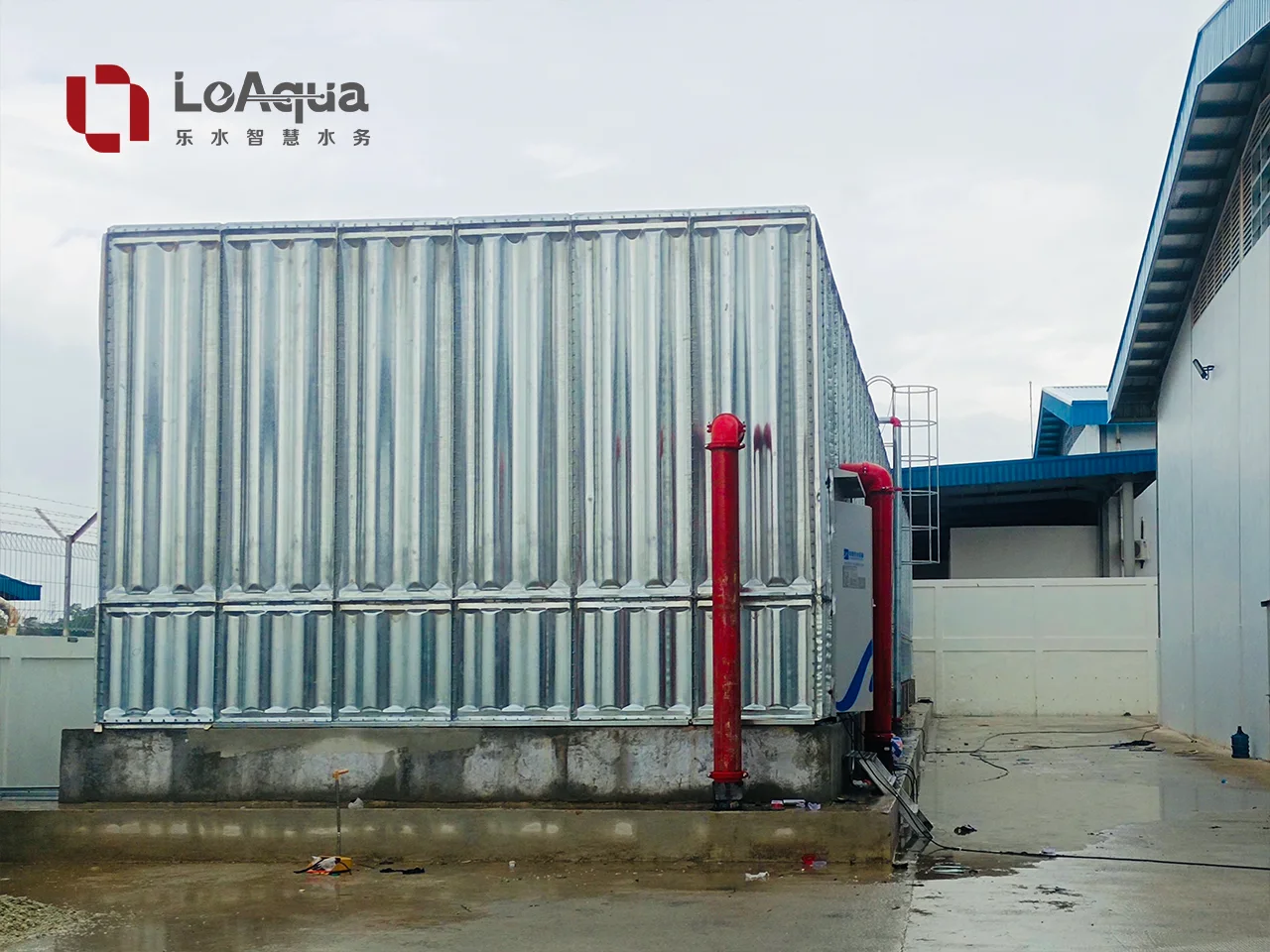
LeAqua has applied external tank-insulation approaches on cold-region projects, including projects in Belarus and Northeast China. The three configurations above show why the proposed build-up should be matched to the project: different insulation cores and protective casings may be considered, while the final specification still depends on design conditions, interfaces and site requirements.
For a project review, share the tank duty and dimensions, site location, operating conditions, connection schedule, required insulation scope and any available drawings. LeAqua can then review the tank-side arrangement and clarify which information remains to be confirmed by the project designer.
Frequently asked questions
Does water tank insulation prevent freezing?
Insulation slows heat transfer but does not add heat to the stored water. Whether it is sufficient depends on the project conditions and operating assumptions; exposed pipework and fittings may need separate protection.
Which is better: rock wool, rubber-plastic foam or polyurethane?
There is no universal best option based on the material name alone. Compare the specified product data, complete casing system, joint and support details, exposure, fire requirements and maintenance needs against the project specification.
Is 201 stainless steel the tank material in the polyurethane option?
In the configuration described here, 201 stainless steel is the external casing around the polyurethane insulation. It is not being identified as the tank’s water-contact panel material.
Related resources
Review LeAqua’s water tank options, the water tank technical submittal checklist and the guide to water tank vent design when coordinating a project specification. Always apply the references and standards required by the project jurisdiction.