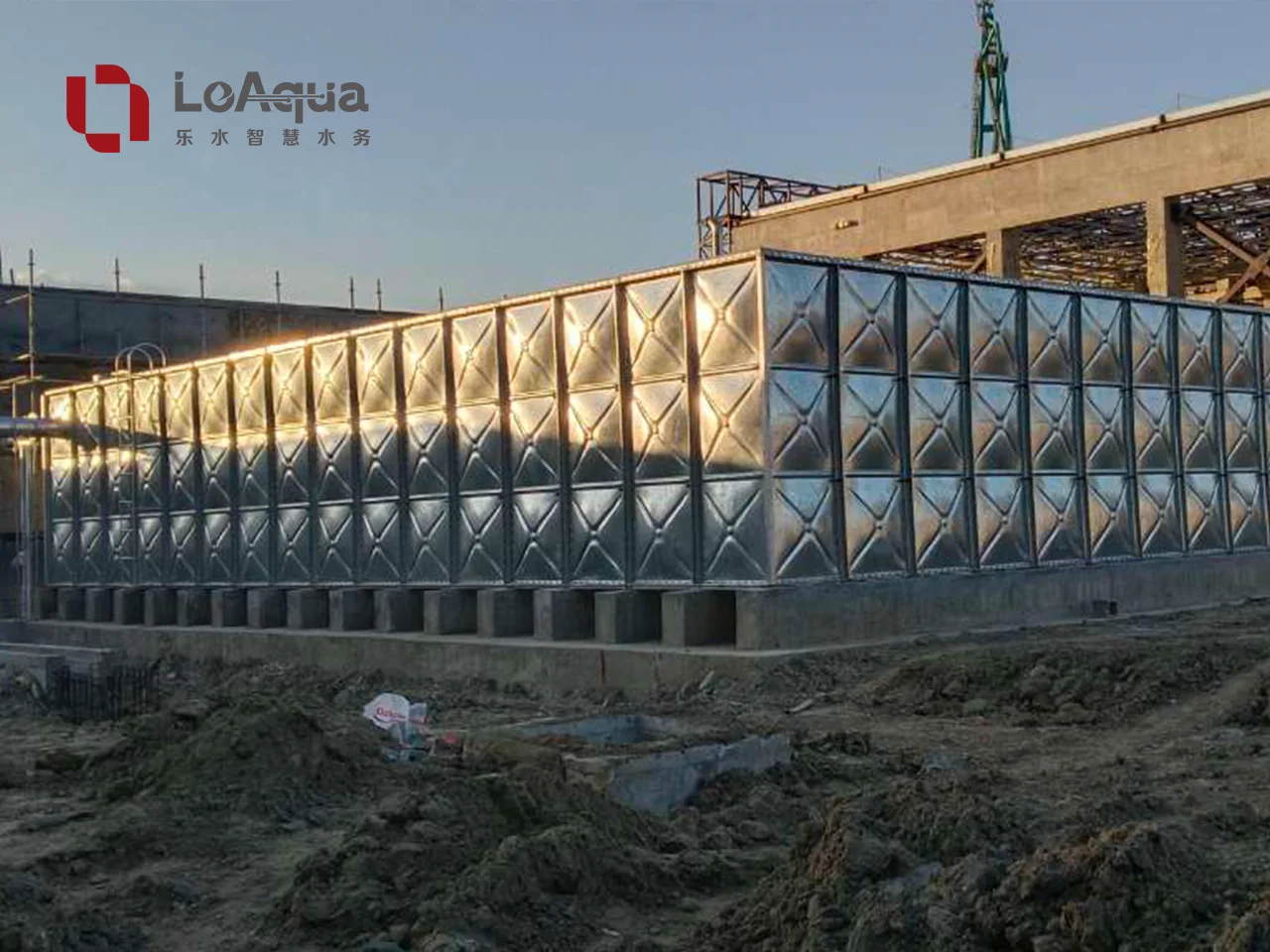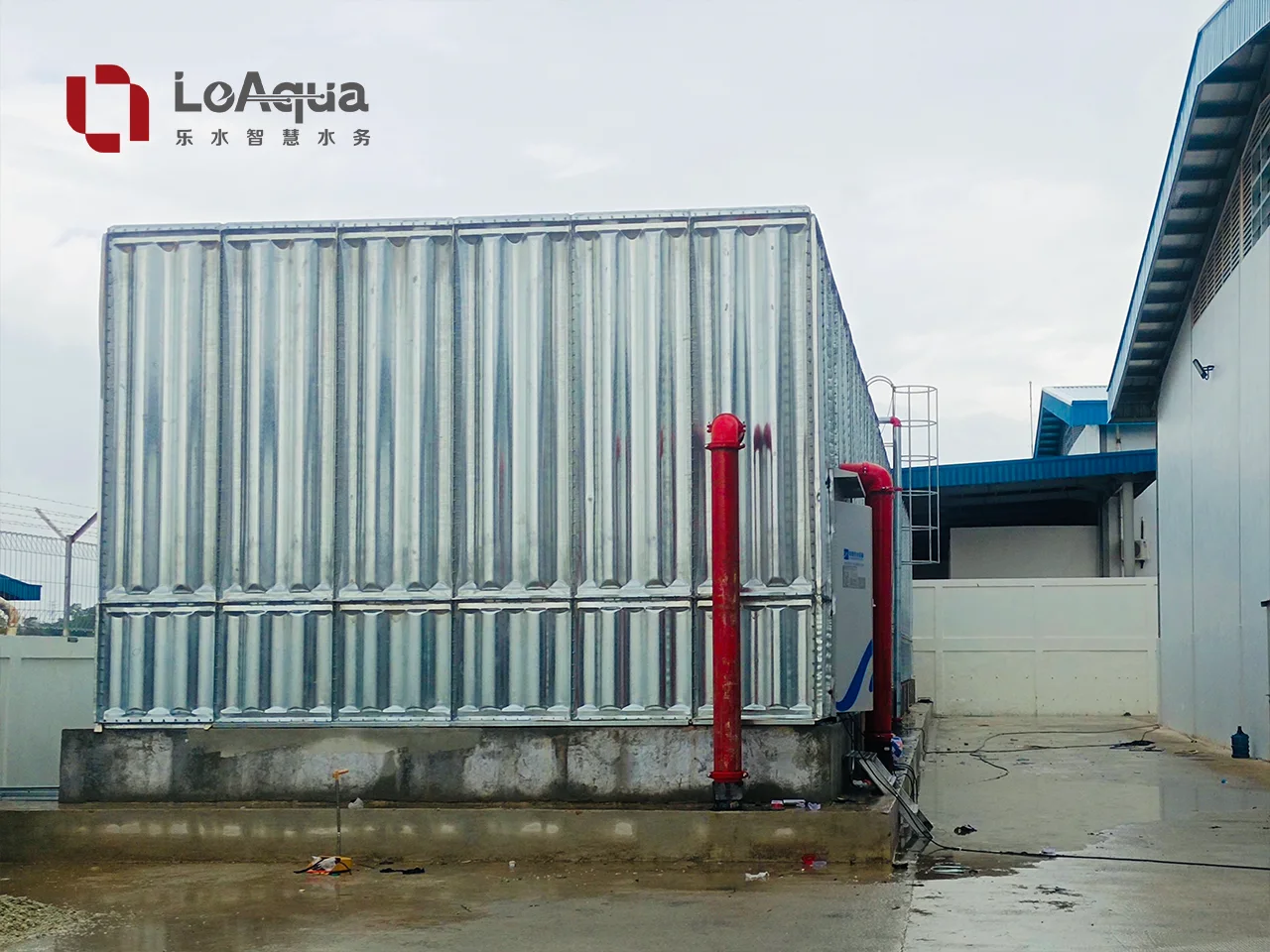
A commercial water tank replacement is rarely a like-for-like swap. The building may still be operating, the route to the tank room may be restrictive, and the existing base or pipework may not match the new tank. A replacement plan should start with the current condition and site constraints—not just the old tank’s nameplate capacity.
This guide is for facility managers, contractors and project buyers preparing a replacement enquiry. It helps organize the checks and information needed before comparing supplier quotations; it is not a structural assessment or a substitute for a site-specific engineering review.
When should a commercial water tank be replaced?
A tank should not be replaced on age alone, and a single visible defect does not automatically prove that replacement is necessary. The decision should consider the tank’s structural and sanitary condition, repair history, operating requirements, availability of parts, inspection findings and the cost and risk of keeping it in service.
For finished-water storage in the United States, the US EPA’s storage facility inspection fact sheet describes inspections as a way to identify water-quality risks and repairs needed to maintain infrastructure integrity. It is guidance for public water systems, not a universal replacement rule for every commercial tank or jurisdiction.
| Possible path | What the project team should establish |
|---|---|
| Keep in service | A competent condition review finds the tank suitable for its duty, with no unresolved issue requiring removal from service. |
| Repair or rehabilitate | The defect and its cause are understood, a suitable repair scope is available, and the repaired tank can be inspected and accepted. |
| Replace | The review identifies integrity, hygiene, reliability or capacity concerns that cannot be acceptably addressed by repair—or the service requirement has materially changed. |
The repair-versus-replacement decision belongs to the responsible owner and qualified technical team. EPA’s broader asset management guidance frames infrastructure decisions around the cost of owning and operating an asset while delivering the required service level; that is a useful planning lens, not a substitute for local rules or tank inspection.
Six checks before requesting a replacement quote
1. Confirm the service and the required usable capacity
Record what the tank stores, the normal and peak demand, operating levels, refill rate and any standby requirement. Do not assume the replacement should use the old tank’s stated volume: confirm the required usable capacity and whether demand, occupancy or system operation has changed.
If the tank supports potable water, include the project’s material, hygiene, cleaning, disinfection and return-to-service requirements. Fire water and process water have different duty and approval considerations; identify the service clearly in the RFQ.
2. Assemble the existing condition and document record
Collect the original drawings, tank model and material data if available, previous inspection and repair records, leak reports, cleaning history, photographs and current operating issues. Ask a qualified tank inspector or engineer to assess items that cannot be confirmed from records or safe external observation.
For potable storage, the US EPA fact sheet lists physical breaches, vent or hatch issues, storm damage, corrosion products, sediment and other water-quality concerns among inspection topics. The relevant checks and legal requirements vary by tank type, water service and location.
3. Measure the complete route to the installation point
Measure the narrowest door, corridor, stair, lift, hatch or roof opening—not only the tank room. Note turning space, overhead clearance, floor loading limits, crane access and temporary storage space for components. A sectional tank may be assembled on site, but the proposed panels, tools and installation method still need a feasible route and suitable working area.
4. Recheck the foundation and supporting structure
An existing slab or support frame is not automatically suitable for a new tank, even if the replacement has a similar capacity. Confirm dimensions, support layout, level, visible damage, access below or around the base and the design loads for the proposed filled tank. The project’s structural engineer should determine whether the existing support can be reused or needs modification.
Use the sectional tank foundation guide as a coordination reference, not as a site-specific foundation design.
5. Map pipework, pumps, controls and access
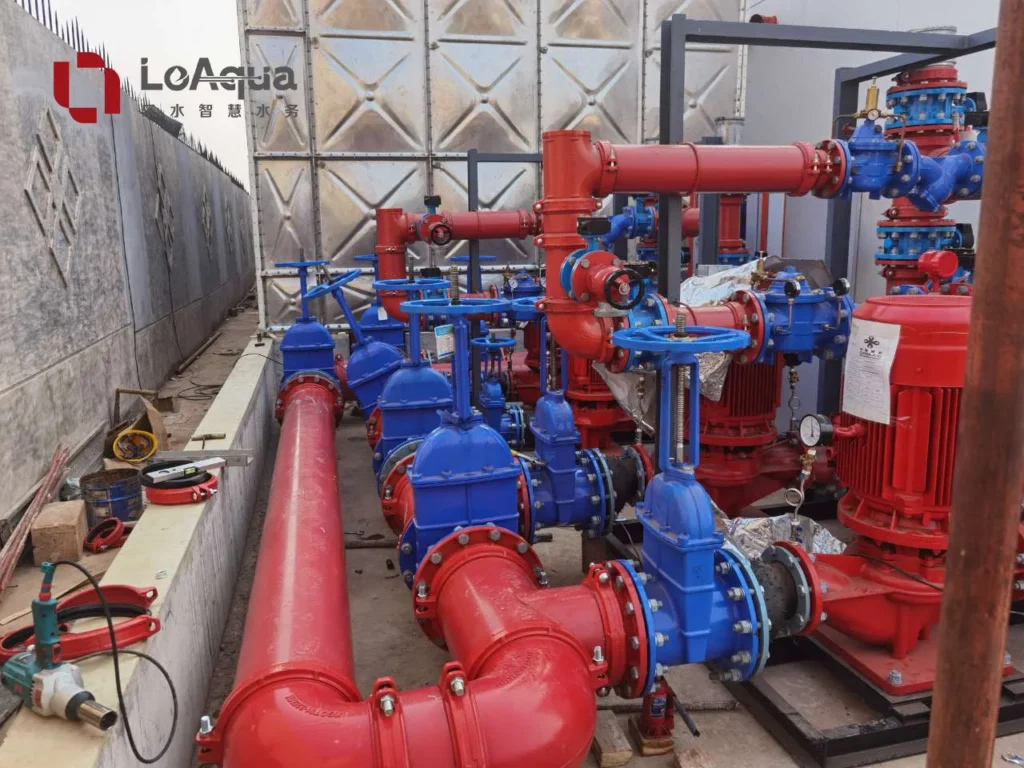
Document the inlet, outlet, overflow, drain, vent, level sensor, pump suction and isolation points, including sizes and connection standards where known. Check whether the existing pipework can align with the new tank without placing unintended loads on its nozzles, and confirm room for pump servicing, valve operation and future inspection.
If retaining the existing pump, verify its operating duty against the revised tank levels and suction arrangement rather than assuming it remains suitable. LeAqua’s pump suction design guide covers the tank-to-pump interface.
6. Plan service continuity and the actual replacement scope
Agree how the building will receive water while the old tank is isolated, drained and removed and the new tank is installed, tested and returned to service. Possible measures include a planned outage, staged work or temporary supply, but each depends on site conditions, water quality controls, approvals and the facility’s operating needs. Do not promise zero downtime before the sequence has been checked.
Ask each bidder to state whether the price includes removal and disposal of the old tank, temporary water arrangements, foundation changes, pipework modifications, lifting, installation, testing, cleaning or disinfection, commissioning and handover records. This helps avoid comparing a tank-only price with a complete installed scope. See the related guide to water tank installation cost factors.
What to include in a replacement RFQ
- Tank service, required nominal and usable capacity, and operating levels.
- Existing tank drawings, dimensions, material and inspection or repair history.
- Photos and measured access route from delivery point to installation location.
- Foundation or support information and any available structural review.
- Pipe connection schedule, pump duty and control or level-signal requirements.
- Required outage window, continuity arrangement, installation responsibility and acceptance records.
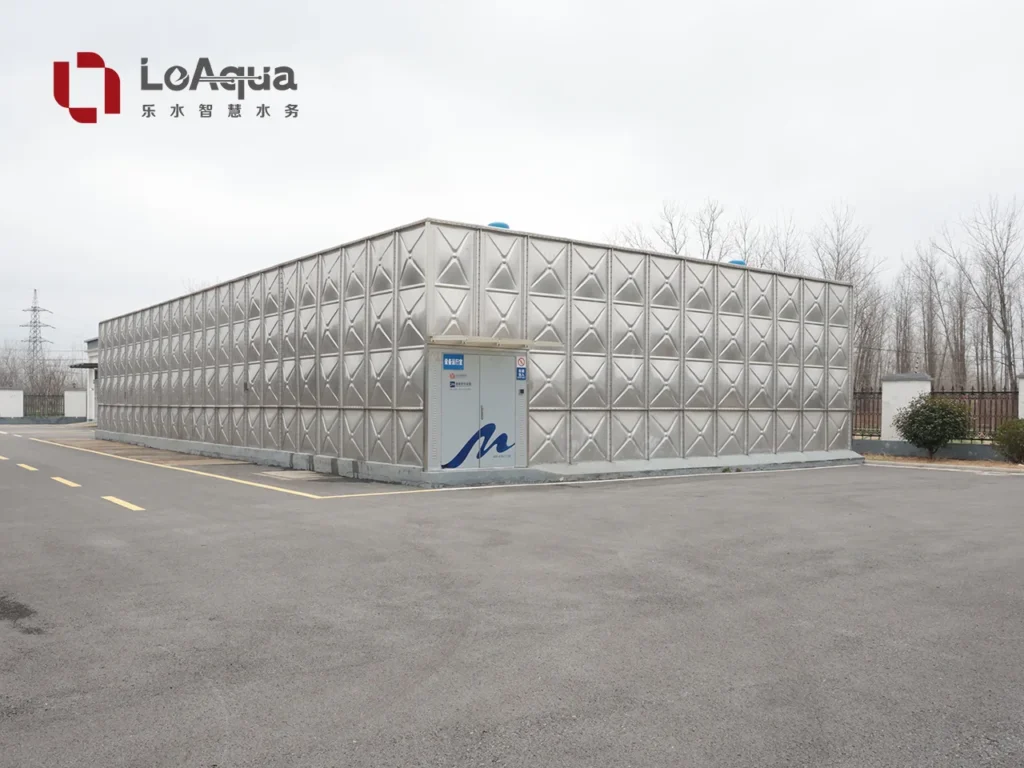
LeAqua’s published range includes modular stainless steel, composite and GRP/FRP water tanks. Which configuration is suitable depends on the water service, site access, support arrangement and project requirements—not on material preference alone. For a preliminary review, send the existing tank details, site photos, connection information and allowed outage window.