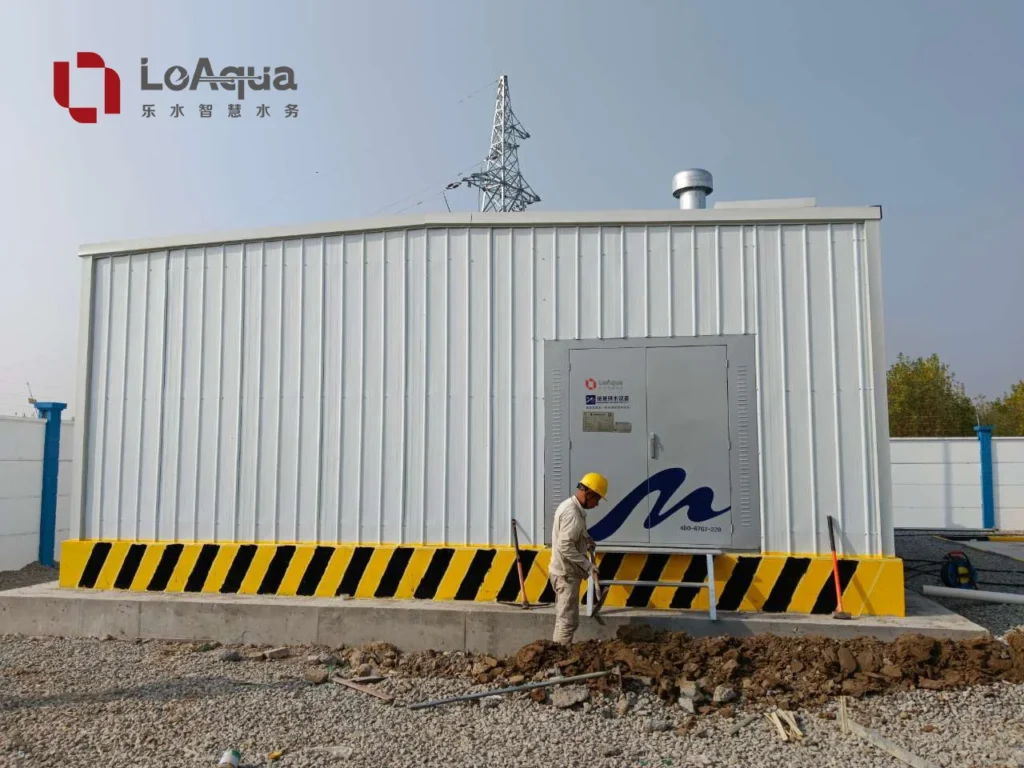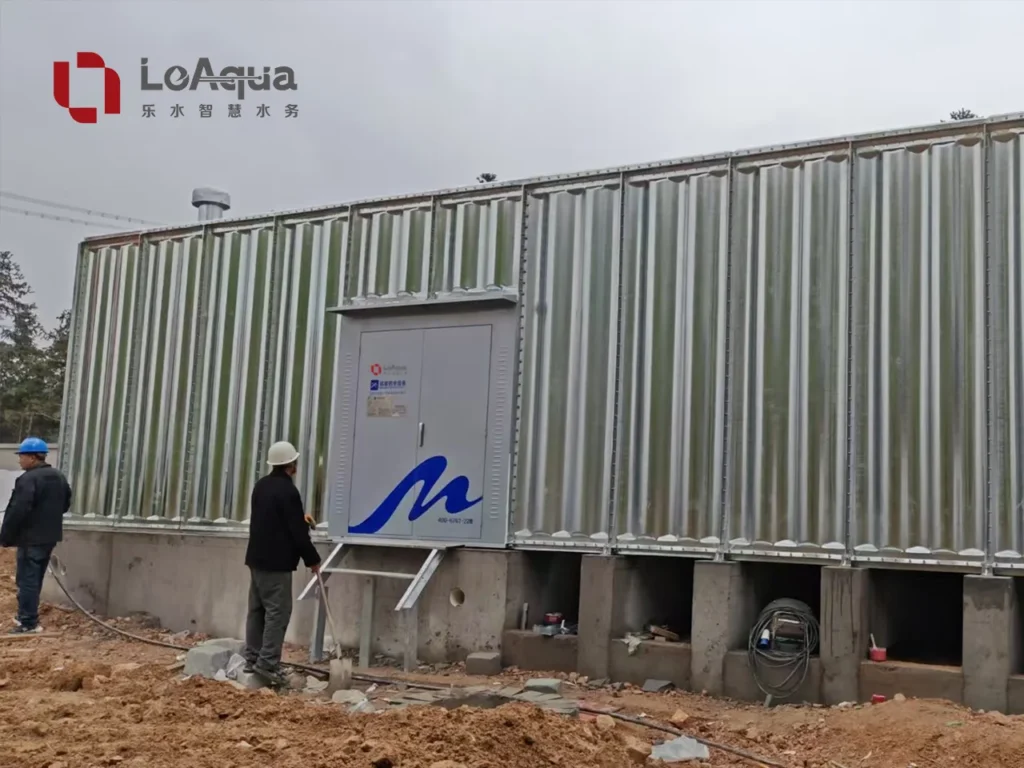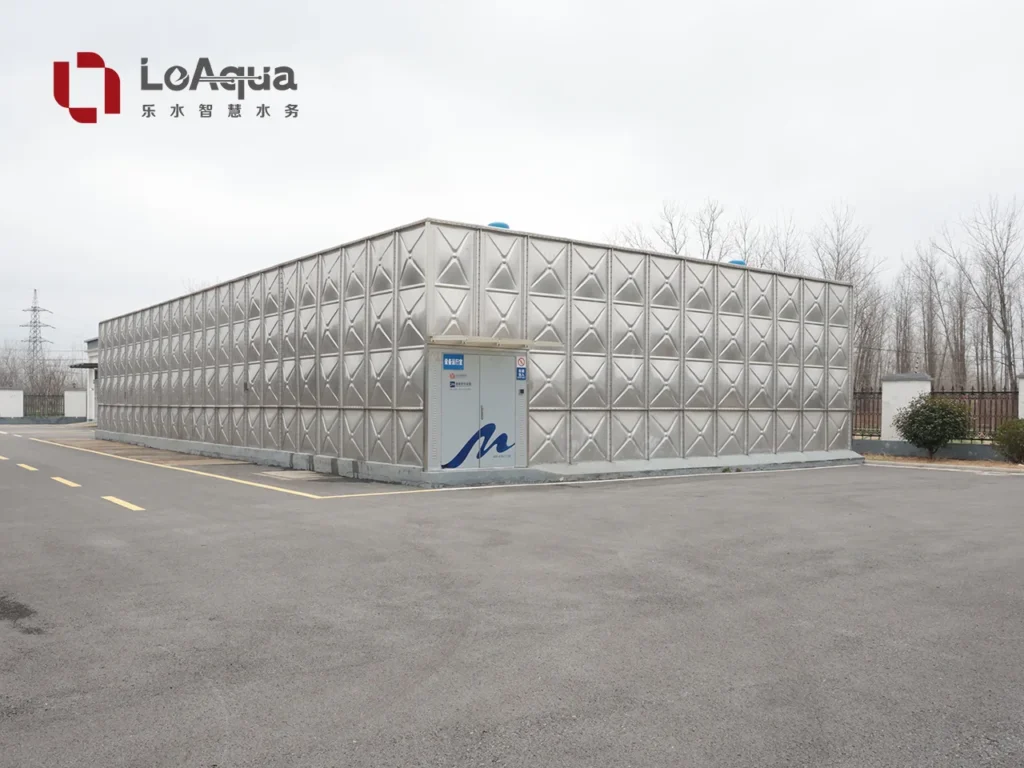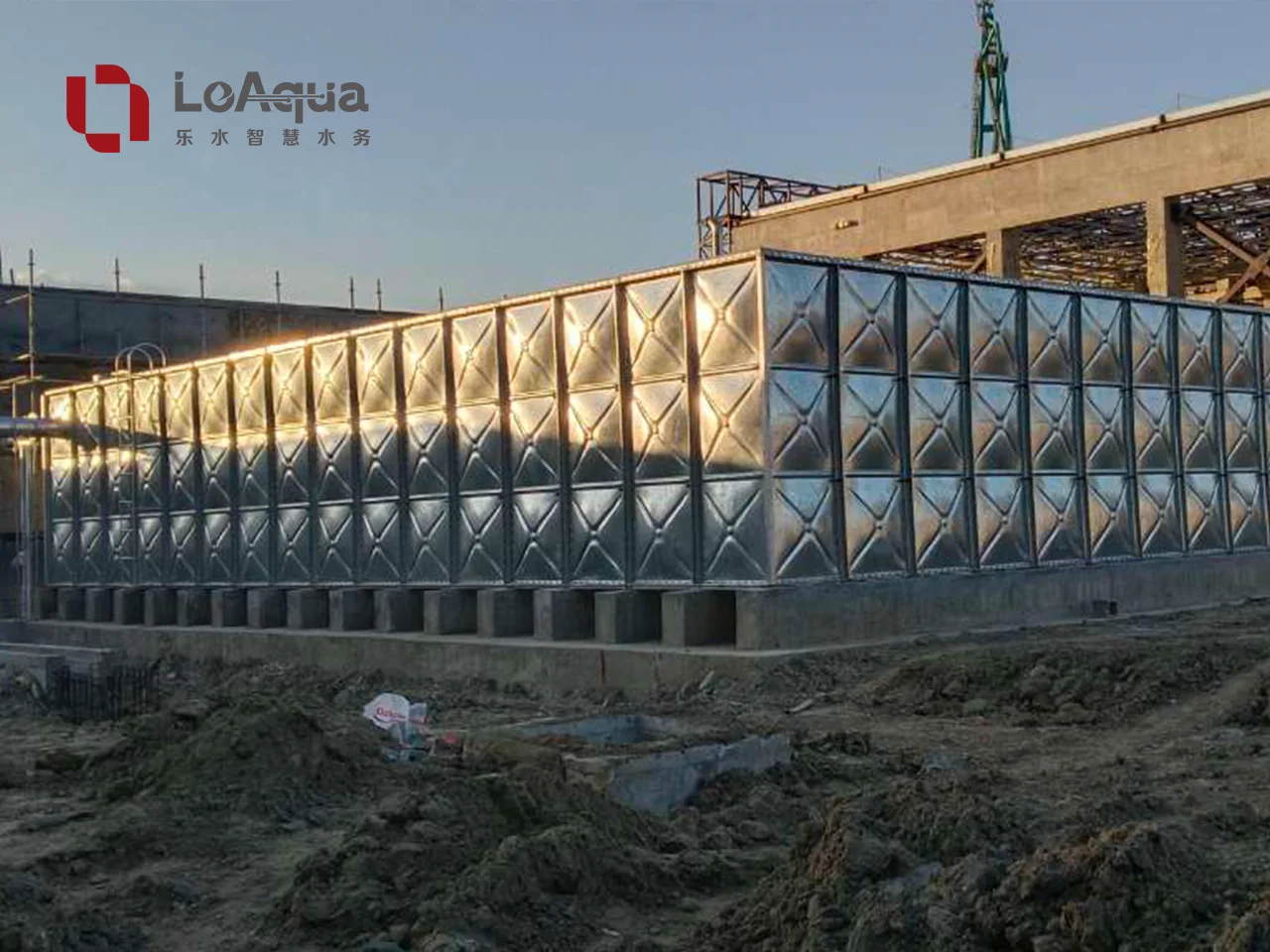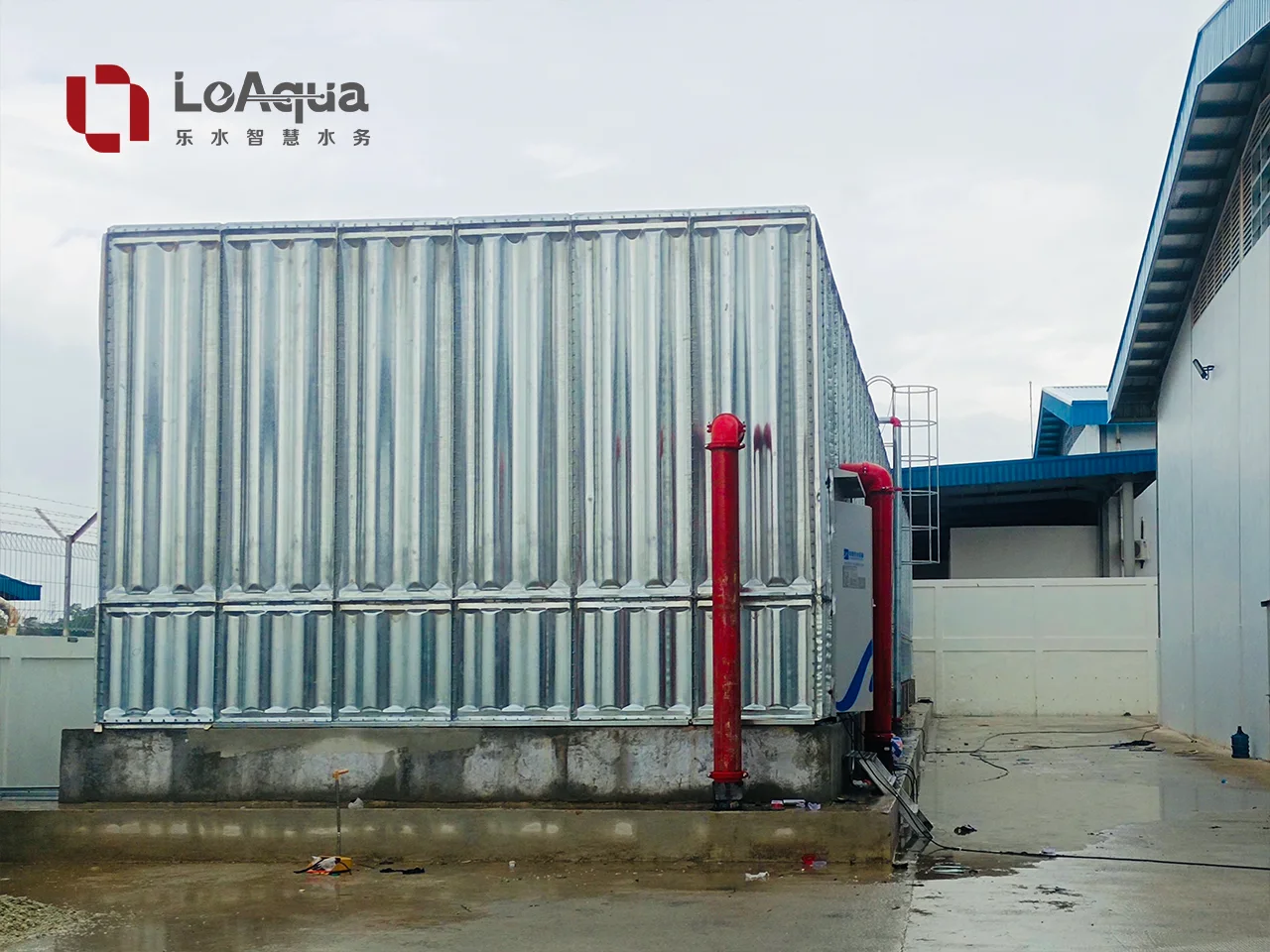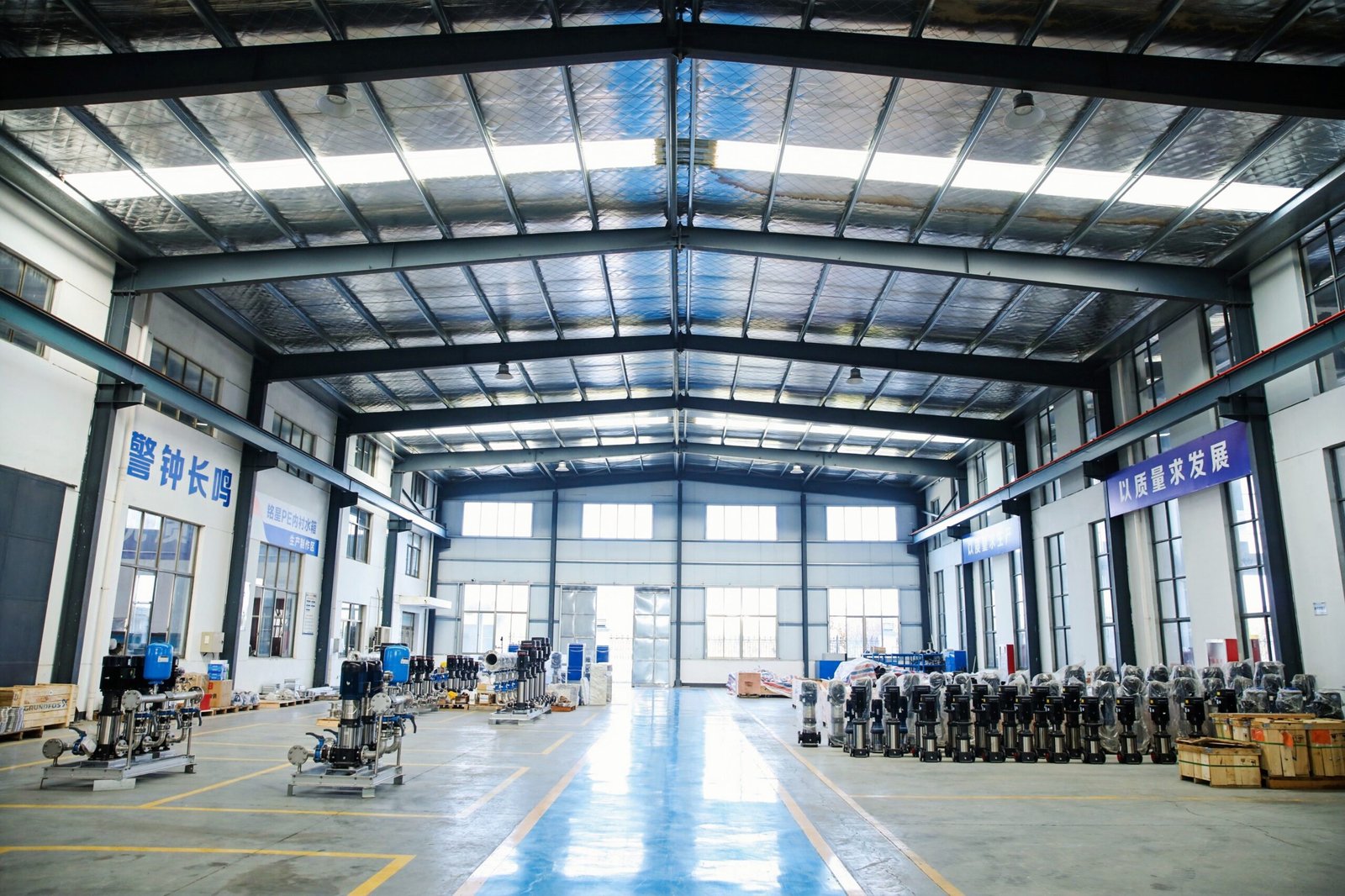
A two-compartment water tank can allow one section to remain in service while the other is cleaned. That depends on a watertight partition designed for unequal water levels, effective isolation of each compartment, and enough usable storage and refill capacity on the operating side.
For a hotel, hospital or factory, the practical question is whether the building can manage while part of its storage is unavailable. Adding a partition addresses only part of that problem.
What Is a Two-Compartment Water Tank?
A two-compartment water tank divides a single tank into separate storage sections using an internal partition. Each section intended for independent maintenance needs suitable access, drainage and connections that allow it to be isolated from the operating section.
A baffle that directs water through a tank serves a different purpose. If water can pass freely between the sections, the tank cannot be treated as two independently drainable compartments.
Check Available Water During Maintenance
Start with the demand that must be supplied while one compartment is out of service. Include the time needed for draining, cleaning, disinfection where required, refilling and release back into use.
Compare that demand with the remaining compartment’s usable volume and reliable incoming supply. Check the pump operating limits as well: water below the minimum usable level cannot be counted as available storage.
For example, if two equal compartments provide 100 m³ of effective storage together, isolating one leaves 50 m³ before any additional operating restrictions. Whether that is enough depends on demand, refill rate and the maintenance period. This is an illustrative split, not a sizing recommendation.
The difference between nominal and effective water tank capacity matters here. Use the available volume of the operating compartment when assessing continuity.
The Partition Must Handle Unequal Water Levels
When both compartments contain water at the same level, pressure acts on both sides of the partition. Emptying one compartment changes that loading condition: the partition must resist the water pressure from the full side.
State this requirement in the enquiry: one compartment must be able to remain at its approved operating level while the adjacent compartment is empty. Ask the supplier to confirm the partition, seals, reinforcement and supporting structure for that condition.
An internal wall shown on a drawing does not by itself confirm suitability for independent maintenance. Its design duty must be explicit.
Confirm How Each Compartment Is Isolated
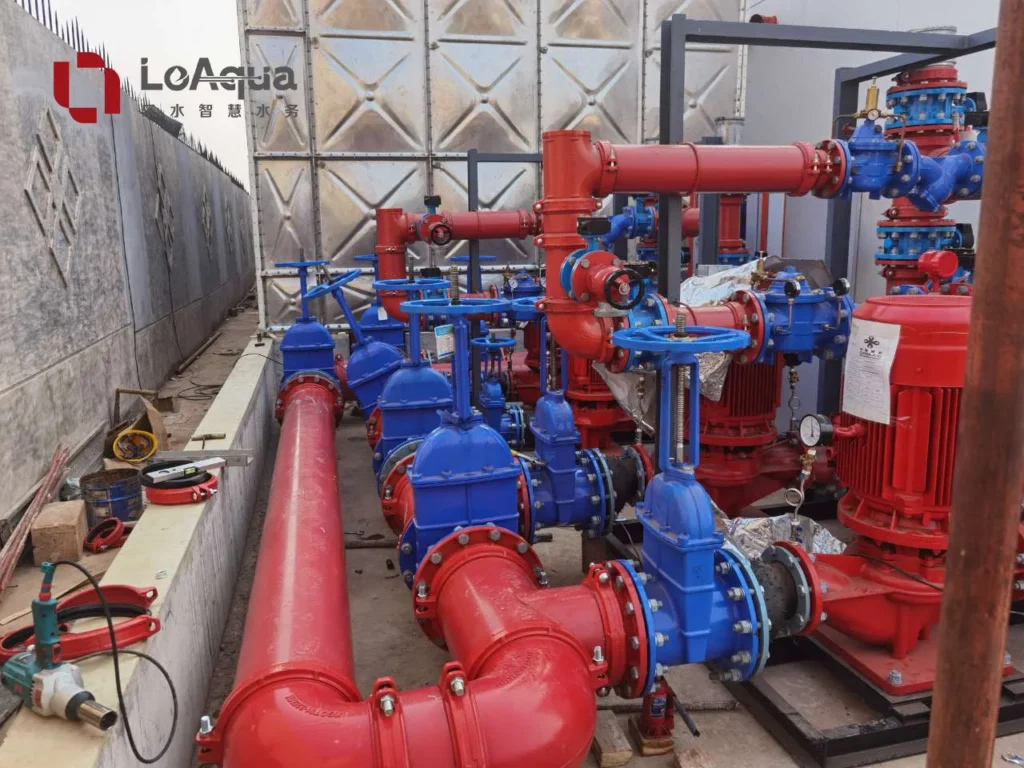
Review the piping diagram alongside the tank drawing. Shared pipework can reconnect two compartments even when the partition itself is watertight.
| Item | What buyers should confirm |
|---|---|
| Inlet | Filling the isolated compartment can be stopped while the operating side receives water. |
| Outlet and pump suction | The operating compartment can feed the required service with the other side isolated. |
| Balance or interconnecting pipe | The connection can be positively isolated under the maintenance procedure. |
| Drain and overflow | Drain-down and overflow arrangements preserve the required separation between compartments. |
| Level controls | Alarms, refill controls and pump protection respond correctly with one side empty. |
| Access | Each compartment can be inspected and cleaned without passing through the operating side. |
Valve positions should be identified on the operating procedure. Pipe supports, maintenance access and the response to an unexpected low level also need coordination. The water tank connection specification guide covers those interfaces in more detail.
Keep Both Compartments in Regular Use
For potable water, routine operation must also address water movement. Keeping one compartment full as an unused standby can create stagnation unless the water-management plan controls that condition.
The UK’s HSE guidance on hot and cold water systems advises arranging multiple cold-water storage tanks so each fills uniformly and water is drawn through each. For a divided tank, similarly review how water enters and leaves each compartment during normal use. This is a useful design reference; local drinking-water requirements still apply.
During cleaning, prevent wash water, cleaning chemicals and debris from reaching the compartment in service. The procedure must cover safe isolation and access, and define the cleaning, disinfection and water-quality checks needed before reconnection.
One Divided Tank or Two Separate Tanks?
A divided tank shares an enclosure and may suit a constrained plant-room layout. It also introduces a partition, additional connections and isolation requirements, which affect the quotation and maintenance procedure.
Two separate tanks provide separate enclosures and can make future replacement more independent. They may need more space for access and connecting pipework. Common pumps, power or headers can still affect both tanks, so separate vessels alone do not establish full system redundancy.
Compare the complete layouts and supply scopes. Neither arrangement guarantees uninterrupted service without the required capacity and operating provisions.
What to Specify Before Requesting a Quotation
Send the supplier:
- Required effective capacity in normal operation and during maintenance
- Demand and reliable refill rate while one compartment is isolated
- Proposed compartment sizes and maximum operating levels
- Confirmation that one side must operate while the other is empty
- Inlet, outlet, balance-pipe, drain and control arrangements
- Available footprint, access space and potable-water requirements
Ask for the partition, valves, instruments and associated installation work to be identified in the supply scope. For a combined potable and fire-water installation, the responsible designers must also confirm that maintenance does not compromise the required fire reserve or contaminate potable water.
Send your capacity requirement, layout and maintenance scenario to LeAqua for a project review. Use those inputs to establish the proposed tank arrangement and the interfaces that need approval before ordering.