A water tank quotation can look simple from the buyer’s side.
A project team may send an email saying:
“We need a 500 m³ stainless steel water tank. Please send your best price.”
The manufacturer can certainly provide a price.
The problem is that the price may not describe the same product the buyer actually needs.
A tank quotation depends on much more than storage volume.
Material, dimensions, installation conditions, connections, accessories, standards and delivery requirements can all change the final configuration.
This is why a good water tank quotation starts with good project information.
For overseas projects in particular, a clear request for quotation (RFQ) helps the buyer compare suppliers on the same technical basis rather than comparing several prices for slightly different products.
Public procurement RFQs commonly separate functional requirements, technical specifications, delivery requirements and warranty or commercial conditions for this reason.
So, what information should you send to a water tank manufacturer before asking for a quotation?
1. Required Water Tank Capacity
The first item is the required storage capacity.
Give the manufacturer the capacity in a clear unit, such as:
- m³
- litres
- gallons
More importantly, clarify whether the figure refers to nominal capacity or required usable capacity.
For some projects, the difference matters because operating levels, freeboard, reserve volume and connection arrangements can affect how much water is actually available.
If the capacity has already been determined by a consultant or hydraulic calculation, include that information with the RFQ.
If the capacity has not been finalized, tell the manufacturer that you need engineering assistance rather than presenting an uncertain number as a fixed requirement.
2. What Will the Water Be Used For?
A manufacturer also needs to know the application.
For example:
- Potable water
- Fire protection
- Domestic water
- Industrial water
- Process water
- Irrigation
- Other utility water
This does not mean that one tank type can only be used for one application.
Instead, the application helps the manufacturer understand the requirements that may affect:
- Material selection
- Internal finish
- Tank configuration
- Connections
- Accessories
- Documentation
A fire water tank, for example, may need to be coordinated with a fire pump system.
A potable water project may require specific documentation for materials that come into contact with drinking water.
Without knowing the application, the manufacturer may have to make assumptions that later change the quotation.
3. Available Space and Maximum Dimensions
Capacity alone is rarely enough information to determine the final tank dimensions.
The manufacturer should also know the space available at the installation site.
Useful information includes:
- Maximum length
- Maximum width
- Maximum height
- Available installation footprint
- Indoor or outdoor location
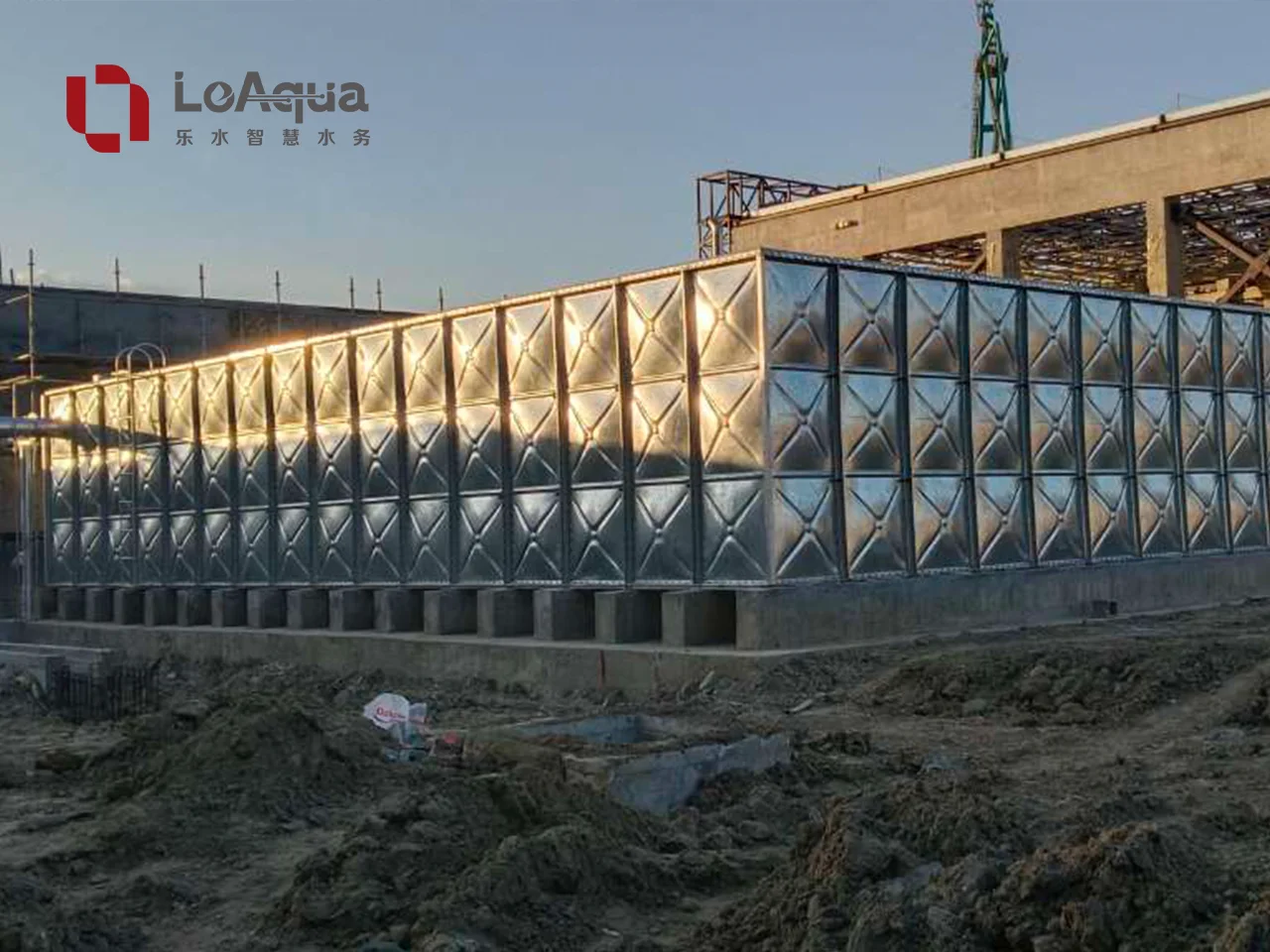
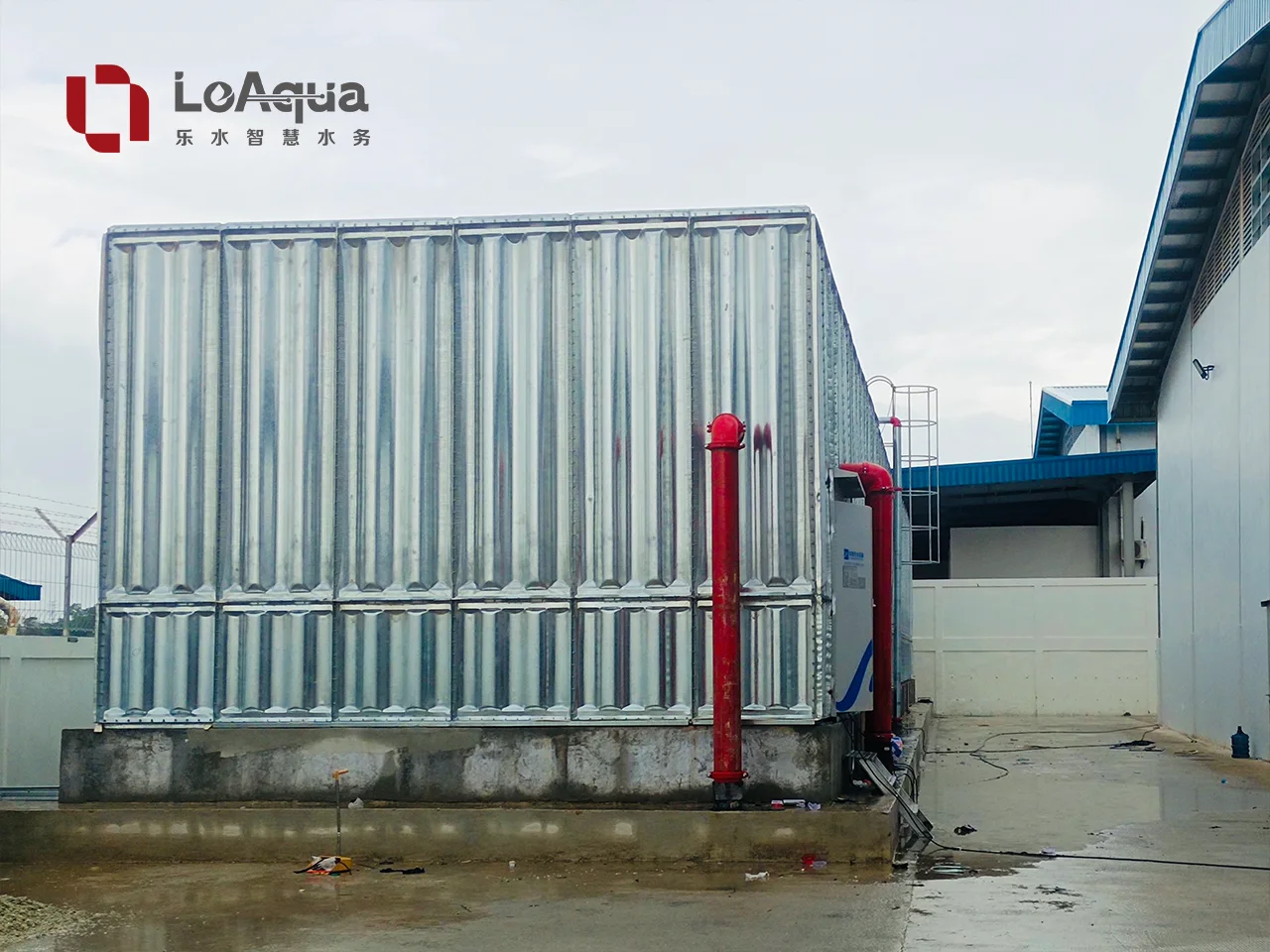
For a modular tank, these dimensions can be especially important because the manufacturer may be able to change the panel arrangement to fit the site.
If the tank is being installed inside a building, also provide the dimensions of the access route where possible.
For example:
- Door width
- Lift dimensions
- Stairway access
- Mechanical-room entrance
A tank that fits the room but cannot get through the building entrance is not a useful quotation.
4. Installation Environment
The manufacturer should know where the tank will be installed.
Common conditions include:
- Above ground
- Underground
- Indoor
- Outdoor
- Rooftop
- Basement
Environmental conditions also matter.
Tell the supplier when the site has factors such as:
- Coastal exposure
- High humidity
- High temperatures
- Corrosive atmosphere
- Low temperatures
- Significant groundwater
This information can affect material selection and structural requirements.
For underground installations, additional information about soil, groundwater and surface loading may be necessary.
For rooftop installations, structural loading and access become important parts of the review.
5. Preferred Material and Stainless Steel Grade
When requesting a stainless steel water tank quotation, specify the required material grade when the project specification has already defined it.
Typical requirements may include:
- SUS304 / 304
- SUS316 / 316
- Other specified grades
If the grade has not yet been decided, provide enough information for the manufacturer to evaluate the environment.
Useful information may include:
- Water chemistry
- Chloride exposure
- Temperature
- Coastal conditions
- Cleaning chemicals
This is better than simply asking:
“Please quote 304 and 316.”
A technical supplier should be able to explain why one grade may be more appropriate for the actual project conditions.
6. Tank Connections and Nozzle Requirements
Connection details are one of the easiest things to overlook when requesting a quotation.
At minimum, the manufacturer should know the required:
- Inlet
- Outlet
- Overflow
- Drain
- Vent
- Manhole
Additional connections may be required for:
- Level sensors
- Sampling
- Recirculation
- Fire pump suction
- Other instruments
For each important connection, provide the available information about:
- Size
- Location
- Elevation
- Orientation
- Flange standard
A nozzle schedule or marked-up drawing is especially useful for larger projects.
Without connection information, the manufacturer may be able to price the tank itself, but the quotation may not represent the final installation scope.
7. Does the Tank Need to Work With a Pump System?
This question deserves to be asked before the quotation is finalized.
A tank may be part of a much larger water supply system.
Tell the manufacturer when the project includes:
- Booster pumps
- Fire pumps
- Duty and standby pumps
- Pressure control
- Automatic operation
- Remote monitoring
Useful pump information can include:
- Required flow
- Required head
- Number of pumps
- Suction arrangement
- Pump room location
This allows the manufacturer to review the relationship between storage and water delivery.
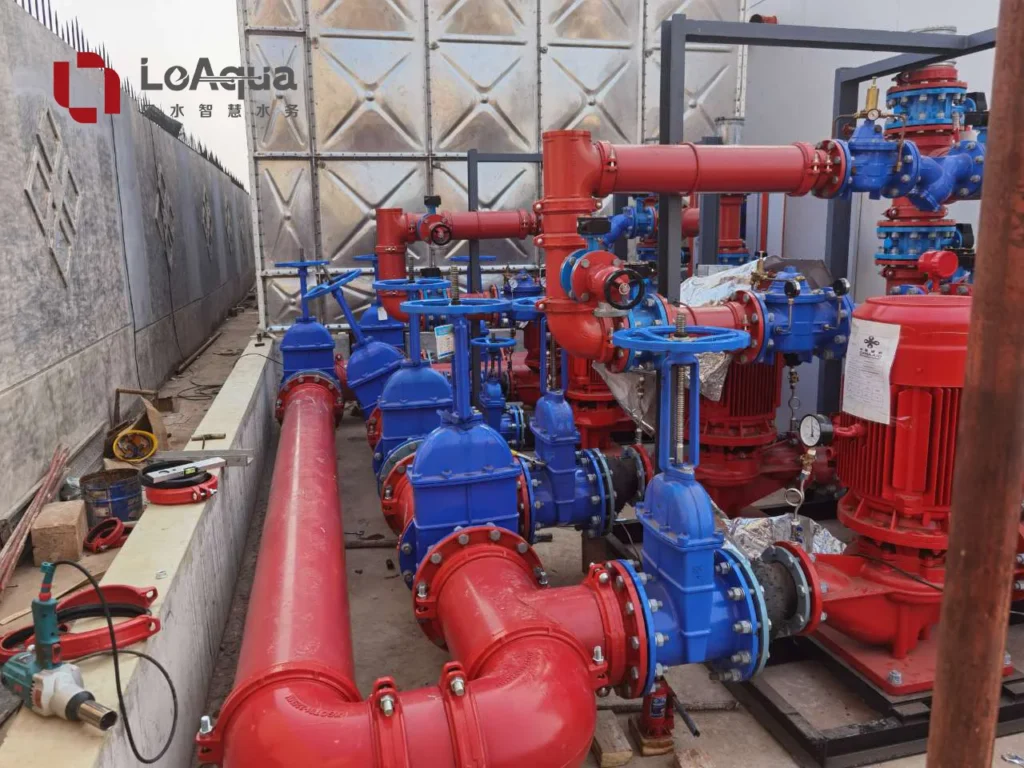
For projects where tank, pumps, controls and monitoring are being developed together, it may be more appropriate to request a quotation for a water tank with pump system or an integrated water supply solution rather than pricing the tank as a standalone product.
8. Applicable Standards and Project Specifications
Tell the manufacturer which standards or project specifications apply.
This may include:
- National standards
- Local building codes
- Fire protection requirements
- Consultant specifications
- Client specifications
- Material approval requirements
For an international project, also state the destination country.
Do not assume that a standard used in one country automatically satisfies the requirements in another.
A good RFQ should make the applicable compliance route clear before the manufacturer prepares the final technical proposal.
If the project requires specific certifications or documentation, state them at the RFQ stage.
This can prevent a situation where the equipment price looks attractive but the required approval documents were never included in the original scope.
9. Delivery Location and Project Schedule
A quotation also needs enough commercial information to estimate delivery properly.
Provide:
- Country
- City or project location
- Required delivery date
- Preferred shipping method, if known
- Incoterm, if already specified
The delivery location can influence:
- Packing
- Container loading
- Transportation cost
- Documentation
- Delivery schedule
For modular water tanks, shipping individual panels can make transportation different from shipping a completed large tank.
The manufacturer therefore needs to understand the actual delivery conditions before giving a final commercial quotation.
10. Define What Is Included in the Price
Two suppliers can quote the same tank capacity and still provide very different scopes.
Before comparing prices, ask what is included.
For example:
- Tank panels
- Bolts and fasteners
- Sealing materials
- Internal supports
- Ladder
- Manhole
- Level indicator
- Flanges
- Pipes and valves
- Insulation
- Foundation work
- Installation
- Testing
- Commissioning
Also clarify whether the quotation includes engineering documents and installation drawings.
A lower quotation is not necessarily lower in total project cost if important items have simply been excluded.
A Simple RFQ Information Checklist
Before sending an inquiry, the project team can prepare the following:
| Information | What to Provide |
|---|---|
| Capacity | Required nominal or usable volume |
| Application | Potable, fire, industrial, process, etc. |
| Location | Country and project site |
| Dimensions | Maximum L × W × H |
| Installation | Indoor, outdoor, underground, rooftop, etc. |
| Environment | Coastal, corrosive, temperature, groundwater |
| Material | 304, 316 or supplier recommendation |
| Connections | Inlet, outlet, overflow, drain, vent, instruments |
| Pump system | Flow, head and pump arrangement if applicable |
| Standards | Applicable codes and project specifications |
| Accessories | Ladder, level indicator, platforms, etc. |
| Documentation | Drawings, certificates, inspection records |
| Delivery | Destination and required delivery date |
| Scope | Supply only, installation, testing or complete package |
The more complete the information, the easier it becomes for different manufacturers to quote comparable scopes.
What Happens After the RFQ Is Sent?
For a simple standard tank, the next step may simply be a commercial quotation.
For a project-based order, however, a technical review should normally happen first.
The manufacturer may identify questions about:
- Capacity
- Tank dimensions
- Panel configuration
- Connections
- Material
- Foundation
- Pump compatibility
- Standards
This is an important part of the process.
At LeAqua, project information can be reviewed before the final tank configuration is confirmed. Depending on the project, the discussion may extend from water storage to pump selection, control requirements and remote monitoring.
That means the quotation is not simply a price for a tank.
It can become the first engineering review of the proposed water storage system.
Final Thoughts
A good water tank quotation starts before the price is calculated.
The manufacturer needs enough information to understand:
What is being stored, how much is required, where the tank will be installed, how it will connect to the system and what the project requires from the supplier.
Providing this information early makes quotations easier to compare and reduces the risk of changes after the order has been placed.
For complex projects, the best RFQ is not necessarily the longest one.
It is the one that gives the manufacturer the information needed to understand the actual engineering requirement.