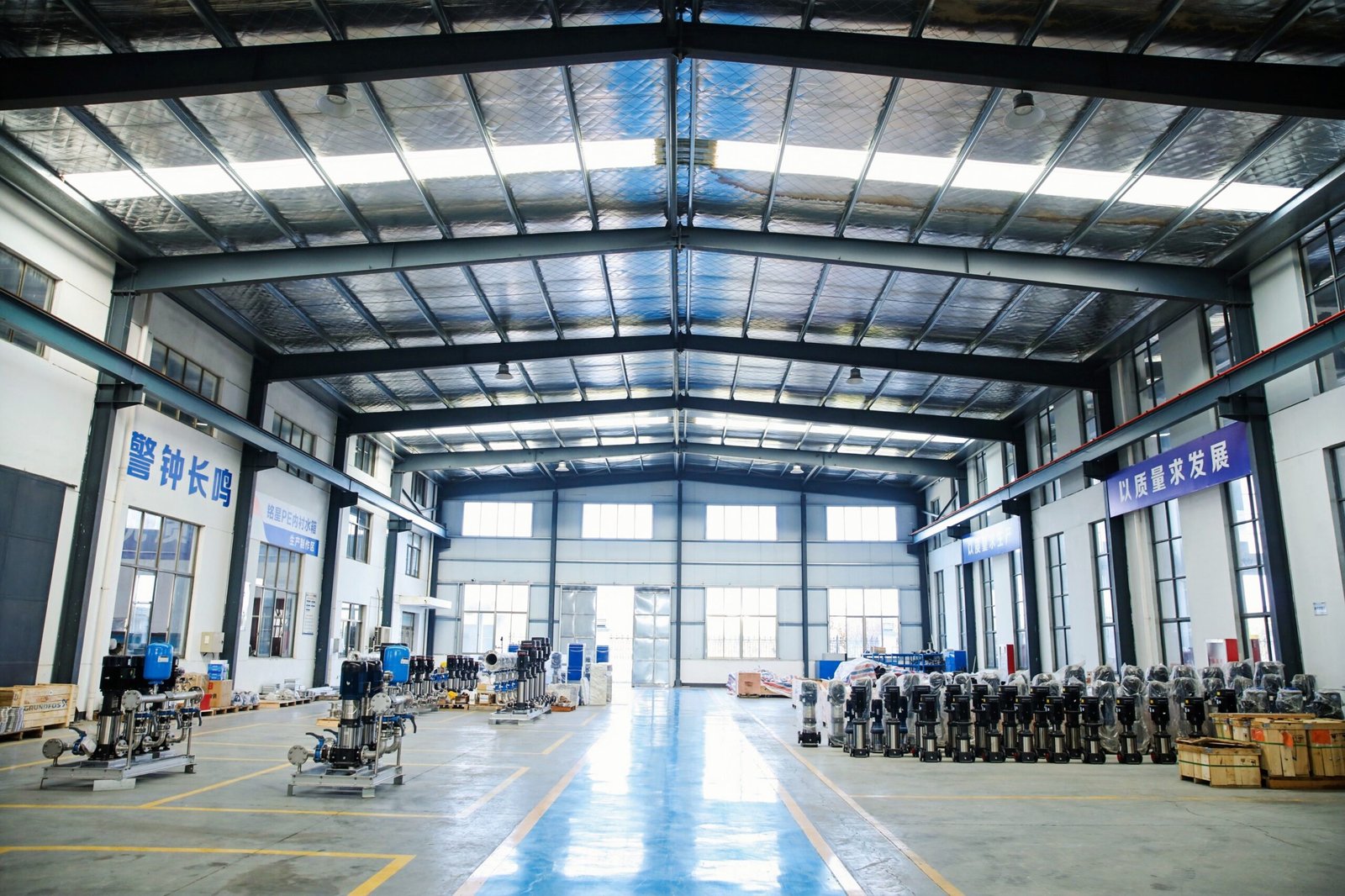
Water storage requirements continue to change as infrastructure becomes more connected and project expectations continue to rise.
Today, project owners are no longer selecting water tanks based only on volume.
Instead, decisions increasingly consider lifecycle performance, installation flexibility, and long-term operational planning.
This trend has contributed to growing interest in stainless water tank solutions.
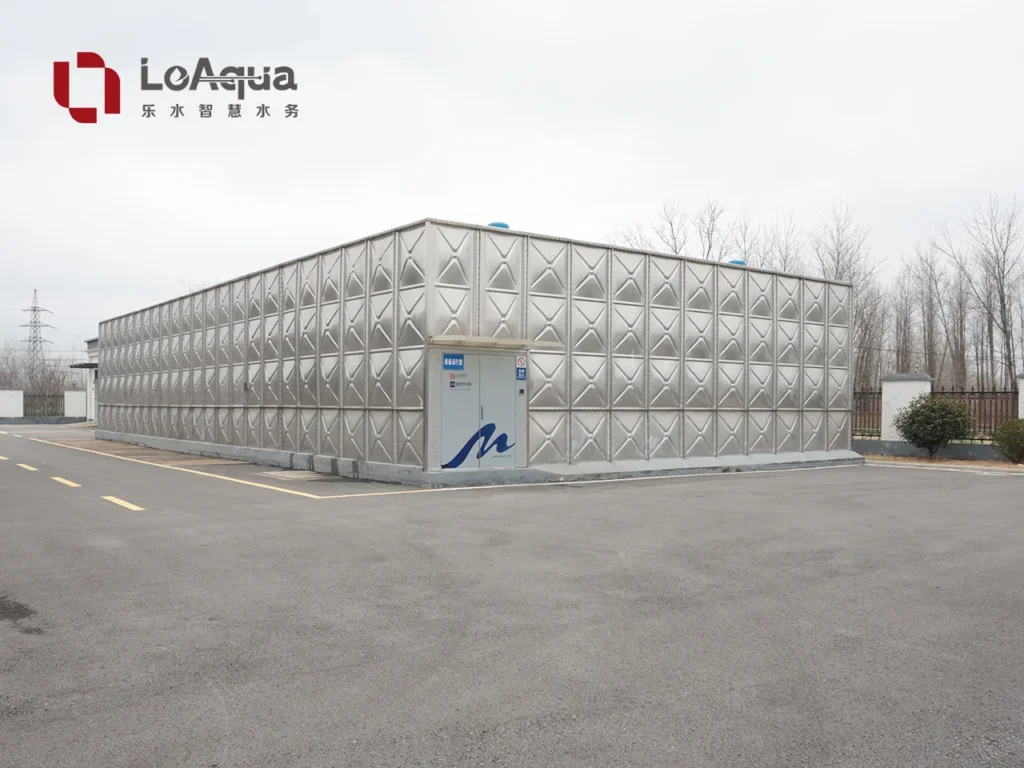
In most modern applications, this term generally refers to stainless steel water tanks designed for dependable water storage.
LeAqua develops water storage systems intended to support these evolving infrastructure requirements.
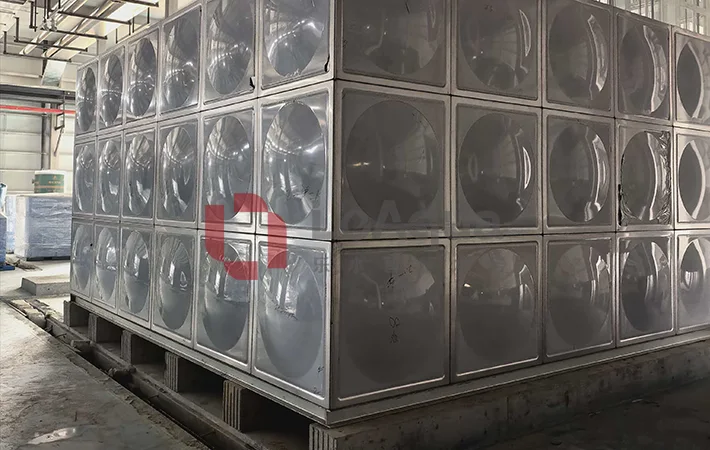
Water Storage Is Becoming Infrastructure
Historically, water tanks were often viewed as standalone equipment.
Modern projects increasingly treat water storage as part of an integrated operating environment.
Water tanks may support:
- Domestic supply
- Fire reserve systems
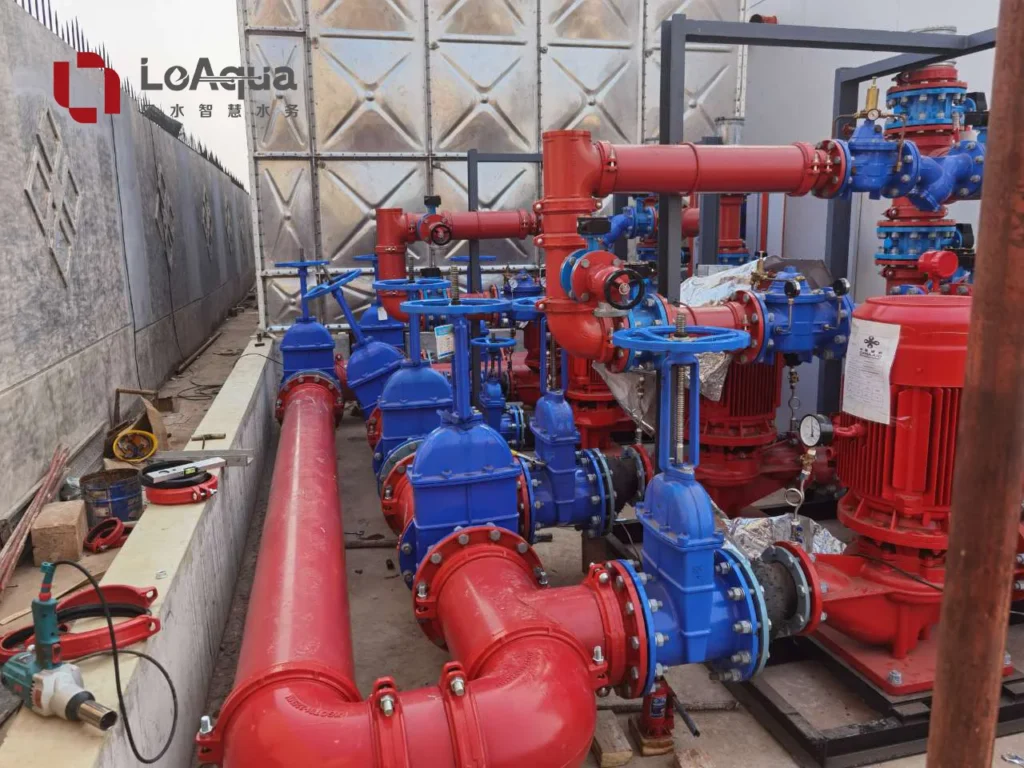
- Pump infrastructure
- Utility operation
- Building services
This broader role changes how water storage systems are evaluated.
Installation Flexibility Matters More Than Before
Construction environments continue to evolve.
Projects frequently face:
- Limited access
- Equipment coordination
- Structural constraints
- Future adaptation requirements
Water storage solutions increasingly need to support these conditions while maintaining reliable operation.
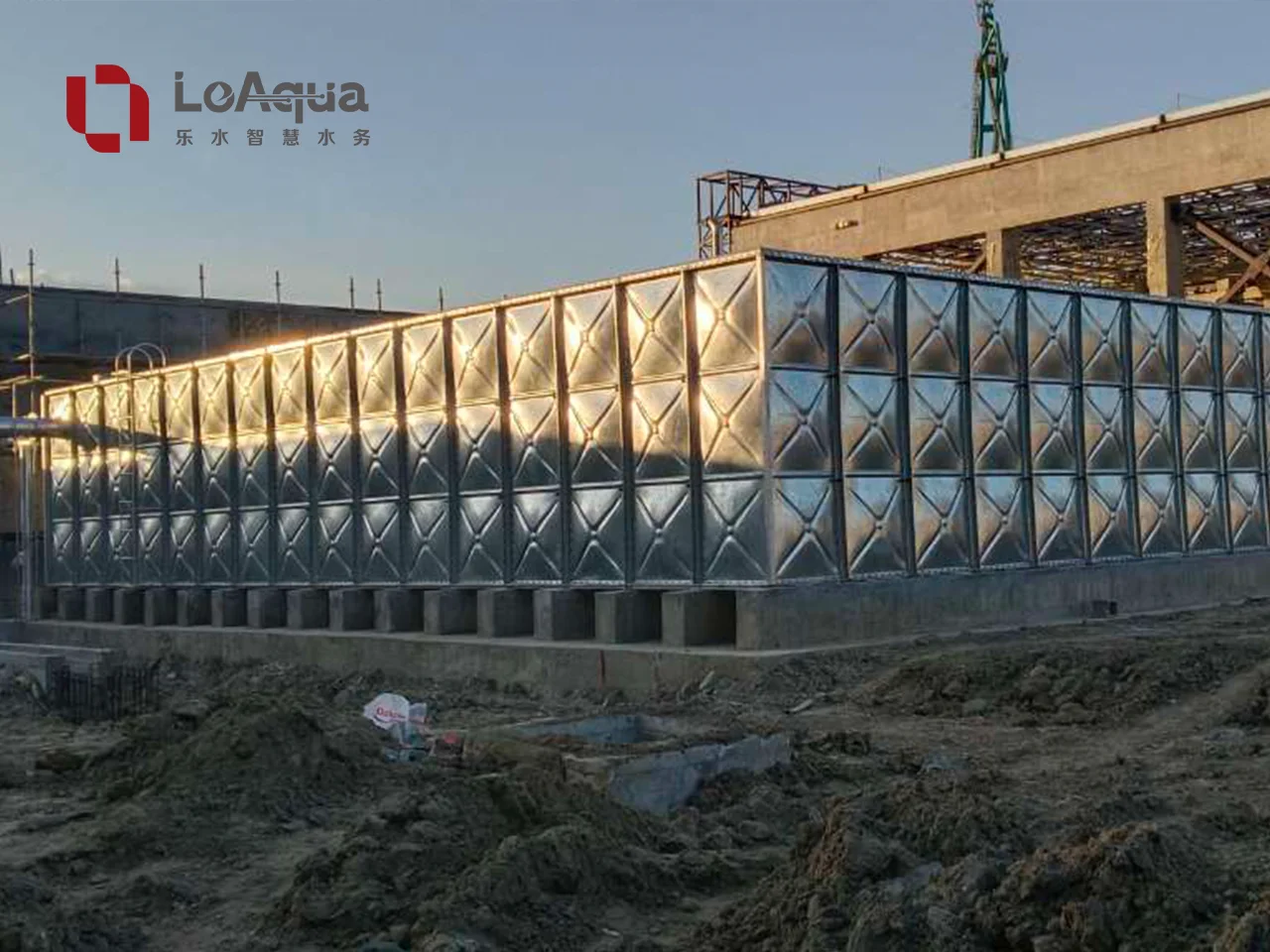
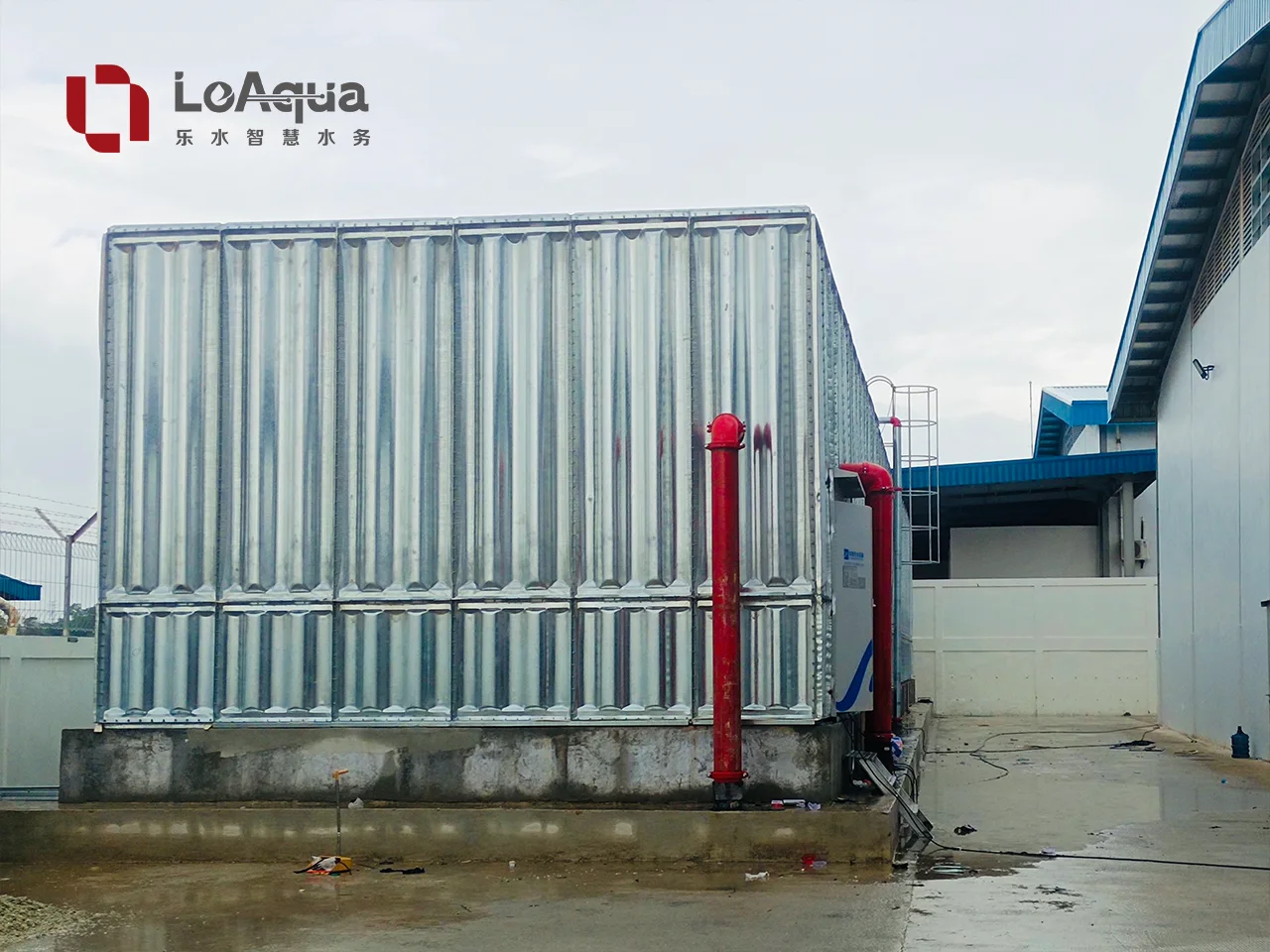
Stainless steel water tanks continue to be selected across many applications because they support practical implementation and long-term usability.
Long-Term Performance Drives Selection
Project teams increasingly consider lifecycle outcomes.
Typical evaluation factors include:
- Reliability
- Maintenance planning
- Inspection access
- Future compatibility
- Infrastructure value
This shift has changed the way water storage decisions are made.
Modular Concepts Continue to Grow
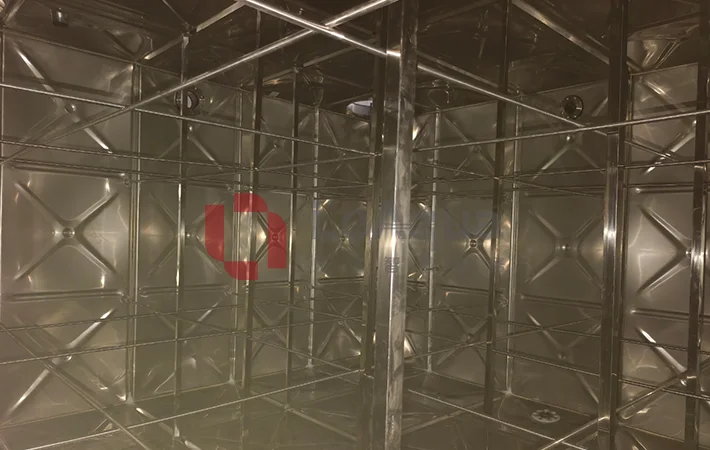
Many modern water storage projects now incorporate modular design principles.
Modular approaches may help support:
- Installation flexibility
- Capacity planning
- Operational adaptability
LeAqua stainless steel water tank systems are developed with attention to long-term infrastructure performance and evolving project requirements.
Conclusion
Although users increasingly search using simplified phrases such as stainless water tank, long-term project success still depends on selecting solutions based on operational needs and infrastructure goals.
Stainless steel water tanks continue to support modern water storage through reliability, flexibility, and practical engineering.