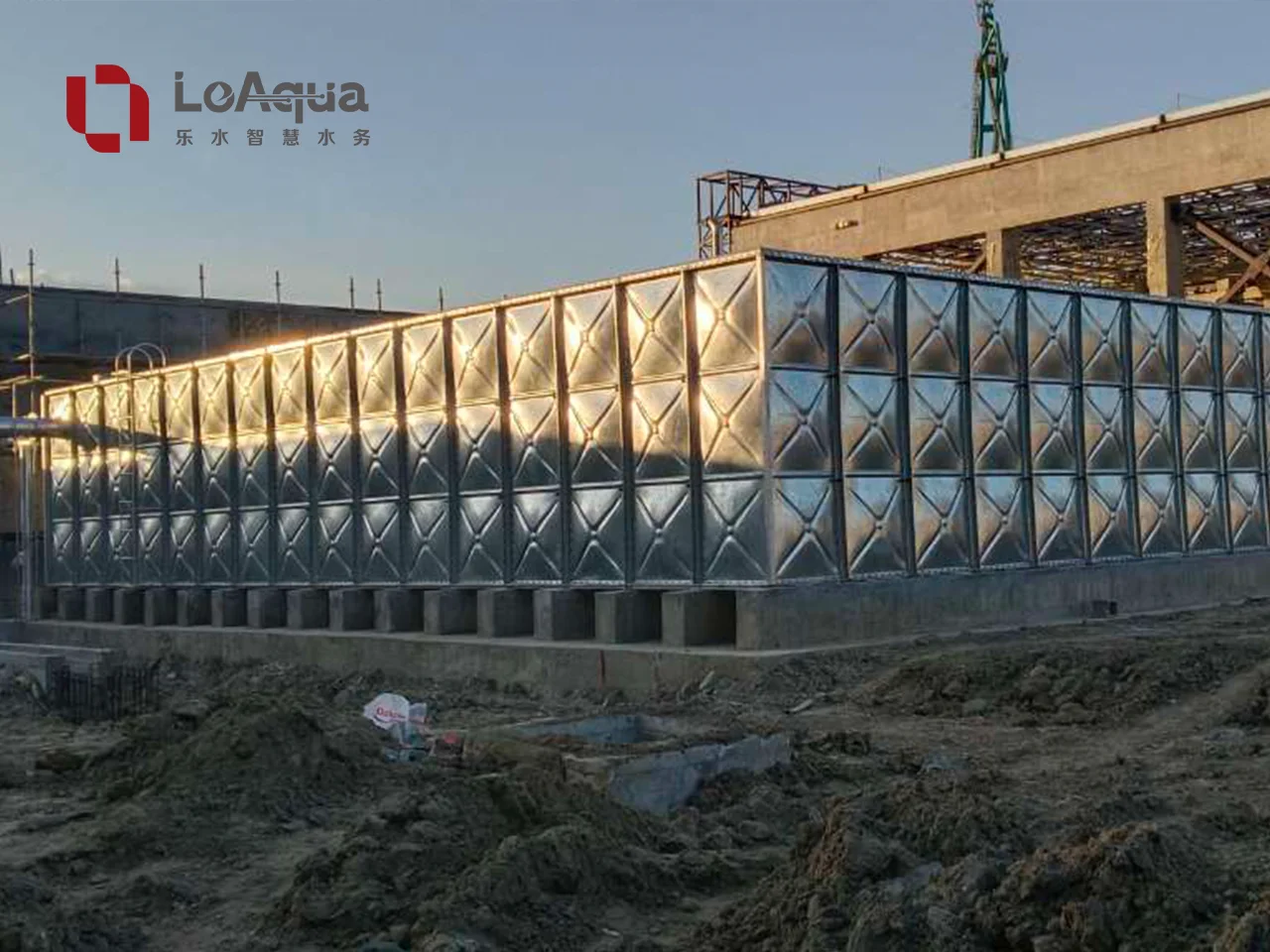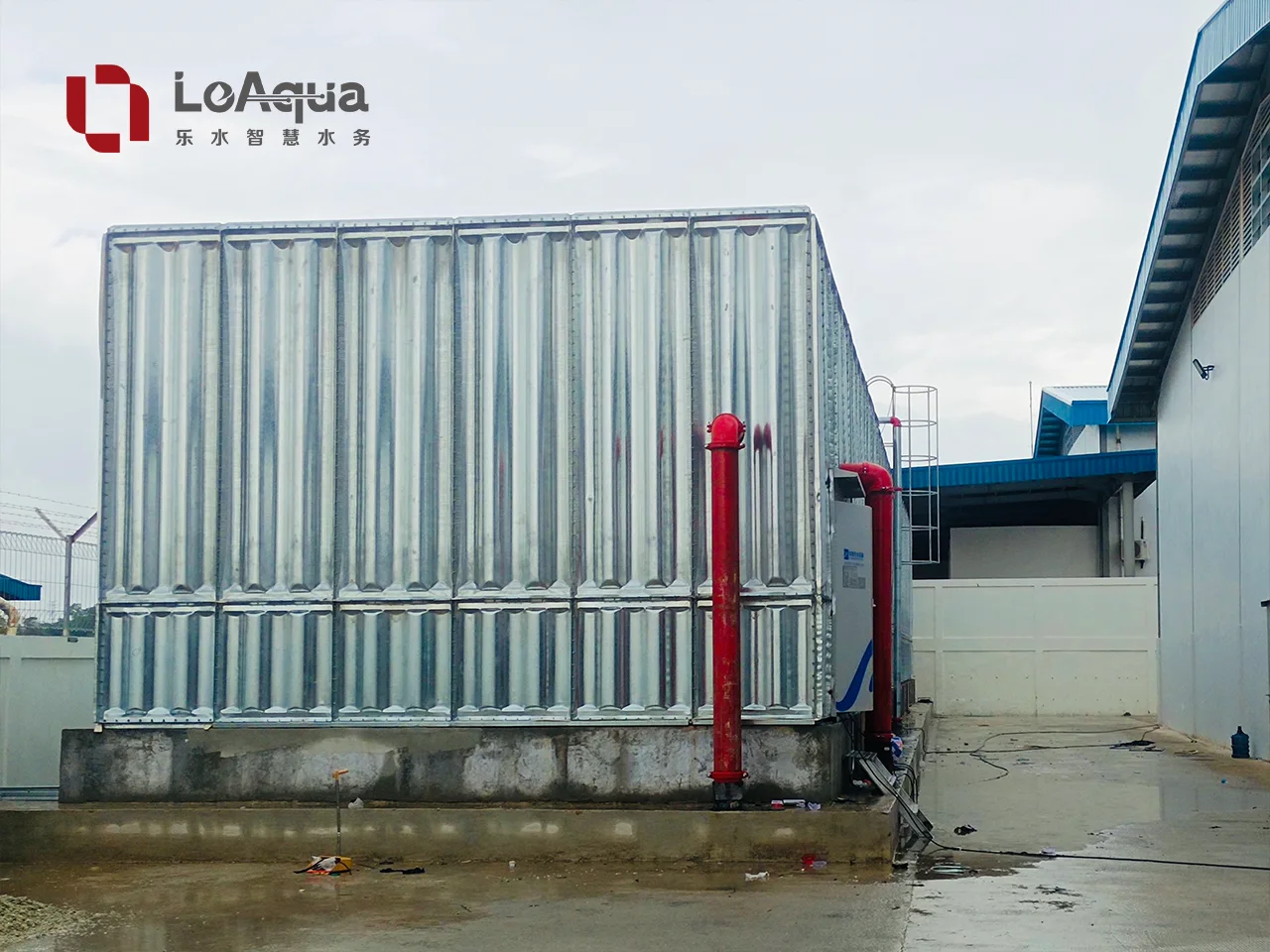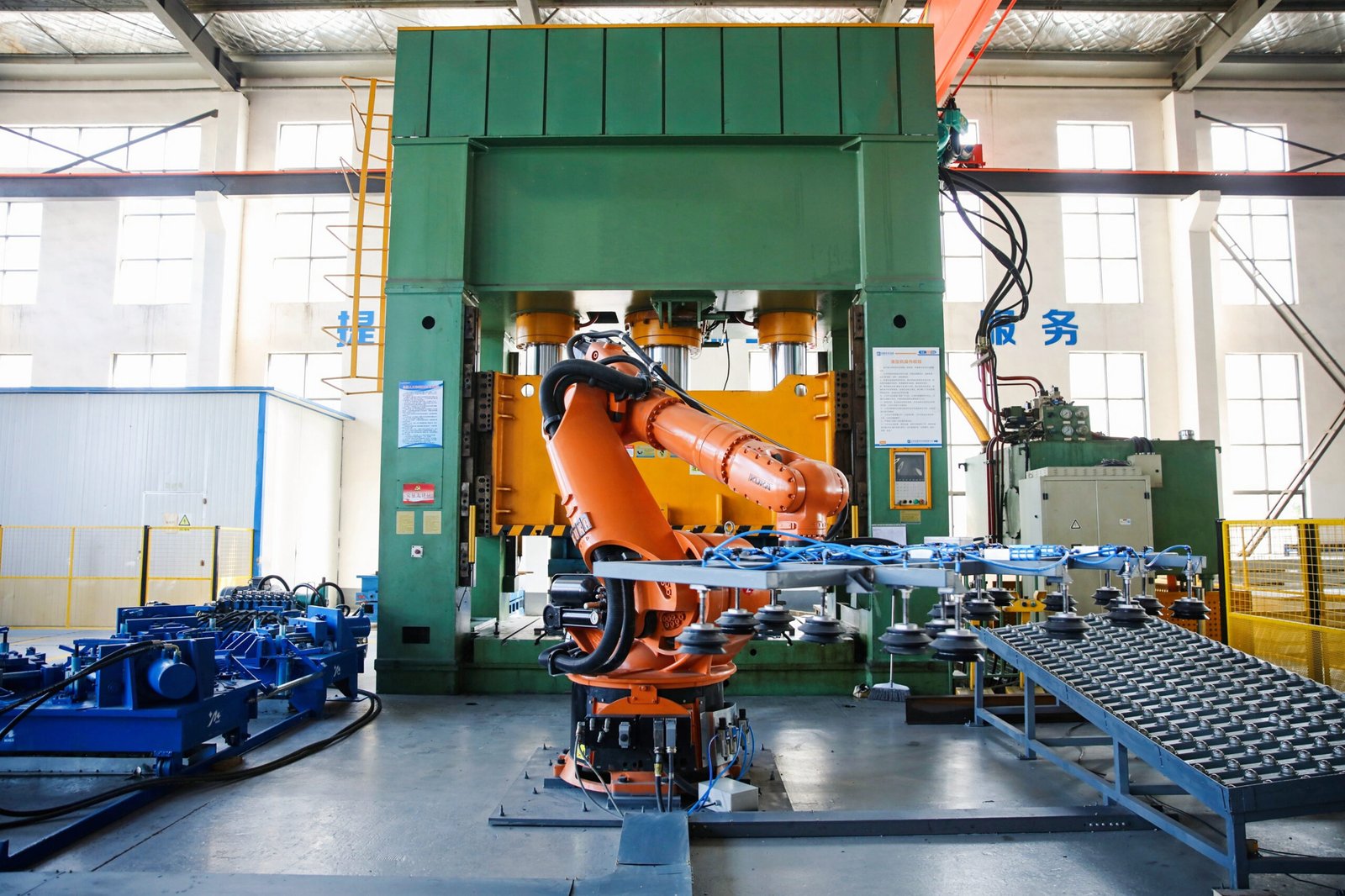
As water storage technologies continue to evolve, modular and bolted tank systems have become increasingly common across commercial and municipal projects. However, welded water tanks continue to play an important role in many specialized applications where customized dimensions, integrated structures, or unique site conditions are required.
For engineers and project owners, selecting the right water storage solution is not simply about choosing a tank—it is about matching the design to the operational requirements of the project.
LeAqua understands that different projects require different engineering approaches. While modular systems provide flexibility, welded water tanks remain a valuable option for applications that demand customized configurations and long-term structural performance.
What Is a Welded Water Tank?
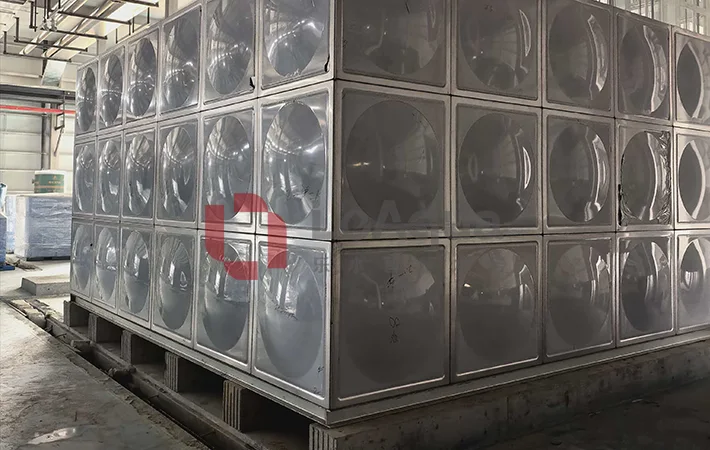
A welded water tank is manufactured by joining steel or stainless steel plates through welding processes to create an integrated storage structure.
Unlike modular panel tanks, which are assembled from multiple prefabricated sections, welded tanks are designed as a continuous structure based on project-specific requirements.
This allows engineers to develop storage solutions tailored to:
-
Site constraints
-
Equipment integration
-
Process requirements
-
Special operational conditions
For certain industrial and infrastructure projects, this level of customization can be particularly valuable.
The Importance of Custom Design
Not all projects fit standard dimensions.
Industrial facilities often require tanks that integrate with:
-
Process equipment
-
Treatment systems
-
Utility networks
-
Existing infrastructure
In these situations, a welded tank may allow greater design freedom because dimensions and configurations can be adapted to project requirements.
This flexibility helps engineers optimize available space while maintaining operational efficiency.
Structural Integrity for Demanding Environments
Water storage systems are expected to operate reliably for many years.
Whether used for process water, utility water, or emergency reserve storage, the tank structure must withstand:
-
Continuous water pressure
-
Environmental exposure
-
Operational loads
-
Long-term service conditions
When properly engineered and manufactured, welded stainless steel water tanks can provide dependable performance across a wide range of applications.
Material quality, welding procedures, and structural design all contribute to long-term reliability.
Applications Beyond Traditional Water Storage
Welded water tanks are frequently used in projects where water storage is only one component of a larger operational system.
Examples include:
-
Industrial manufacturing facilities
-
Water treatment plants
-
Utility infrastructure
-
Energy projects
-
Specialized process applications
Their ability to be engineered around unique project requirements makes them suitable for environments where standard configurations may not be ideal.
Supporting Modern Monitoring Systems
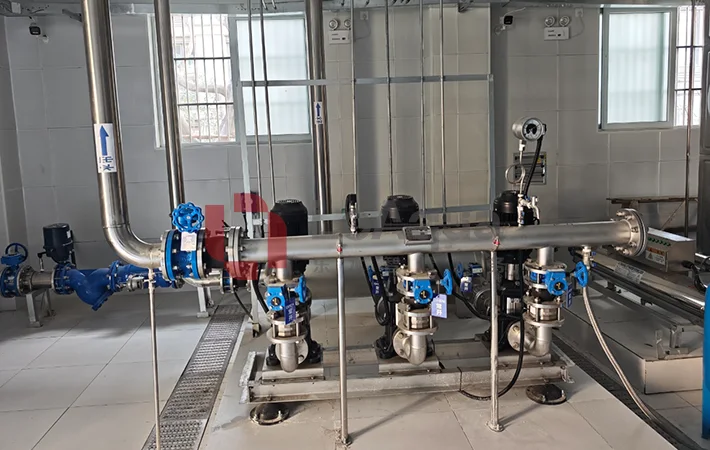
Today’s water storage infrastructure increasingly relies on digital monitoring and automation.
Modern welded water tank systems can integrate with:
-
Water level sensors
-
Pressure monitoring equipment
-
Automated controls
-
Remote management platforms
This allows operators to maintain greater visibility and improve long-term maintenance planning.
Conclusion
Although modular systems continue to expand across many sectors, welded water tanks remain an important solution for specialized projects requiring customized engineering and integrated design.
LeAqua supports modern infrastructure development by providing water storage solutions that prioritize reliability, durability, and project-specific performance requirements.