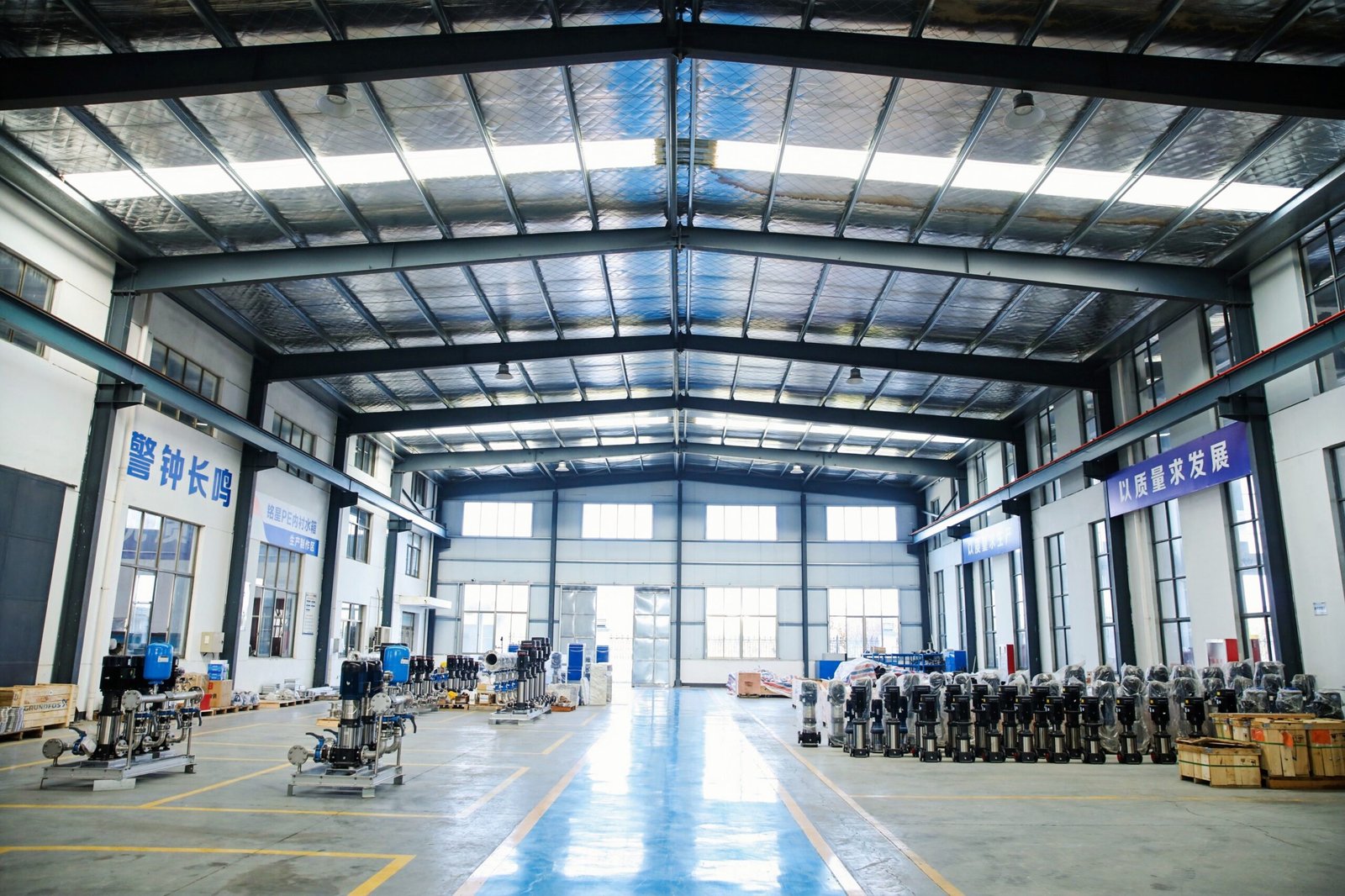
When selecting a water storage solution, many project owners initially compare purchase prices. However, experienced engineers know that the true value of a water tank is determined by its performance over many years of operation.
Two of the most common options available today are stainless steel water tanks and plastic water tanks. Both serve important roles in water storage, but they are often designed for different applications and project requirements.
Understanding these differences can help facility owners make more informed decisions.
Understanding the Two Tank Types
Plastic water tanks are commonly manufactured from polyethylene or similar polymer materials. They are widely used in residential applications, agricultural projects, and smaller-scale water storage systems.
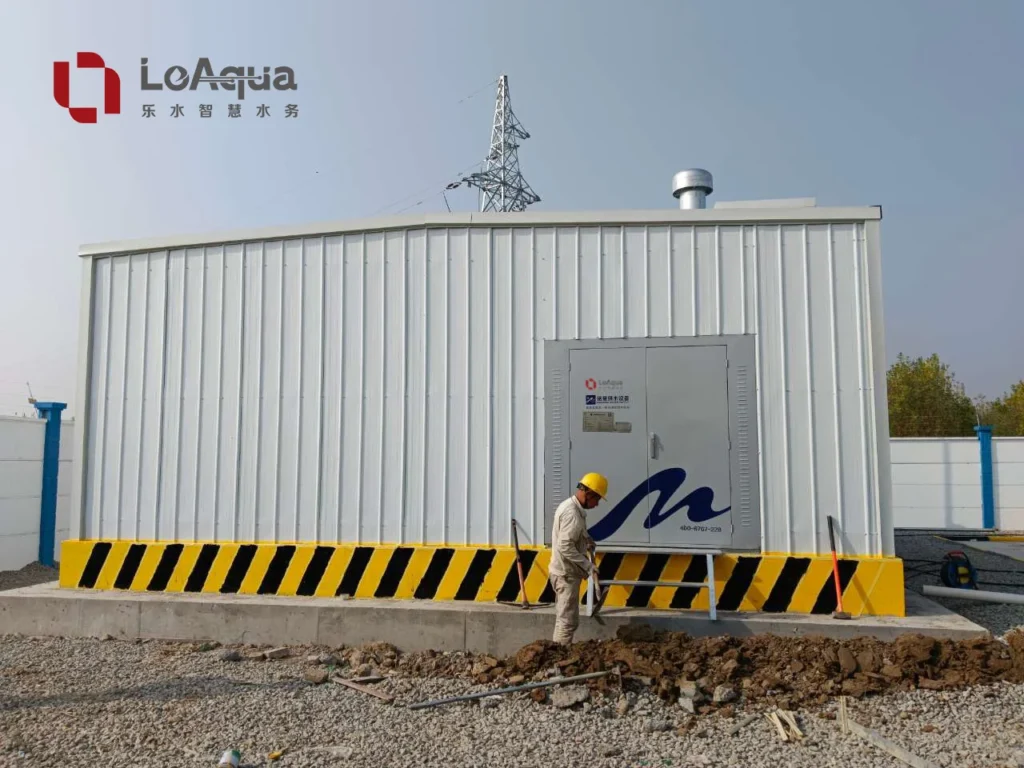
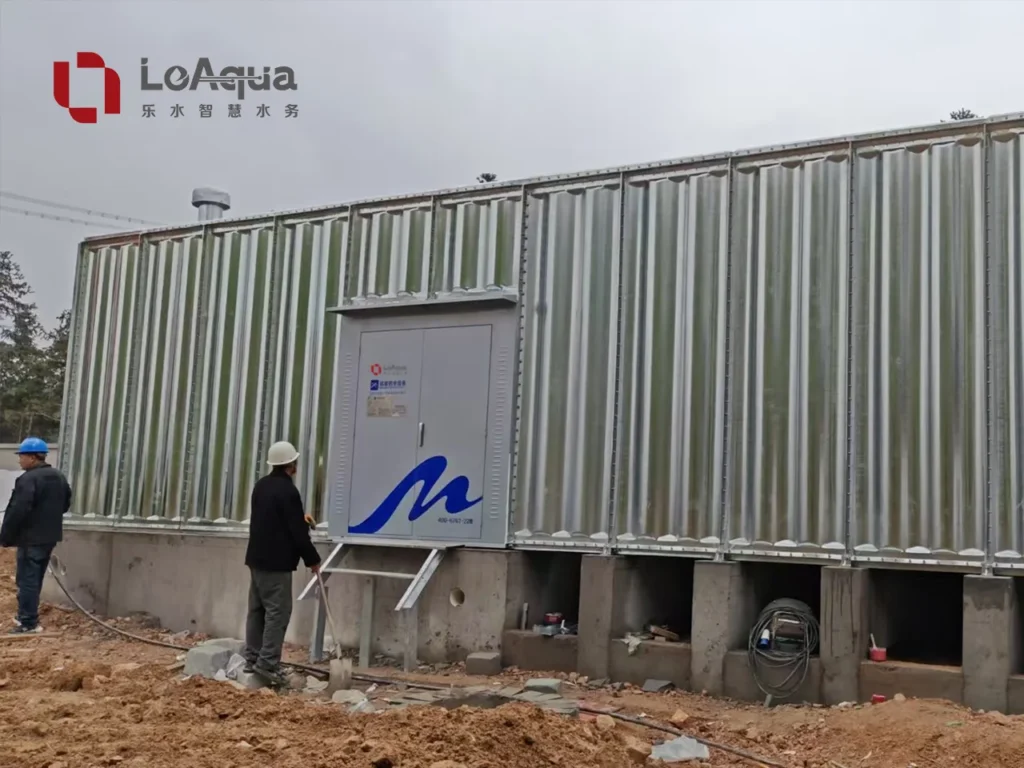
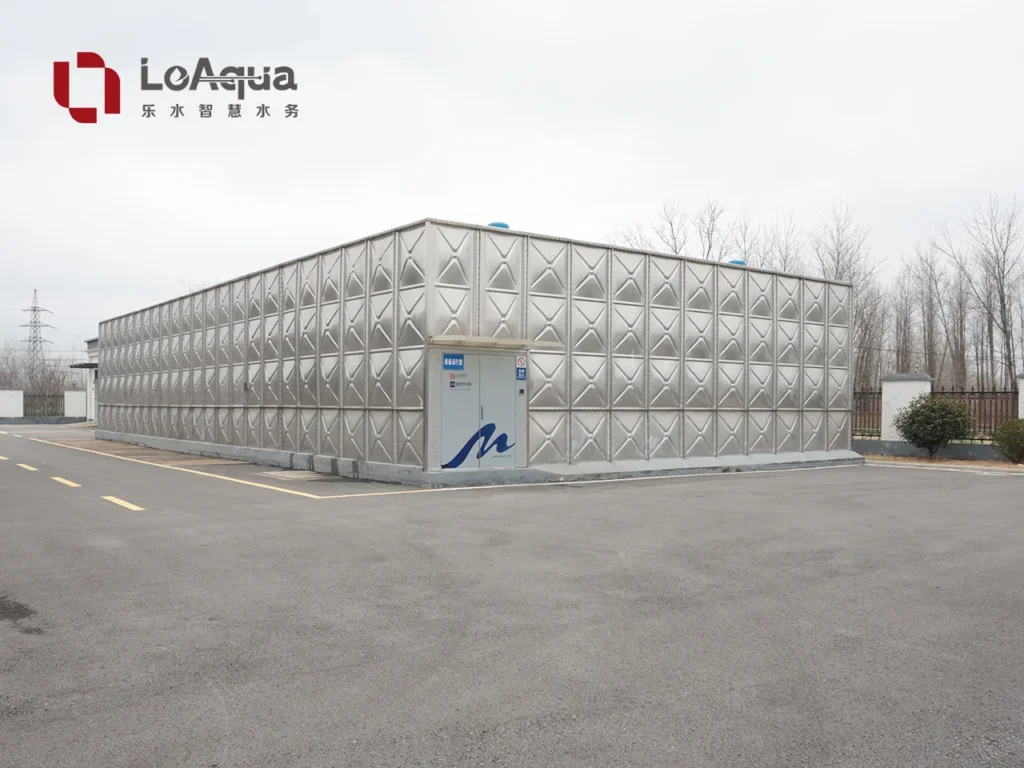
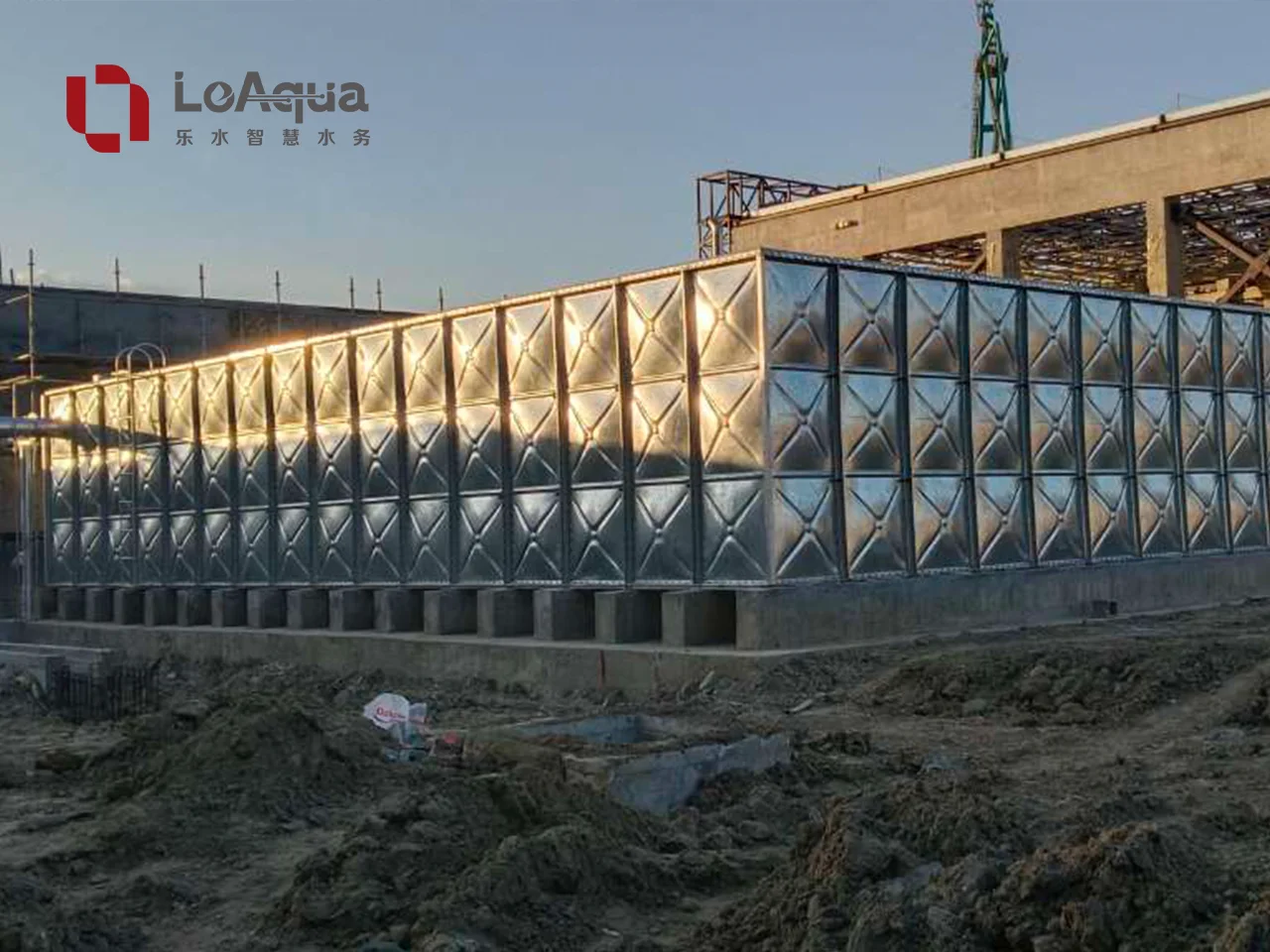
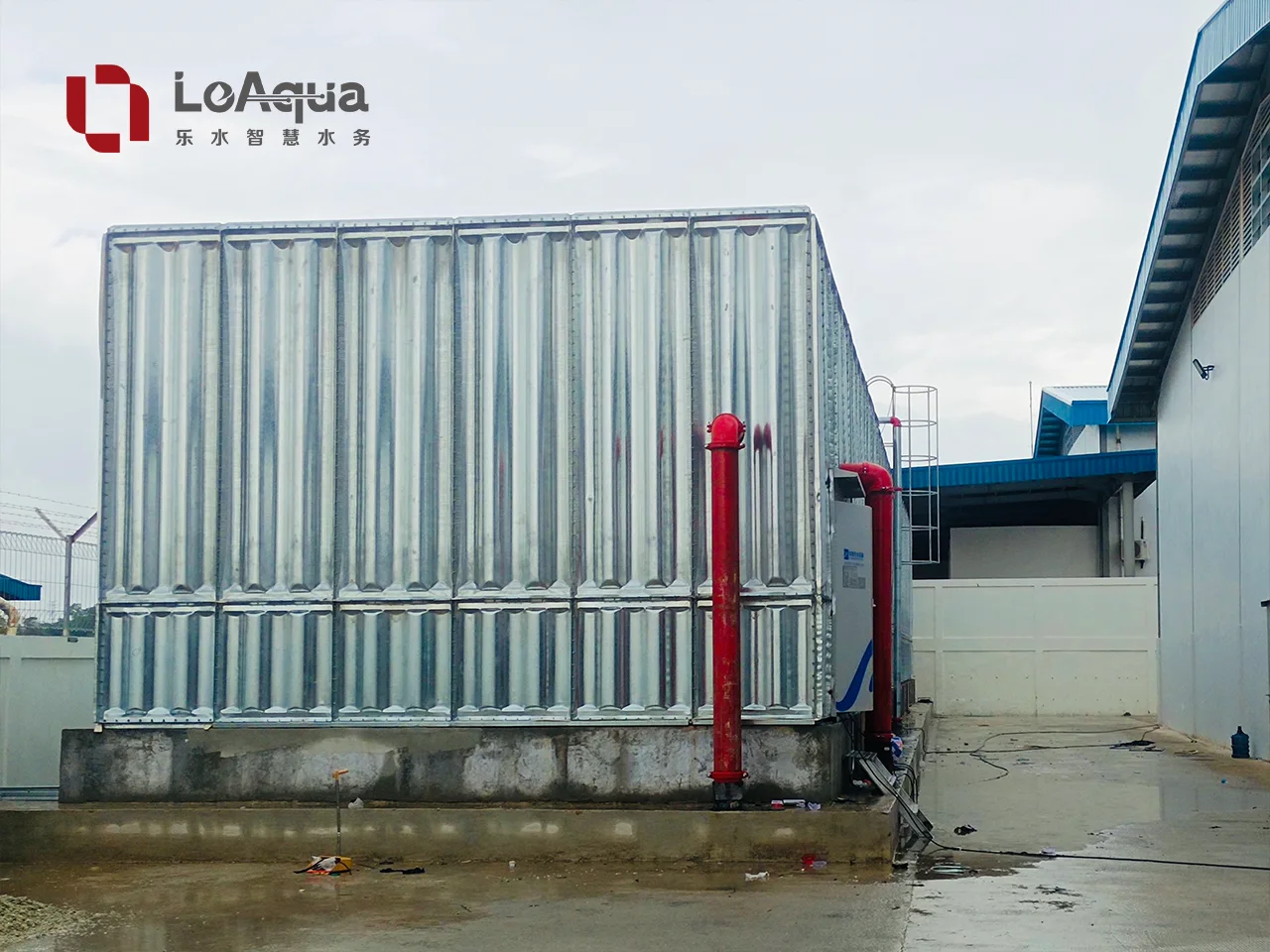
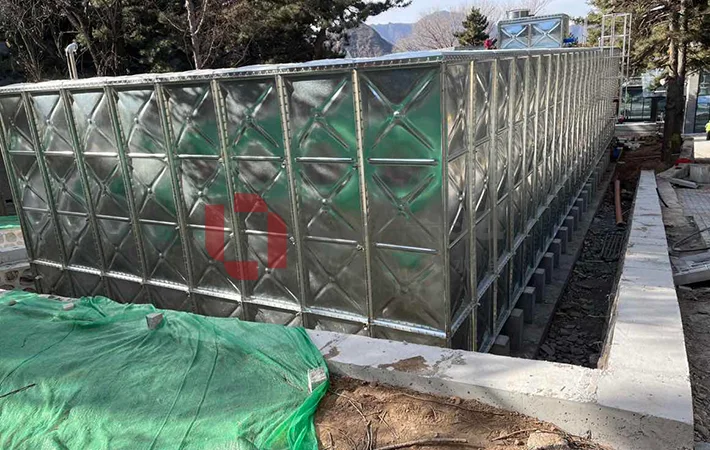
Stainless steel water tanks are typically used in commercial buildings, municipal infrastructure, industrial facilities, hospitals, hotels, and integrated water supply systems.
The choice between the two often depends on the project’s scale, operational requirements, and expected service life.
Durability Over Time
One of the biggest differences between the two solutions is long-term durability.
Plastic tanks perform well in many environments, particularly for smaller applications. However, factors such as prolonged UV exposure, temperature variations, and physical impacts may influence long-term performance depending on installation conditions.
Stainless steel water tanks are often selected for projects where durability is a primary consideration. Their structural strength allows them to support larger storage capacities and more demanding operating environments.
For projects expected to remain in service for decades, durability often becomes a key factor in decision-making.
Capacity and Scalability
As water demand increases, scalability becomes increasingly important.
Plastic tanks are typically manufactured in predefined sizes. While multiple tanks can be connected together, large-scale storage projects may require extensive planning and additional installation space.
Modular stainless steel water tanks offer greater flexibility for customized capacities and project-specific configurations.
This makes them suitable for:
- Commercial developments
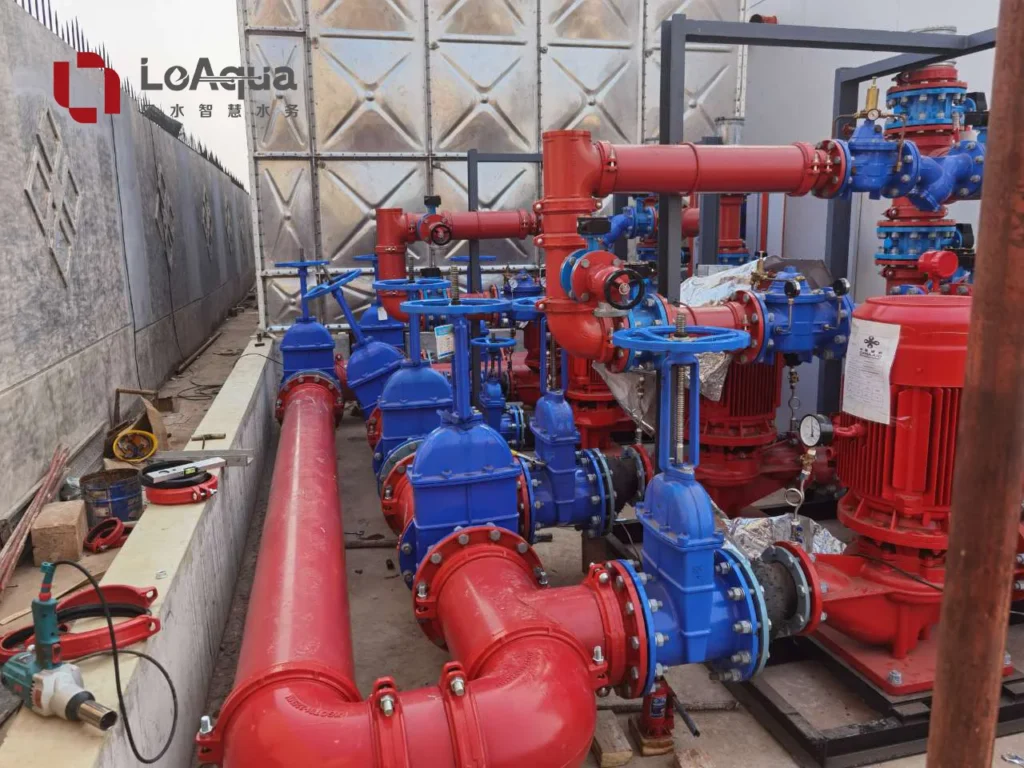
- Fire protection systems
- Municipal infrastructure
- Industrial facilities
where storage requirements may evolve over time.
Maintenance Considerations
Maintenance requirements vary depending on the operating environment and application.
For smaller installations, plastic tanks may offer a straightforward solution.
For larger facilities where water quality management and long-term reliability are priorities, stainless steel water tanks are often preferred because of their durability and structural stability.
Project owners frequently evaluate maintenance costs over the entire service life rather than focusing solely on the initial purchase price.
Which Option Is Right for Your Project?
There is no universal answer.
Plastic tanks can be an effective solution for many residential and light-duty applications.
Stainless steel water tanks are often chosen for larger projects where long-term performance, scalability, and infrastructure reliability are critical requirements.
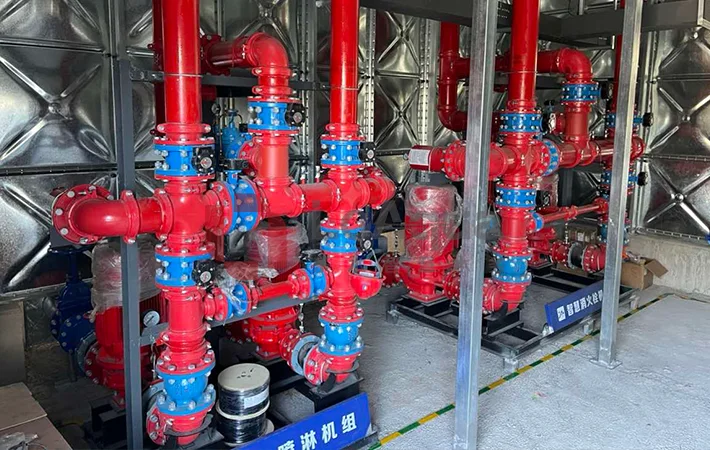
LeAqua Stainless Steel Water Tanks are designed to support commercial, industrial, municipal, and fire protection applications requiring dependable long-term water storage.
Conclusion
The decision between a stainless steel water tank and a plastic tank should be based on project goals, expected service life, storage capacity, and operational requirements.
For projects focused on long-term infrastructure performance, stainless steel water tanks continue to be one of the most trusted solutions available.